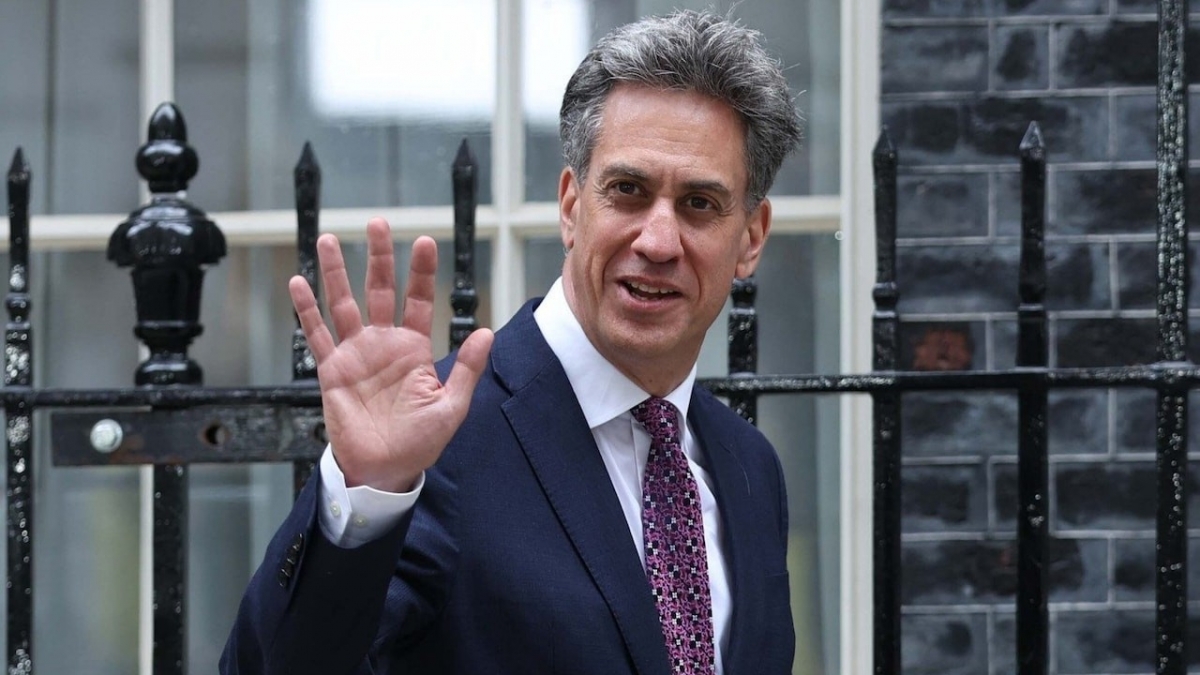
UK Foreign Secretary David Lammy faces a delicate diplomatic balancing act as the Labour government recalibrates its post-Brexit international strategy, moving away from the previous administration’s “Global Britain” framework toward a pragmatic approach rooted in European security and pragmatic trade alignments. Following the Labour Party’s general election victory, British foreign policy is undergoing a structured assessment to address economic pressures and shifting geopolitical alliances across Europe and the Indo-Pacific, according to government policy papers and statements from Whitehall.
The strategic shift addresses the limitations experienced by London since its departure from the European Union. While the previous branding emphasized independent global outreach, current diplomatic initiatives focus on rebuilding institutional ties with continental neighbors without reversing Brexit. Foreign policy analysts note that this transition requires careful management to maintain domestic political stability while reassuring international partners of the United Kingdom’s long-term commitments to NATO, European defense frameworks, and international law.
For global readers, understanding this recalibration provides essential insight into how the world’s major economies navigate post-pandemic trade realities and regional security concerns. This piece examines the core policy adjustments, the diplomatic challenges ahead, and the specific multilateral engagements shaping Britain’s foreign agenda under the current administration.
Shifting Away from Post-Brexit Rhetoric Toward Institutional Pragmatism
The “Global Britain” strategy, launched following the 2016 referendum and formalized through successive Conservative administrations, relied heavily on bilateral trade deals outside the European Union and an increased diplomatic and military posture in the Indo-Pacific. However, independent reviews by economic institutions highlighted that the anticipated trade agreements produced modest gross domestic product gains compared to the friction introduced at the European border, as documented by the UK in a Changing Europe research initiative.
Under the current foreign policy leadership, Whitehall is prioritizing structured cooperation with European Union member states on critical issues such as energy security, intelligence sharing, and defense procurement. This pragmatic alignment does not signal a return to the single market or customs union, but rather a functional approach to shared continental challenges. Officials emphasize that cooperation with Brussels remains vital for addressing irregular migration, cyber threats, and supply chain vulnerabilities that affect the entire region.
Diplomatic channels between London and major European capitals have seen increased high-level visits aimed at establishing a formal security pact. According to briefings provided by the Foreign, Commonwealth & Development Office, these discussions center on creating structured dialogue mechanisms that bypass traditional post-Brexit stalemates by focusing strictly on operational security and defense manufacturing partnerships.
Managing Transatlantic Relations and Indo-Pacific Commitments
Balancing European reintegration with existing global commitments presents a distinct test for British diplomats. The AUKUS security pact involving Australia, the United Kingdom, and the United States remains a cornerstone of British defense strategy in the Indo-Pacific. Defense officials have confirmed that commitments to the submarine development program and regional freedom of navigation exercises will continue unabated, ensuring continuity with Washington and Canberra.
At the same time, maintaining a constructive relationship with the United States requires navigating shifting domestic political priorities in Washington. British diplomats engage regularly with both congressional and executive branch officials to ensure that European security remains a shared priority, particularly regarding support for Ukraine. The Department of Defense and foreign service personnel work closely to align sanctions enforcement and military aid packages, reinforcing the transatlantic alliance even as economic competition increases.
Trade policy serves as another arena requiring careful navigation. While the pursuit of comprehensive free trade agreements with nations outside the West remains active, negotiators are placing greater emphasis on targeted sector-specific agreements, particularly in green technology, critical minerals, and artificial intelligence regulation. These focused pacts allow the UK to secure essential supply chains without overextending administrative resources on broad bilateral negotiations that yield limited economic return.
Key Domestic and International Stakeholders Affected
The recalibration of British foreign policy directly impacts several key sectors within the domestic economy and international partners:
- British Exporters and Manufacturers: Businesses trading with the European Union stand to benefit from reduced administrative friction if proposed regulatory alignment and veterinary agreements are successfully negotiated.
- Defense Contractors: Firms involved in aerospace and maritime engineering retain robust funding streams through the AUKUS agreement and European joint defense initiatives, though procurement priorities may shift toward rapid-deployment technologies.
- European Union Member States: Continental capitals view the UK’s renewed willingness to institutionalize security cooperation as a stabilizing factor in regional defense, particularly in the face of ongoing geopolitical instability in Eastern Europe.
- Indo-Pacific Partners: Nations such as Japan and Australia monitor British resource allocation closely to ensure that London’s renewed focus on European security does not diminish its diplomatic and maritime presence in Asian trade corridors.
Next Steps in the Diplomatic Calendar
The coming months will feature several critical checkpoints as the foreign ministry operationalizes its updated strategic guidelines. The upcoming European Political Community summit will serve as the primary venue for formalizing bilateral security arrangements with continental partners. Concurrently, parliamentary committees in Westminster are scheduled to review ongoing defense spending allocations and trade performance metrics to measure the practical outcomes of the government’s foreign policy adjustments.
Readers and researchers seeking official documentation, policy papers, and real-time updates on these diplomatic developments can consult the public registers maintained by the UK Government Foreign Office. Stakeholders are encouraged to share their perspectives or join the discussion in the comments section below.
Related reading
- VOTATU Tactical Optics, Laser Sights & Weapon Accessories
- Flock AI Surveillance Cameras: Privacy Concerns, Safety Risks, and Growing Public Backlash
- Samsung Unveils Galaxy Z Fold 8, Z Fold 8 Ultra and Z Flip 8 in London (archyworldys.com)
- South Korea’s Plans for AI City Strategy: Development of Basic Plan for Jeollanam Province (world-today-news.com)