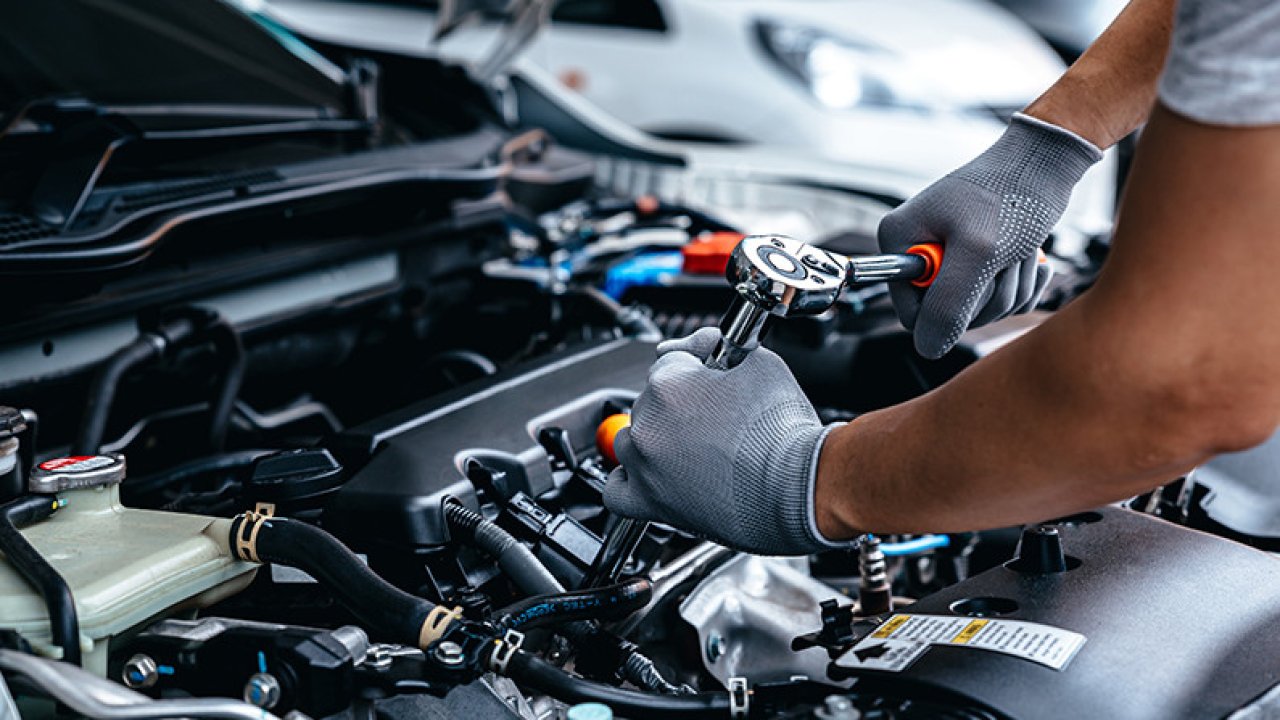
Automotive mechanics and independent technical experts have increasingly turned their focus toward evaluating long-term powertrain durability, identifying the best and worst gasoline engines that have reached the global used car market. According to recent technical surveys and automotive maintenance reports, engine reliability depends heavily on proper maintenance intervals, oil change frequency, and inherent engineering design. Drivers navigating the secondary vehicle market face stark contrasts between legacy powerplants engineered for longevity and modern turbocharged units plagued by recurring mechanical vulnerabilities.
Understanding which internal combustion powerplants stand the test of time requires looking past initial horsepower figures and examining real-world failure rates. Automotive technicians across Europe and international markets consistently point to specific manufacturing eras and design choices that separate durable powertrains from costly garage fixtures. For car buyers, fleet managers, and enthusiasts alike, choosing the right block can mean the difference between trouble-free operation and catastrophic repair bills.
The Gold Standard: Most Reliable Gasoline Engines
Among naturally aspirated powerplants, several engines have earned widespread praise from mechanics for their robust metallurgy, simple architecture, and tolerance for minor maintenance delays. Industry evaluations frequently highlight older four-cylinder and six-cylinder designs from Japanese and European manufacturers as benchmarks of mechanical endurance. For instance, naturally aspirated units such as Toyota’s AZ and ZR series, as well as certain older Honda and BMW inline-six architectures, routinely cross high mileage thresholds without requiring major overhauls.
Mechanics emphasize that these reliable engines typically feature timing chains that withstand extensive wear, straightforward fuel injection systems, and cast-iron or well-reinforced aluminum engine blocks. Proper lubrication remains the primary requirement; when serviced with quality synthetic oil at recommended intervals, these blocks often outlast the vehicle’s chassis. Buyers seeking dependable daily transportation frequently target these proven mechanical configurations on the used market.
Engineering Pitfalls: The Worst Gasoline Engines to Avoid
Conversely, technical specialists warn against specific modern powertrains burdened by excessive complexity, aggressive emissions equipment, and poorly designed components. Downsized turbocharged engines—often developed to meet stringent fuel economy standards—frequently suffer from premature timing chain stretch, oil consumption issues, and carbon buildup on intake valves due to direct injection.
Certain European and domestic powerplants from the 2010s have gained notoriety in repair shops for recurring cooling system failures, cracked pistons, and turbocharger oil feed blockages. Mechanics note that fixing these design flaws often exceeds the total market value of an older vehicle. Consequently, independent service centers advise prospective buyers to thoroughly research specific engine codes before purchasing used vehicles equipped with high-stress, small-displacement turbocharged units.
Key Maintenance Factors That Determine Engine Lifespan
Even the most celebrated gasoline engines can fail prematurely without rigorous adherence to maintenance schedules. Modern lubricants degrade under extreme operating temperatures, making frequent oil changes essential for preventing sludge buildup and protecting critical components like turbochargers and variable valve timing actuators.
- Adhering to strict oil change intervals—often every 10,000 kilometers or sooner for direct-injection and turbocharged engines.
- Using manufacturer-approved fluid specifications to prevent premature wear on seals and bearings.
- Inspecting cooling systems regularly to avoid catastrophic overheating events that warp aluminum cylinder heads.
- Monitoring oil consumption between services to catch piston ring or valve seal degradation early.
Technical advisors recommend that used car buyers request comprehensive service records rather than relying solely on odometer readings. A well-maintained engine with higher mileage often represents a safer investment than a neglected low-mileage vehicle plagued by deferred maintenance.
What Lies Ahead for Used Car Buyers
As automotive markets continue shifting toward electrification, the availability of reliable internal combustion engines remains a critical concern for budget-conscious motorists. Industry analysts and technical groups will continue releasing long-term reliability updates as newer powertrains accumulate high-mileage data on public roads. Prospective buyers should consult independent mechanical evaluations and verified maintenance databases before finalizing any vehicle purchase. Share your thoughts on these engine reliability rankings in the comments below, or join the discussion on our community forums for more automotive insights.