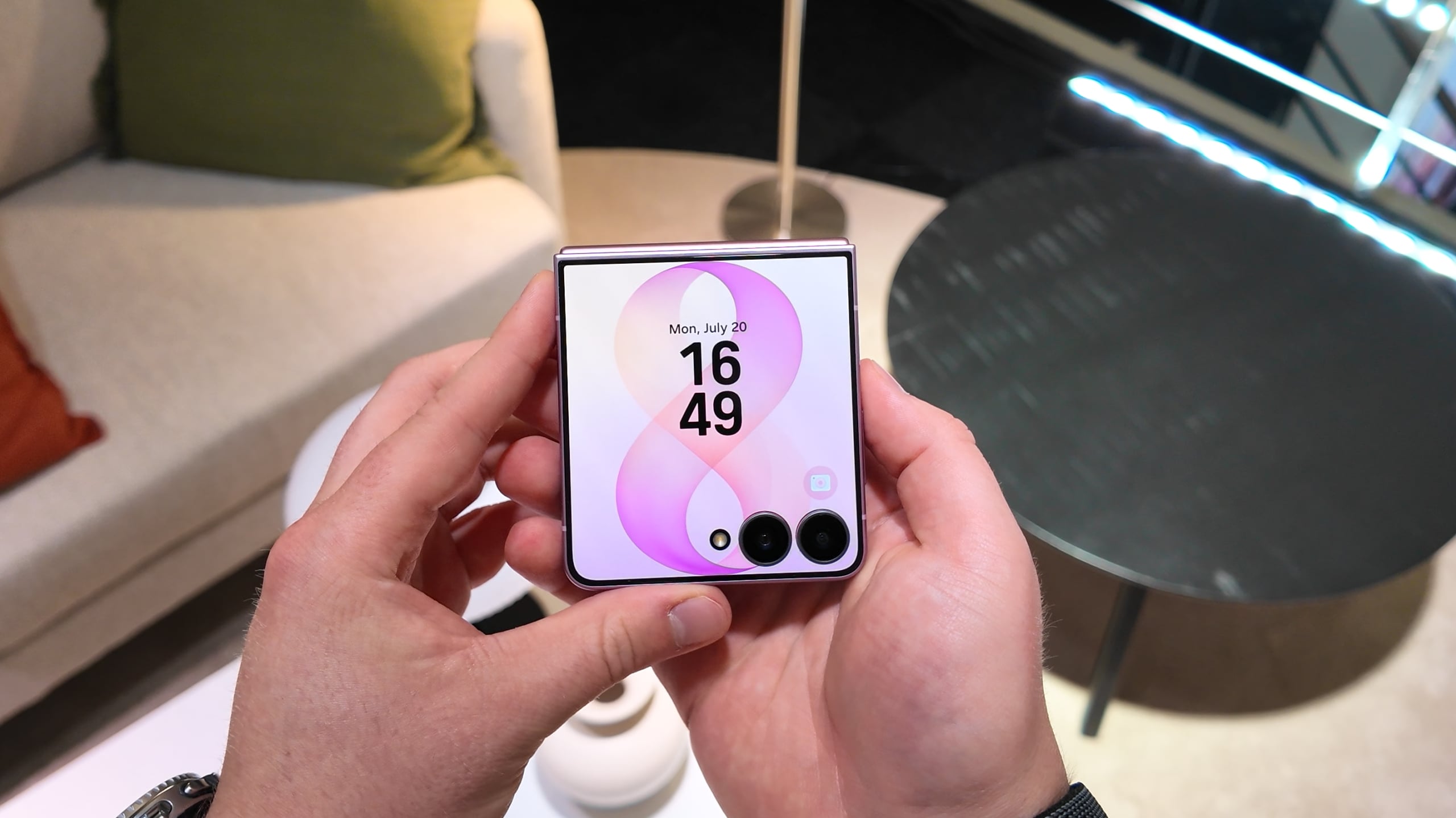
Gen Z smartphone preferences in the United States continue to lean heavily toward Apple, leaving Android manufacturers searching for effective ways to capture younger buyers. According to a fall 2025 survey by Piper Sandler of 10,969 teens with an average age of 15.7 years, 87 percent of respondents own an iPhone, highlighting a stubborn brand loyalty that has persisted despite years of hardware and design innovations from competitors like Samsung.
The dominance of Apple among users under 25 is deeply rooted in software ecosystem habits. For this demographic, iMessage serves as the primary social layer for friendships, creating a dynamic where platform-exclusive features like read receipts and typing indicators often define social inclusion. Industry analysts note that this early-stage brand affinity becomes increasingly difficult to disrupt as users grow older.
Samsung has spent years attempting to crack this demographic lock, leveraging nostalgia, distinct form factors, and novel cover-screen capabilities. The company’s clamshell foldables, including the Galaxy Z Flip series, were designed precisely to appeal to a younger, design-conscious audience. Yet, despite iterations aimed at social-first interactions, market data shows that preference for iOS has only climbed from 85 percent in a comparable 2024 survey.
The Pricing Challenge of the Galaxy Z Flip 8
Samsung’s latest entry-level foldable strategy faces a steep uphill battle regarding cost. According to retail tracking and industry announcements, the Galaxy Z Flip 8 starts at $1,199, marking a $100 price increase over the previous generation Galaxy Z Flip 7. This positions the device $100 above the base iPhone 17 Pro while matching the starting price of the base iPhone 17 Pro Max.
For that extra $100 investment, buyers receive a thinner and lighter chassis, the Snapdragon 8 Elite Gen 5 chipset for models sold in the United States, and updated cover-screen software features. However, core specifications such as camera hardware and battery charging speeds have remained largely unchanged from the previous iteration, raising questions about the device’s value proposition for skeptical buyers who are already embedded in rival ecosystems.
Ecosystem Lock-In and Future Market Pressures
The persistence of the green bubble phenomenon as a subtle form of social friction among teenagers has been well-documented by consumer tech analysts. Because many Gen Z consumers have exclusively owned Apple devices throughout their formative years, transitioning to an Android foldable requires abandoning familiar social tools rather than simply switching hardware brands.
Compounding the challenge for Samsung is the prospect of future competition within the foldable market itself. While Samsung currently enjoys a dominant position in the clamshell foldable space due to a lack of direct rivals, industry watchers anticipate that Apple may eventually introduce its own foldable devices. Should Apple enter the segment, analysts suggest that the novelty and nostalgia factors that currently draw attention to the Galaxy Z Flip line could face severe pressure.
What Happens Next
As retail sales for the Galaxy Z Flip 8 roll out across carrier stores, attention turns to upcoming quarterly financial reports and consumer research updates from firms like Piper Sandler to monitor whether hardware refinements can alter youth market share. Industry observers will track upcoming carrier promotions and competitive device launches throughout the fiscal year to gauge any shifts in long-term smartphone loyalty trends.
We welcome your thoughts on how hardware manufacturers can address ecosystem loyalty. Please share your perspective in the comments below.
Worth a look