
Former United States President Donald Trump held separate diplomatic meetings with Ukrainian President Volodymyr Zelensky and Israeli Prime Minister Benjamin Netanyahu, coming as both the war in Ukraine and regional conflicts in the Middle East experience significant military escalations. The high-profile engagements underscore ongoing international focus on US foreign policy directions as leadership in Washington navigates intensifying geopolitical friction across Eastern Europe and the Middle East.
The diplomatic flurry unfolded across multiple high-level venues, drawing intense scrutiny from international observers tracking shifting alliances and military aid commitments. According to reporting from Reuters, these discussions center heavily on defense logistics, ongoing supply constraints, and potential diplomatic frameworks aimed at curbing further escalation in active conflict zones.
Diplomatic Outreach and Strategic Stakes in Eastern Europe
Donald Trump met with Ukrainian President Volodymyr Zelensky to discuss the ongoing defense against the Russian invasion, which has stretched into its third year of full-scale warfare. Ukrainian officials have consistently emphasized the vital need for continued international military assistance and advanced air defense systems to protect civilian infrastructure against persistent missile barrages.

The discussions in Eastern Europe take place against a backdrop of intensified frontline engagements and shifting Western political calculations. As reported by the BBC, Kyiv continues to press international partners for clearance to utilize long-range weaponry against military targets deep within Russian territory, a contentious issue among Western allies wary of direct escalation.
Middle East Conflicts and Regional Escalations
Parallel to the discussions with Kyiv, Trump’s engagement with Israeli Prime Minister Benjamin Netanyahu addressed the broadening military campaigns involving Israel, Hamas, Hezbollah, and direct confrontations with Iran. According to Associated Press reports, the Middle Eastern conflict has widened significantly following recent ballistic missile exchanges and regional proxy engagements.
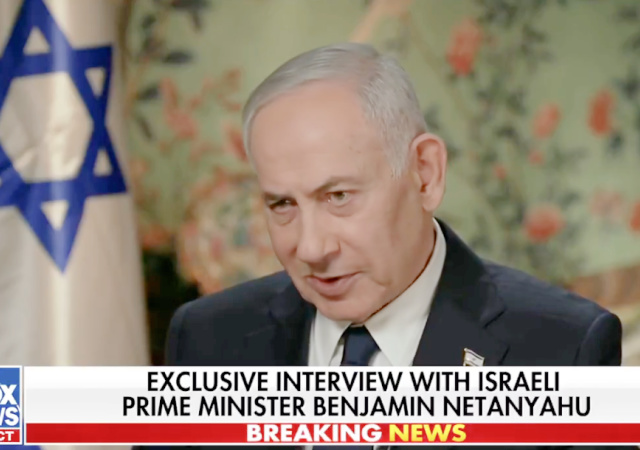
The discussions between political leaders in Washington and Jerusalem focused on security guarantees, regional intelligence sharing, and the humanitarian dimensions of the protracted conflicts in Gaza and Lebanon. International monitors note that diplomatic channels remain strained as regional actors weigh potential retaliatory strikes and broader military mobilizations.
Global Implications and Policy Responses
Foreign policy analysts suggest that these high-level diplomatic contacts reflect the complex web of security dependencies linking the European theater with Middle Eastern flashpoints. Governments worldwide are closely monitoring how future US leadership might alter military aid packages, sanctions regimes, and international coalition building.
According to updates published by the Financial Times, global markets and defense ministries have responded with heightened vigilance to the political maneuvers surrounding these ongoing conflicts, anticipating potential shifts in transatlantic security commitments.
Next Steps and Official Updates
International organizations and foreign ministries have not yet announced official joint communiqués or binding agreements resulting from these specific meetings. Observers and stakeholders await upcoming legislative sessions, parliamentary debates, and scheduled diplomatic forums where further policy declarations regarding foreign aid and defense strategies are expected to be tabled.
Keep reading
- Inert Grenade Thrown Into Philadelphia Home Triggers Bomb Squad Response
- Apalachee High School Shooting: Father Admits Providing Rifle Used by Son in Attack
- Russian Strikes Kill 13 in Ukraine, Missile Hits Poland (newsdirectory3.com)
- The Senate Blue Slip, Explained: The Custom Trump Wants Gone (daybreakwire.com)