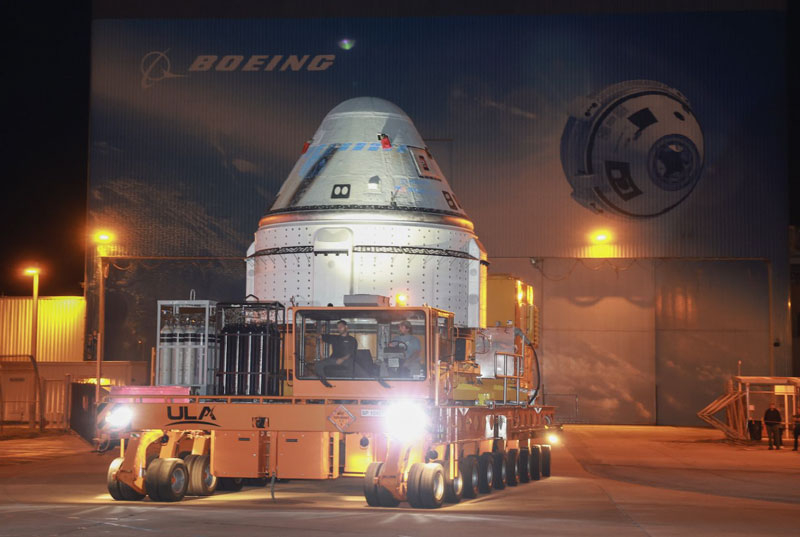
Boeing and NASA are delaying the next uncrewed flight test of the CST-100 Starliner spacecraft to the fourth quarter of 2026. The postponement follows extensive reviews of the propulsion system anomalies that stranded two astronauts on the International Space Station in 2024, compounding financial and certification setbacks for the aerospace manufacturer.
Negotiations between Boeing and NASA continue over the precise launch schedule for the upcoming uncrewed cargo mission, according to filings and reports. In a regulatory report submitted to the U.S. Securities and Exchange Commission, Boeing indicated that the unmanned flight to the International Space Station is now anticipated no earlier than the final quarter of 2026, marking a significant pushback from earlier internal timelines that targeted a 2026 flight sequence encompassing both uncrewed and crewed missions.
Propulsion System Overhauls and the 2024 Mishap Classification
The Starliner spacecraft has remained grounded since its troubled Crew Flight Test in 2024, an expedition marred by thruster malfunctions and helium leaks. During that mission, propulsion failures introduced safety risks for NASA astronauts Butch Wilmore and Suni Williams, prompting agency leadership to return the capsule to Earth without a crew. Wilmore and Williams ultimately spent approximately nine months on the orbital laboratory before returning aboard a SpaceX Crew Dragon vehicle.
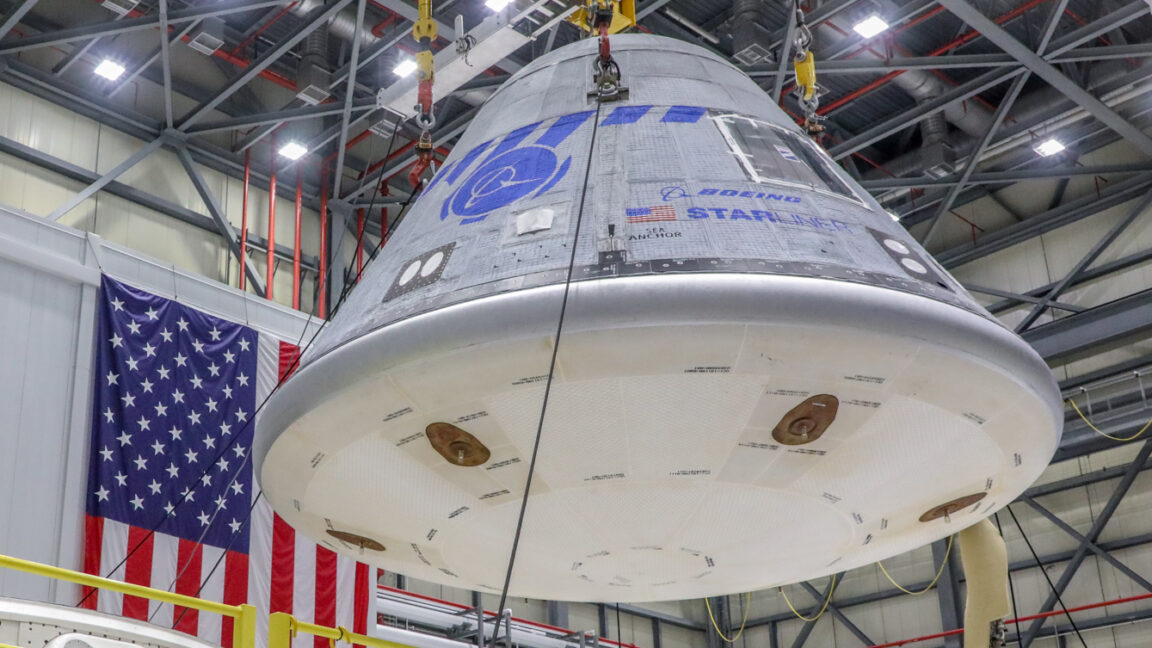
In February, NASA Administrator Jared Isaacman formally classified the 2024 flight as a “Type A” mishap, recognizing the severity of the operational failure. A report by the NASA inspector general noted that ambiguity in NASA requirements and delays in the appropriate mishap classification hindered the resolution of CFT issues, a finding that preceded the departures of two senior human spaceflight officials later that month.
Financial Strains and Multi-Million Dollar Contract Adjustments
The delays have carried substantial economic consequences for both contractor and agency.
For NASA, the Starliner setbacks have forced costly adjustments to maintain uninterrupted human access to the orbiting outpost. The inspector general pointed out that flying an uncrewed cargo mission next does not fulfill all human-rating certification requirements, requiring the agency to secure an additional crew transportation flight. This will cost approximately $300 million to cover services originally assigned to the Starliner-1 contract.
The NASA Inspector General stated via Ars Technica that this decision increases NASA’s costs to maintain a crewed ISS, along with compounding the ongoing delays with certifying the Starliner and reducing the number of contracted crew flights NASA has under the Commercial Crew contract.
In addition to that primary expense, NASA paid SpaceX $17 million to accelerate Crew Dragon flights to bridge the scheduling gap. The inspector general also scrutinized nearly $128 million in payments disbursed to Boeing since 2019 for the anticipated Starliner-3 crew rotation flight, which federal watchdogs characterized as a mission that is far from certain.
Launch Scheduling Bottlenecks and Station Operations Through 2030
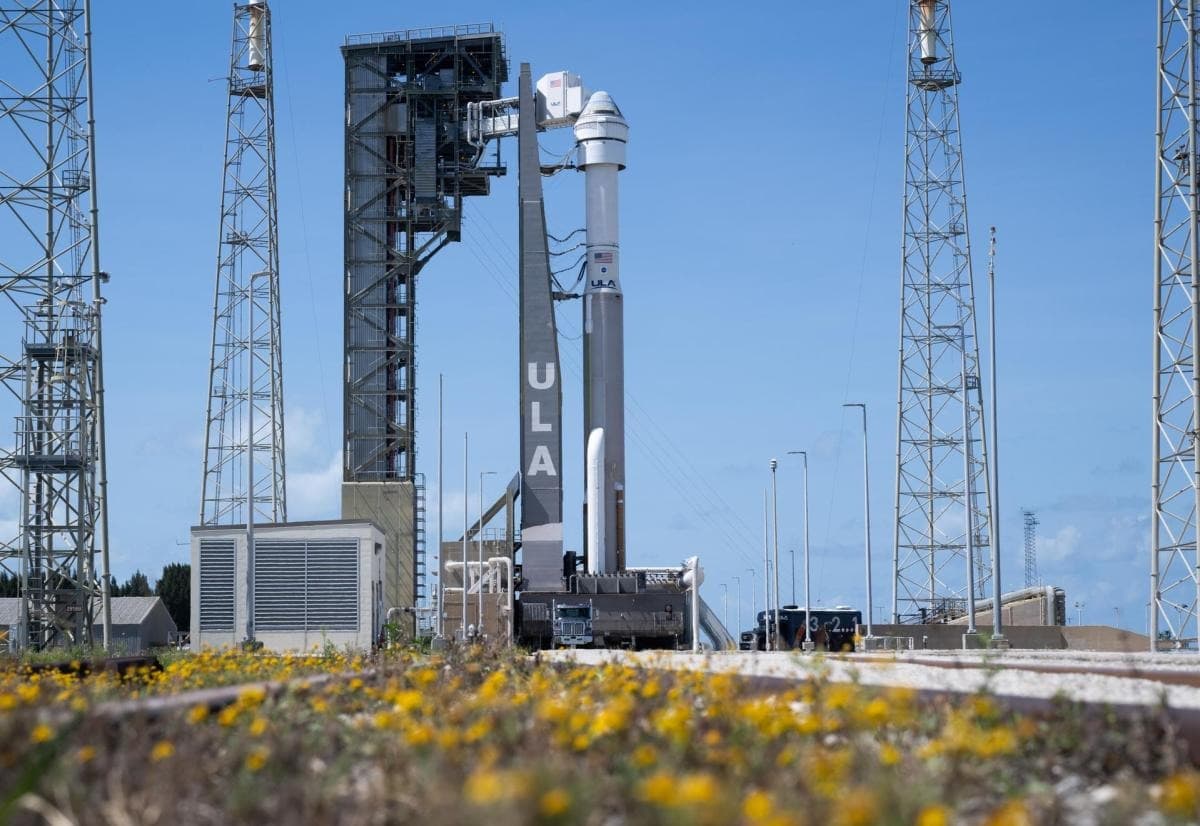
Beyond internal hardware modifications, the path back to flight depends heavily on external coordination. Once technical clearances are achieved, Boeing must secure a launch slot in the United Launch Alliance schedule to fly Starliner-1 atop an Atlas V rocket. Furthermore, mission planners must integrate the capsule into a congested station traffic schedule.
Federal oversight indicates that launch availability, docking port access on the ISS, and crew training timelines present severe operational hurdles. Compounding these physical constraints, analysts note that Boeing has only six Atlas V boosters remaining allocated for the Starliner program without alternative launch vehicle options currently integrated.
With human-rating certification potentially pushed back to 2027, the operational window for crewed flights narrows sharply ahead of 2030, the scheduled end of the International Space Station’s operational lifespan. Agency planners face heightened pressure as SpaceX’s current Crew Dragon and Falcon 9 fleet approaches potential retirement around the end of the decade, leaving commercial space station developers vulnerable to any further loss of redundant crew transportation capability.
Related reading