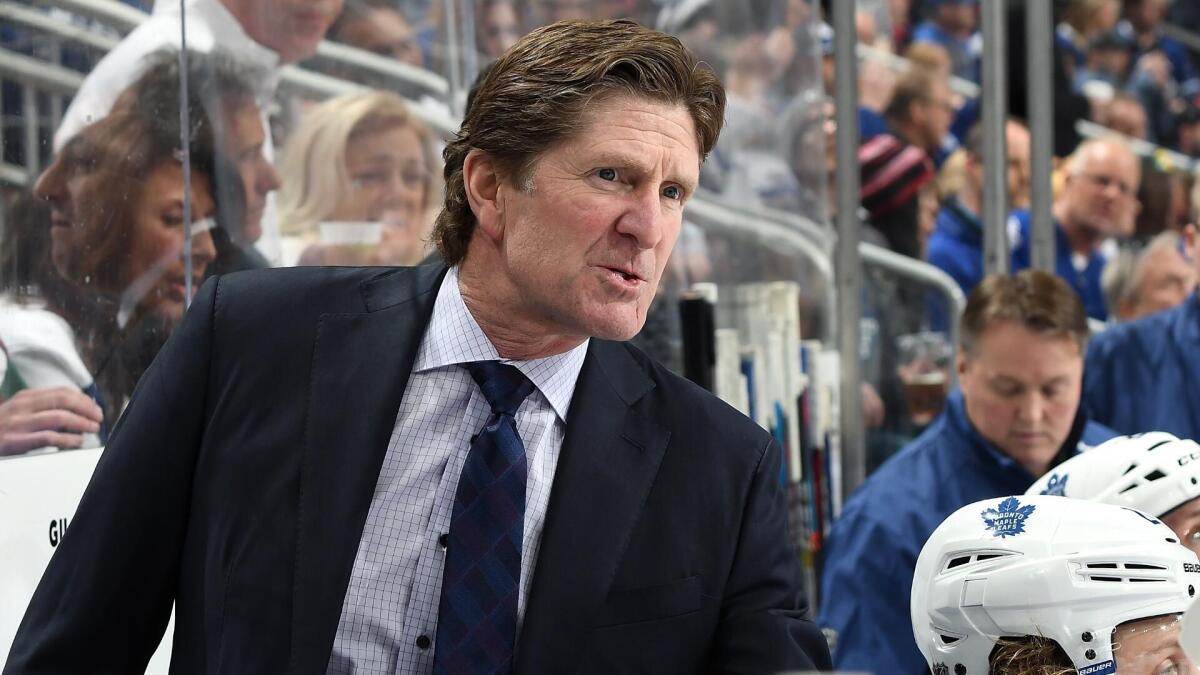
The Edmonton Oilers find themselves at a crucial crossroads as the franchise evaluates its leadership path, bringing high-stakes decisions to the forefront of the National Hockey League. With competitive pressure mounting to maximize the remaining prime years of generational talents like Connor McDavid and Leon Draisaitl, every front office move carries immense weight for an organization chasing its first Stanley Cup title in decades.
In professional hockey, timing often dictates legacy. General manager Ken Holland and the Oilers’ executive leadership team face intense scrutiny from supporters and analysts alike as they weigh sweeping structural changes. Decisions made during these pivotal months will shape not only the immediate roster composition but also the long-term viability of a contender built to win right now.
Bringing in experienced hockey minds always sparks fierce debate across the sports world. When organizations consider figures with polarizing track records, the risk-versus-reward calculation becomes the central narrative for local media and national pundits. Evaluating past triumphs against well-documented controversies requires an objective look at what modern dressing rooms demand from their leaders.
Navigating High-Stakes Roster Decisions
Edmonton’s front office must balance immediate championship aspirations with asset management. Contract extensions, salary cap flexibility, and depth scoring remain constant talking points for a club that reached the Stanley Cup Final before bowing out in a grueling seven-game series. According to league insiders, maintaining team chemistry while injecting veteran resilience is the primary mandate for whoever commands the bench or the general manager’s office.
Supporters expect aggressive moves, yet missteps in personnel evaluation can stall a contender overnight. The Western Conference grows tougher each season, with younger, faster squads pushing established powerhouses. Every tactical adjustment or coaching hire undergoes microscopic examination to determine if it truly moves the needle toward a championship banner.
Evaluating Coaching Philosophies and Team Culture
Modern sports analytics emphasize modern communication styles and player empowerment. Traditional authoritarian approaches face skepticism in contemporary dressing rooms where elite athletes command massive financial investments and carry significant institutional influence. Balancing accountability with player trust defines the modern coaching landscape across major professional leagues.
As the Oilers weigh their options, hockey operations personnel must decide whether a hard-nosed, traditional disciplinarian or an innovative tactician fits a locker room hungry for validation. The outcome of these discussions will dictate the franchise’s trajectory for the foreseeable future, making this one of the most critical offseasons in modern club history.
Share your perspective on the Oilers’ direction in the comments below, and join the conversation as this story develops.
Related reading