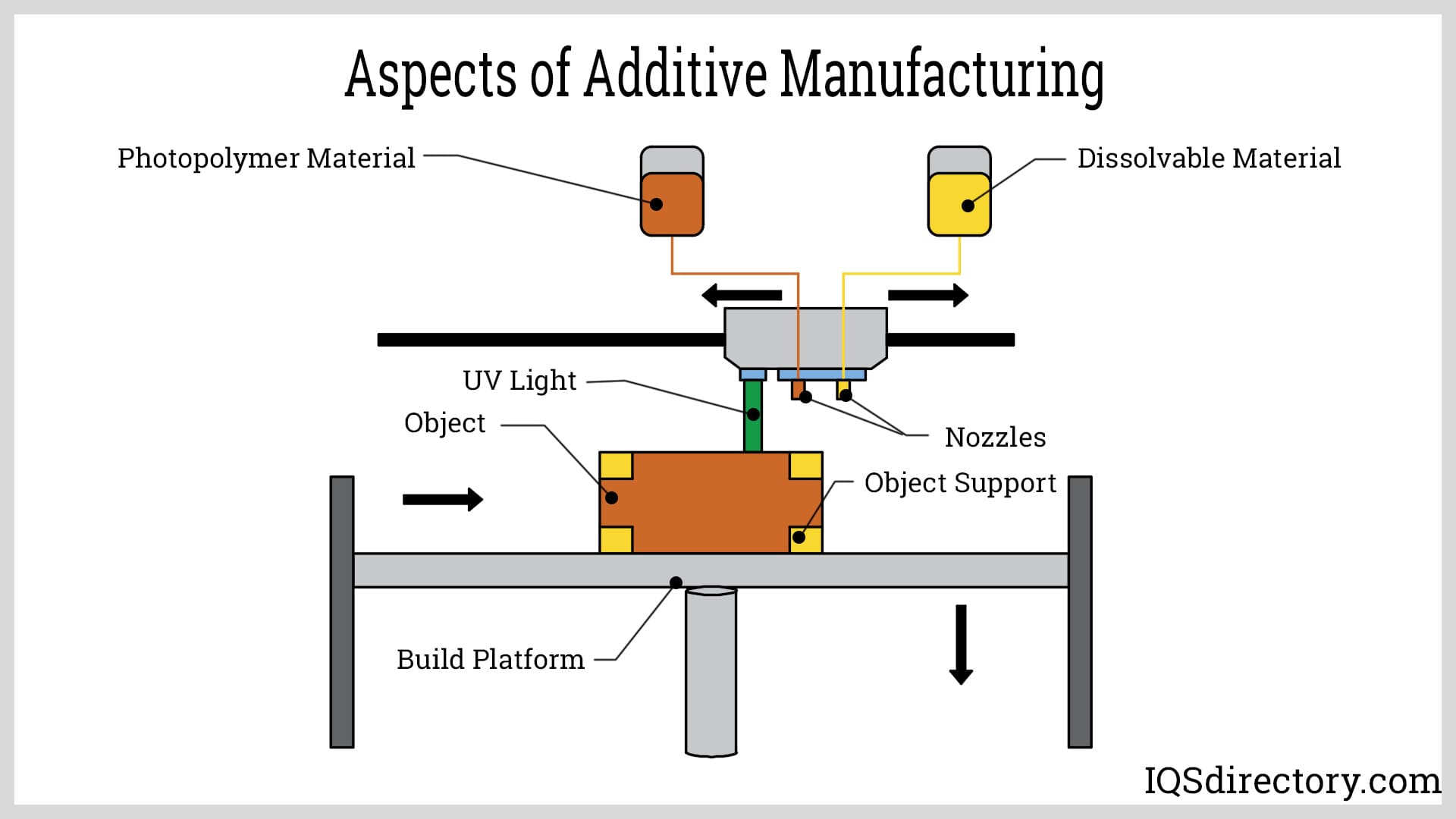
Industrial additive manufacturing is fundamentally reshaping the medtech landscape, driving a critical shift from generic mass production toward highly individualized patient-specific solutions. According to industry experts, the medical device sector must move beyond simply using new manufacturing technologies to replicate legacy designs. Instead, the industry is challenged to rethink device architecture entirely, leveraging digital workflows to produce custom implants, prosthetics, and dental devices tailored to individual human anatomy.
This evolution extends far beyond traditional rapid prototyping. Scaling polymer technologies in clinical environments demands rigorous material qualification, high reliability, and repeatable mechanical outcomes. Advanced additive manufacturing platforms now enable engineers to integrate sophisticated sensor arrays and responsive materials directly into medical devices. These technical capabilities facilitate the creation of next-generation prosthetics equipped with haptic feedback and enhanced osseointegration, bridging the gap between hardware and biological tissue.
Despite these technological leaps, broader commercial adoption faces systemic bottlenecks. Regulatory qualification pathways, complex reimbursement codes, high upfront costs, and global healthcare access disparities continue to slow implementation. Overcoming these barriers requires sustained cross-industry collaboration among material scientists, clinical researchers, and device manufacturers. Industry stakeholders emphasize that unlocking the full potential of medical 3D printing depends on designing components specifically optimized for additive processes rather than retrofitting traditional manufacturing blueprints.
Transforming Healthcare Through Patient-Specific Customization
The transition from off-the-shelf medical hardware to patient-matched devices addresses longstanding clinical challenges.
Overcoming Adoption Barriers and Regulatory Hurdles
Translating digital medical designs into approved commercial products requires navigating stringent regulatory frameworks. Ensuring that every print batch meets clinical safety standards remains a cornerstone of regulatory compliance.
Economic factors also dictate market penetration. Reimbursement structures in many national healthcare systems are built around bulk-produced, standardized devices, creating financial friction for bespoke technologies.
Future Outlook and Next Steps
The ongoing integration of smart sensors, advanced polymers, and automated digital workflows points toward a more responsive era for medical prosthetics and implants. Further updates on medical device innovation and regulatory guidance are expected through upcoming industry forums and official updates published by regulatory authorities.
Readers are encouraged to share their perspectives or join the discussion in the comments section below.
Keep reading