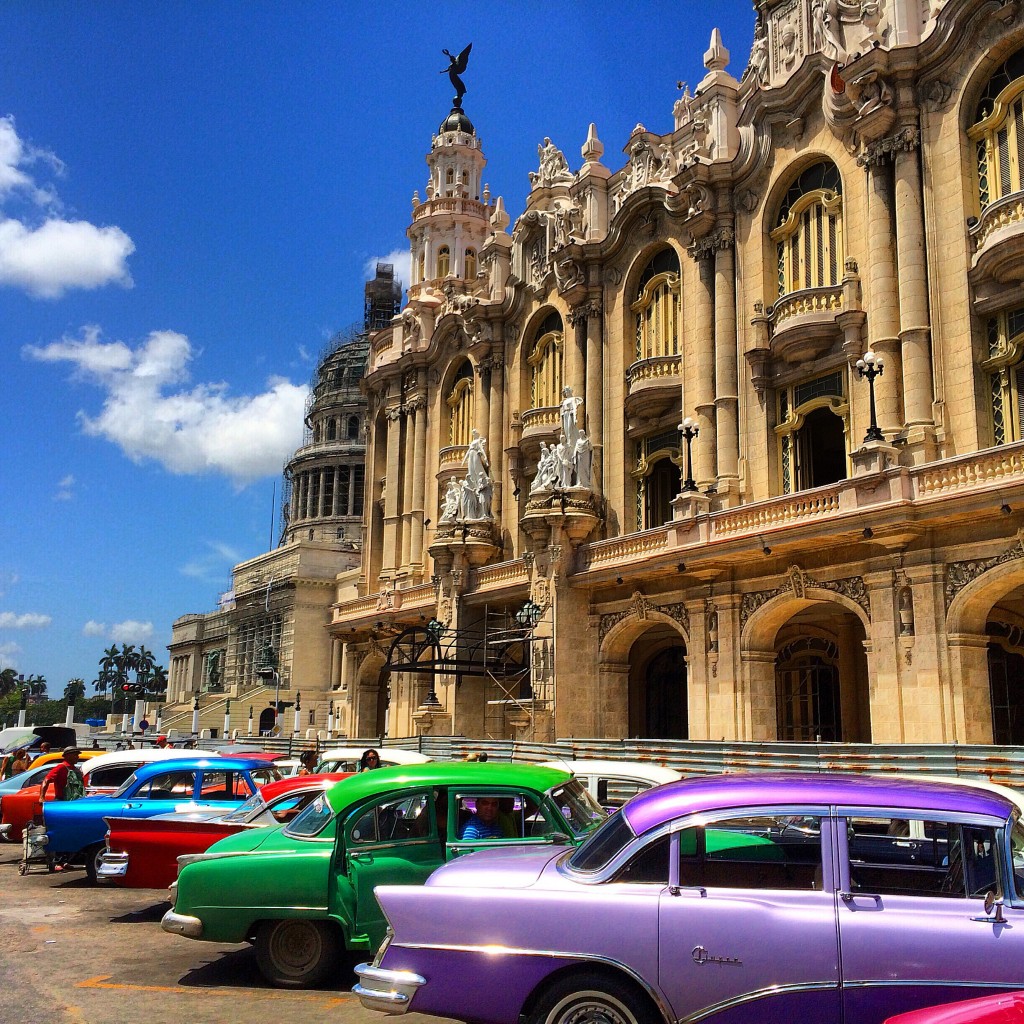
Nearly three-quarters of Cuba’s hotels are closed and seven international hotel chains have departed amid severe energy shortages and United States sanctions. Prime Minister Manuel Marrero announced the crisis at the National Assembly of People’s Power, revealing a 73 percent closure rate and deep economic paralysis.
Hotel Closures and International Departures Paralyze Cuban Tourism
Cuba’s tourism sector is facing operational paralysis as 73 percent of the country’s hotels remain shut down. Prime Minister Manuel Marrero addressed the National Assembly of People’s Power to detail the scope of the crisis, attributing the collapse directly to external economic pressures and a compounding domestic energy deficit.
The downturn stems from a combination of strict United States sanctions and an acute fuel shortage. According to government disclosures at the parliamentary session, seven international hotel management chains have pulled out of the country entirely. Among the firms that have ceased operations are Spanish operators Meliá, Iberostar, and Barceló, alongside Canada’s Blue Diamond, Indonesia’s Archipelago International, and Turkey’s ATG.
The withdrawal accelerated after Washington instituted measures in May against the military conglomerate GAESA, prompting multinational hospitality brands to terminate agreements to avoid financial and legal penalties. Meliá specifically shuttered its entire operating footprint of 34 properties on the island, citing untenable conditions.
Severe Labor Impacts and Worker Displacements
The widespread closure of hospitality infrastructure has left roughly 25,000 Cuban workers in a vulnerable labor status, officially classified as available workers. Before the current economic and energy deterioration, the tourism industry served as the nation’s second-largest generator of foreign currency, employing in excess of 300,000 people.
To address the sudden displacement, a decree signed by Marrero establishes that affected employees receive 60 percent of their salaries beginning in their second month of interruption, though this financial support is designated as strictly exceptional. State-offered reemployment alternatives direct displaced hospitality staff primarily toward agriculture and waste collection. Refusing these assigned posts, which often bear little relation to professional training and offer minimal compensation, results in a complete loss of income.
Occupational Metrics and Shifting Visitor Volumes
Official figures from the National Office of Statistics and Information highlight the depth of the decline across the broader travel economy. Hotels recorded an occupancy rate of just 18.9 percent through the first nine months of the year, meaning four out of five rooms stood empty. Tourism revenues in the first nine months fell 12.1% annually, reaching 82.8 million Cuban pesos.

Visitor arrivals fell by 20.5 percent compared to the prior year, making the government’s annual projection of 2.6 million visitors mathematically unachievable. Canada, Russia, and the United States remained the leading source markets, while travel by Cuban expatriates dropped by 20.7 percent. The contraction stands in sharp contrast to historical highs recorded during the diplomatic thaw of 2018 and 2019, when the island welcomed 4.6 million and 4.2 million visitors respectively.
Structural Reforms and New Private Sector Authorizations
In response to the collapse, the administration has moved forward with a series of economic adjustments. Marrero confirmed that 110 of the 176 planned economic transformations have received approval. These initiatives introduce private sector participation in hotel management, vehicle rentals, travel agencies, and tour guide certifications, alongside a specialized 1% tax designed to fund destination promotion and environmental sustainability.
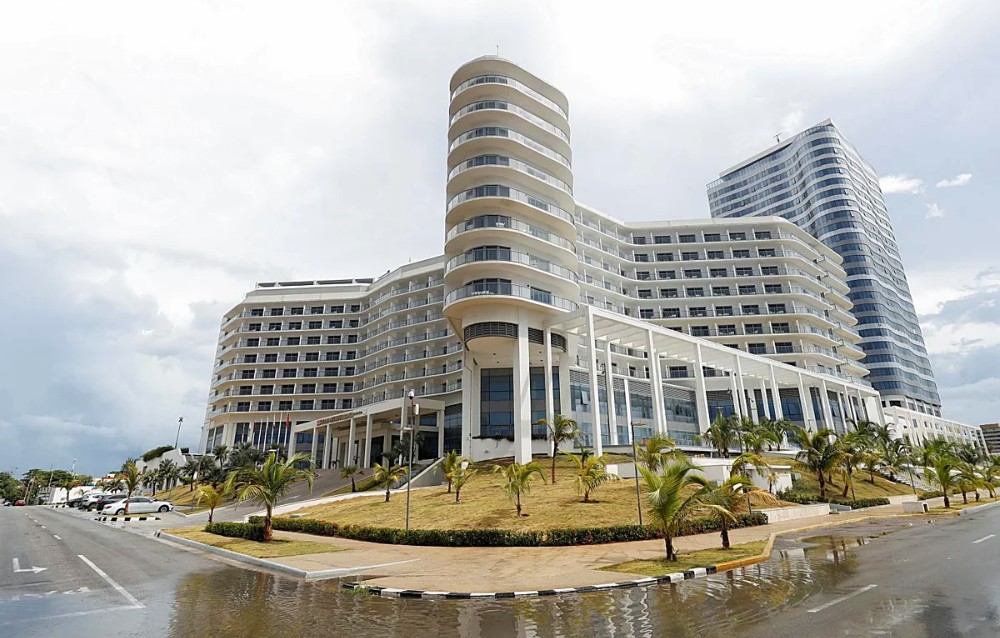
Economic actors on the island are beginning to utilize newly authorized operational pathways. Authorities have constituted the first mixed enterprise uniting an international firm with a private Cuban small-and-medium enterprise, alongside a health tourism venture operated entirely by foreign capital in Old Havana. Furthermore, more than one hundred private operators have secured licenses to engage in wholesale fuel distribution, a figure expanding steadily following recent procedural flexibilities.