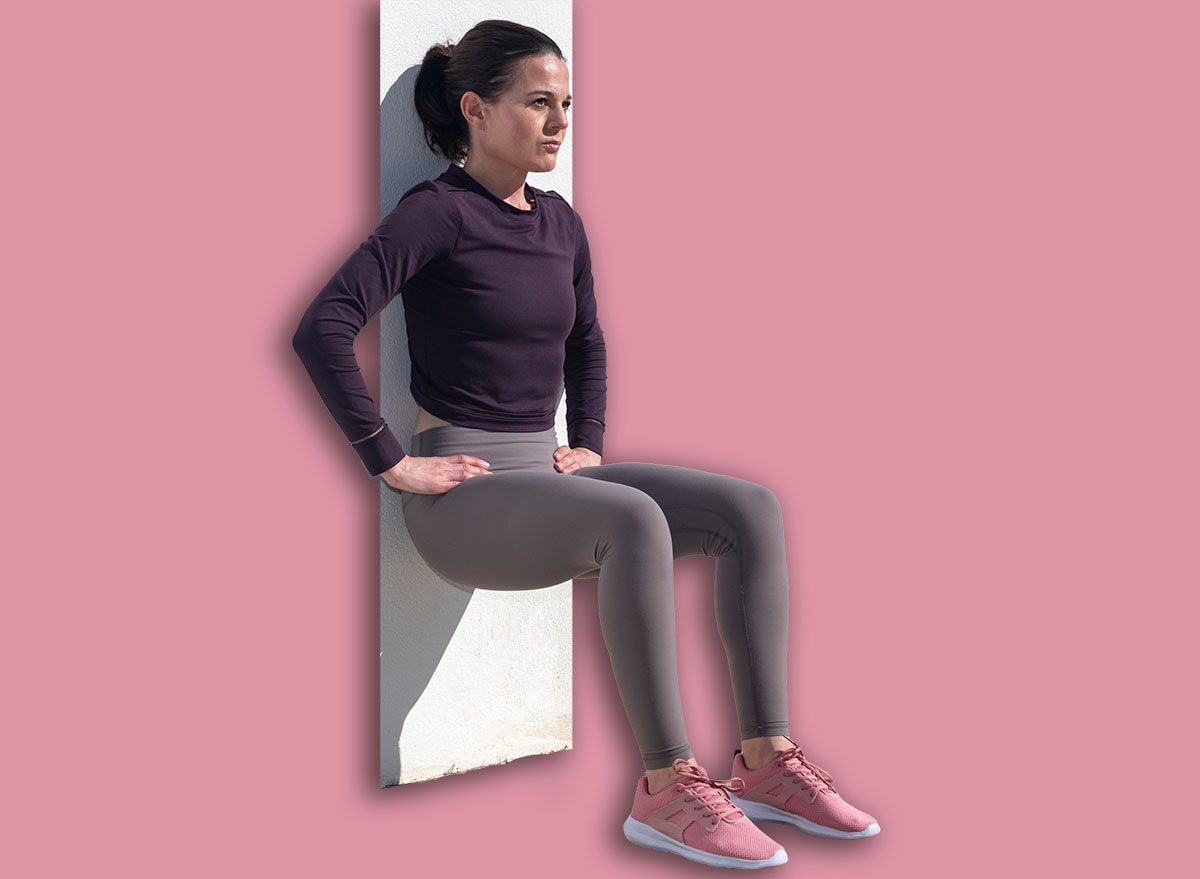
Maintaining physical independence past the age of 65 is directly linked to lower body strength, stable mobility, and proactive muscular maintenance, according to the National Institute on Aging. As adults age, leg muscles in the thighs, hips, and glutes—specifically the quadriceps, hamstrings, and gluteal muscle groups—undergo gradual mass reduction. Without regular strength training, this decline can accelerate, increasing the risk of falls and diminishing everyday functional mobility required for rising from a low seat, walking up stairs, or getting up off the floor.
To evaluate this critical functional capacity at home, fitness professionals utilize simple, zero-equipment benchmark assessments. Developed by James Brady, CPT, a certified personal trainer at OriGym, the wall-supported chair sit test provides adults over 65 with a reliable measure of lower body muscular endurance and muscular tension tolerance. Because muscle loss happens progressively over decades, many individuals do not recognize changes in their physical resilience until daily tasks begin to feel demanding.
“For most healthy adults over 65, holding a chair sit for 30 to 45 seconds demonstrates good lower body strength and endurance,” says Brady. “If you can maintain good form for 60 seconds or more, that’s an excellent result and suggests your leg strength is well above average for your age.”
Executing the Wall Chair Sit Test Safely
Performing the chair sit test requires nothing more than a flat wall and a timing device.
To perform the test, stand with your back flat against a wall. Slide downward slowly until your knees bend to roughly a 90-degree angle, mimicking the posture of sitting in a chair. Ensure your feet remain spaced shoulder-width apart, and distribute your body weight evenly through your heels rather than your toes to protect your knee joints. Hold this position while breathing steadily through your nose, and start a timer to measure how long you can maintain proper form.
“The goal is to strengthen the muscles that support your knees and hips, making everyday movements feel easier and more stable,” explains Brady. By placing the quads, glutes, and hamstrings under sustained isometric tension, the test reveals precise endurance baselines that translate directly into real-world stability.
Progressive Training and Building Lower Body Endurance
Skeletal muscle retains its capacity to adapt and strengthen well into older adulthood, meaning that individuals who discover lower baseline scores during a chair sit test can still cultivate substantial improvements through consistent, progressive training.
For individuals new to isometric leg exercises, Brady recommends starting with conservative holds lasting 15 to 20 seconds, gradually building endurance over several weeks. Rather than treating the test as a single performance score, older adults can repeat the assessment every few weeks to objectively track muscular progress as their lower body strength increases.
As hold times improve, practitioners typically notice enhanced functional capacity in daily life. Everyday actions—such as rising from low seating or climbing flights of stairs—feel more secure, directly supporting the physical autonomy that older adults value.
Next Steps for Maintaining Mobility
For related guidance on lower extremity resilience, health publications frequently recommend reviewing supplementary routines focused on ankle strength restoration after age 60.
Keep reading