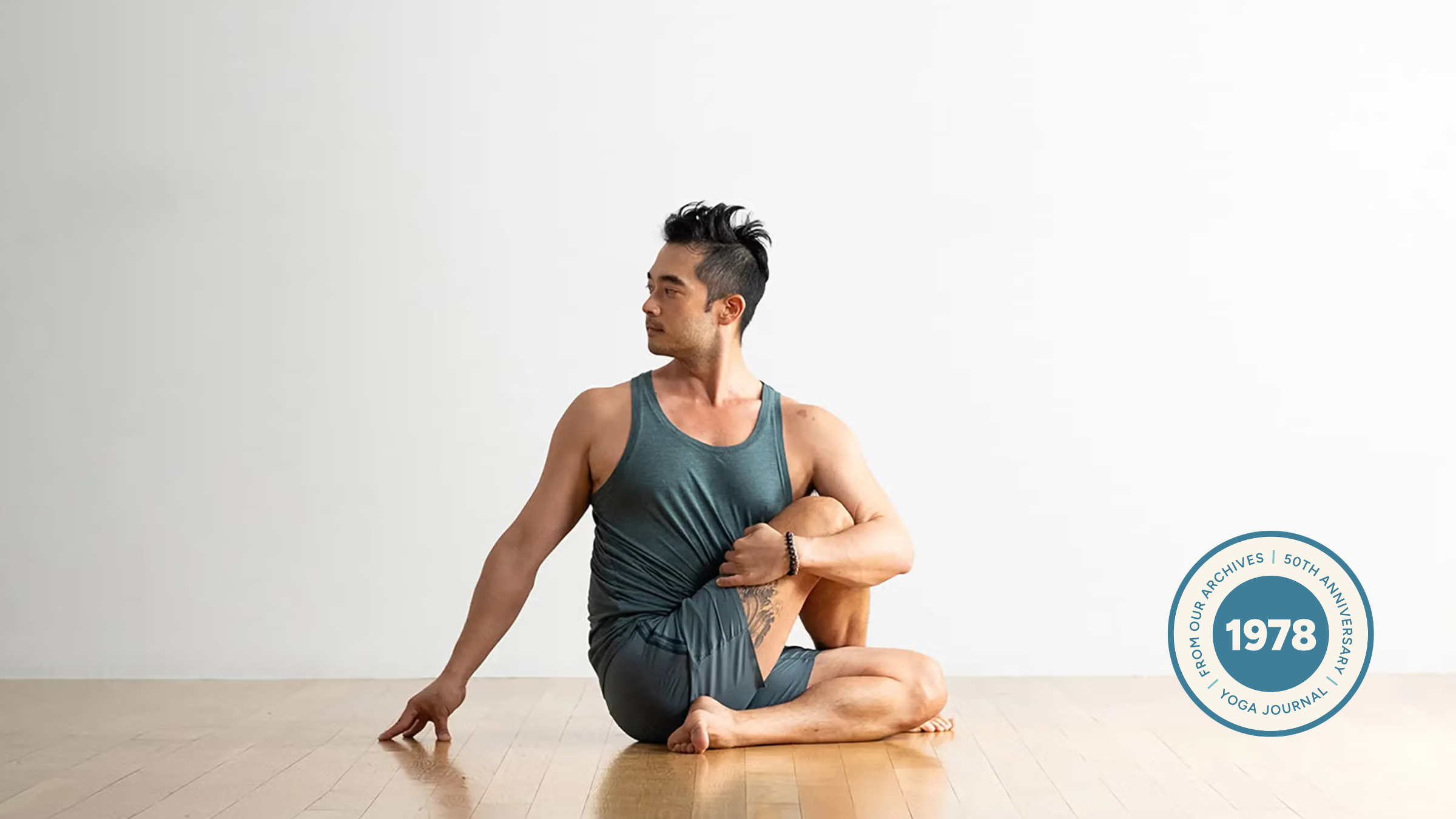
Mindful movement practices frequently incorporate seated twisting poses to target spinal mobility, relieve physical tension, and encourage a deeper awareness of the body. In the realm of contemporary wellness and somatic education, practitioners often utilize these rotational movements not just for physical flexibility, but as a mechanism to observe and unwind ingrained behavioral or physical patterns. According to structural integration and movement specialists, holding tension in the torso often mirrors how individuals brace against daily stress, making targeted rotation an effective tool for nervous system regulation.
When an individual moves into a seated twist, the spine rotates along its vertical axis while the hips remain stable. This mechanical action engages the oblique muscles, compresses the abdominal organs gently, and stretches the supportive muscles of the back, including the latissimus dorsi and the erector spinae. From an anatomical perspective, this movement facilitates articular glide in the facet joints of the thoracic vertebrae. Because the thoracic spine is naturally designed for rotation—unlike the lumbar spine, which favors flexion and extension—incorporating these shapes helps maintain functional range of motion in the upper back.
Beyond biomechanics, somatic practitioners emphasize the neurological components of seated twists. Chronic postural habits, such as slumping over desks or guarding against anxiety, can lock the nervous system into a low-grade fight-or-flight response. Intentional rotation combined with deep, diaphragmatic breathing signals safety to the autonomic nervous system. This physiological shift encourages the transition from sympathetic nervous system dominance to parasympathetic activation, which lowers heart rate and reduces muscle hypertonicity.
Anatomical Mechanics of Spinal Rotation
Executing a seated twist effectively requires an understanding of axial elongation. Before initiating rotation, practitioners are typically instructed to sit tall, grounding the sit bones into the floor or a supportive prop. This initial elongation creates space between the vertebrae, preventing excessive compression during the twist. As the torso turns, the movement originates from the mid-back rather than the lower back, protecting the lumbar discs from shear stress.
Muscularly, the external oblique on one side works in tandem with the internal oblique on the opposite side to rotate the torso. Meanwhile, the rotatores and multifidus muscles—small stabilizing muscles situated close to the vertebrae—activate to guide the spine through its rotational arc. Research published in orthopedic and physical therapy journals indicates that maintaining mobility in these deep spinal stabilizers is essential for preventing lower back pain and improving overall postural alignment.
The breath plays a mechanical role in this process as well. During inhalation, the diaphragm descends, creating intra-abdominal pressure that supports the spine from the inside out. During exhalation, the abdominal wall contracts slightly, allowing for a deeper, more refined release into the twist. This synchronization of breath and movement enhances proprioception, helping individuals recognize where they habitually hold physical tension.
Unraveling Behavioral and Physical Patterns
The concept of unwinding unhelpful patterns through movement bridges physical therapy and somatic psychology. Body-oriented therapists note that emotional stress and mental habits manifest physically as muscle guarding. For instance, individuals under high stress frequently elevate their shoulders, shorten their breath, and stiffen their torsos.
A seated twist interrupts these automatic bracing patterns by introducing a novel spatial orientation. By compressing and then releasing the torso, circulation is momentarily restricted and then restored to the abdominal viscera and surrounding musculature—a physiological flush often associated with a sense of physical lightness after the pose is released. This reset mechanism allows practitioners to observe their habitual reactions to mild discomfort, fostering mental resilience and self-awareness.
Furthermore, mindfulness experts suggest that slowing down during transitional movements helps break the cycle of reactivity in daily life. When a person approaches a seated twist with curiosity rather than force, they learn to distinguish between productive sensation and harmful strain. This heightened internal awareness frequently translates off the mat, empowering individuals to notice when they are tensing up during stressful cognitive tasks and consciously choose a more relaxed physical response.
Practical Application and Safety Considerations
Integrating seated twists into a regular movement or stretching routine requires attention to alignment and individual anatomical variations. Practitioners should avoid pulling themselves aggressively into a deeper twist using the arms, as excessive leverage can strain the spinal ligaments or knee joints, particularly if the legs are crossed in a seated cross-legged position.
For those with specific spinal conditions, such as herniated discs or severe osteoporosis, modifications are necessary. Healthcare professionals generally advise consulting a physician or physical therapist before starting any new movement regimen that involves heavy spinal flexion or rotation. Using props such as yoga blocks, folded blankets, or sitting in a chair with both feet flat on the floor can make seated twists more accessible and safer for individuals with limited hip mobility or tight hamstrings.
As interest in somatic health and preventative wellness continues to grow, practices that combine breath, alignment, and mindful awareness remain a cornerstone of functional self-care. By approaching simple movements like a seated twist with intentional focus, individuals can support both their physical mobility and their capacity for mental ease.
Keep reading