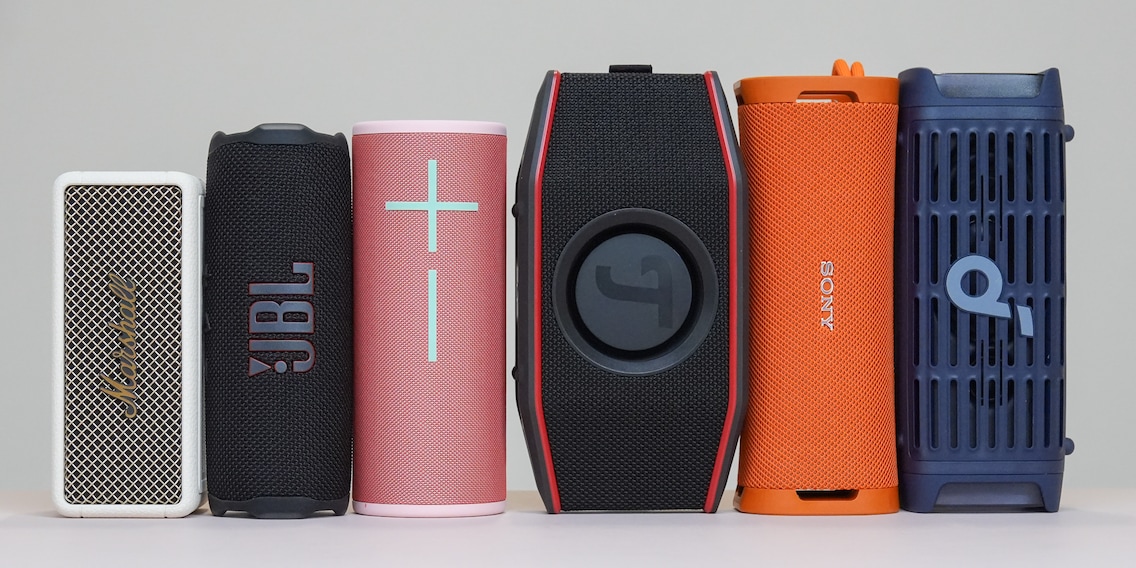
Choosing the best-sounding portable audio device requires understanding that larger speakers generally deliver louder volumes and deeper bass responses, making direct comparisons between vastly different form factors challenging. In the consumer audio market, evaluating portable sound systems depends heavily on matching physical dimensions with acoustic output, driver sizes, and power management capabilities. According to industry analyses and product testing guidelines from major audio publications, comparing a pocket-sized travel speaker to a multi-driver tailgate system creates an inherently uneven playing field. Audio enthusiasts examining the current hardware landscape must weigh portability against acoustic physics to find the right balance for their listening habits.
Sound quality evaluation in modern bluetooth hardware involves analyzing total harmonic distortion, frequency response curves, and amplifier wattage. Manufacturers tune their digital signal processors to maximize performance within restricted cabinet volumes. When testing various hardware tiers, reviewers look closely at how well a device maintains clarity at higher volume levels. Smaller units often utilize passive radiators to enhance low-end frequencies without requiring massive cabinet structures, whereas larger units leverage internal volume to push air more efficiently. Understanding these engineering trade-offs helps consumers parse manufacturer specifications and select devices that match their specific acoustic expectations.
Evaluating Bluetooth Speakers: Size Versus Acoustic Performance
Physical dimensions dictate the fundamental acoustic ceiling of any wireless sound system. Compact units designed for outdoor mobility face strict limitations regarding low-frequency reproduction. Sound physics dictates that moving substantial volumes of air requires larger drivers and cabinet capacity. Consequently, ultra-portable hardware often relies on digital equalization to boost bass presence, which can lead to compression artifacts when pushed to maximum limits.
Mid-sized and large-format audio hardware approaches sound reproduction differently. By incorporating dedicated woofers, tweeters, and multi-channel amplifiers, larger systems separate frequency bands more effectively. This separation reduces intermodulation distortion, resulting in cleaner vocals and more defined instrument separation. Reviewers testing these devices emphasize that buyers should establish clear priorities regarding where and how they intend to use the equipment before examining specifications like IP ratings, battery endurance, and wireless codec support.
Key Factors Influencing Wireless Audio Fidelity
Beyond physical size, several technical variables determine overall listening enjoyment. Wireless transmission protocols play a critical role in data transfer rates and latency. Modern hardware frequently supports advanced audio codecs such as aptX, AAC, or LDAC, which help preserve detail during transmission from smartphones or computers. However, the source file quality remains paramount; compressed streaming formats combined with inefficient hardware processing can significantly degrade the listening experience.
Battery longevity and power delivery under load also affect real-world output. Many portable units throttle their maximum output when battery levels drop below specific thresholds to prevent sudden shutdowns and protect internal components. Hardware testers regularly measure these sustained performance metrics to see how well a device performs over extended listening sessions rather than relying solely on peak burst measurements provided by manufacturers.
Practical Guidance for Consumers
Navigating the vast array of available hardware options calls for a structured approach to feature comparison. Buyers should look for independent laboratory measurements and detailed frequency response graphs rather than relying entirely on marketing claims. Retailers and consumer testing organizations frequently publish standardized test results that measure sound pressure levels and frequency linearity under controlled conditions.
For individuals seeking reliable product updates and safety advisories regarding consumer electronics, checking resources provided by consumer protection agencies and standards organizations offers a solid foundation. Monitoring official manufacturer firmware update logs can also ensure optimal device performance and access to new codec integrations over the product lifecycle. Readers are encouraged to share their experiences and audio preferences in the comments section below to help others navigate the evolving portable sound market.