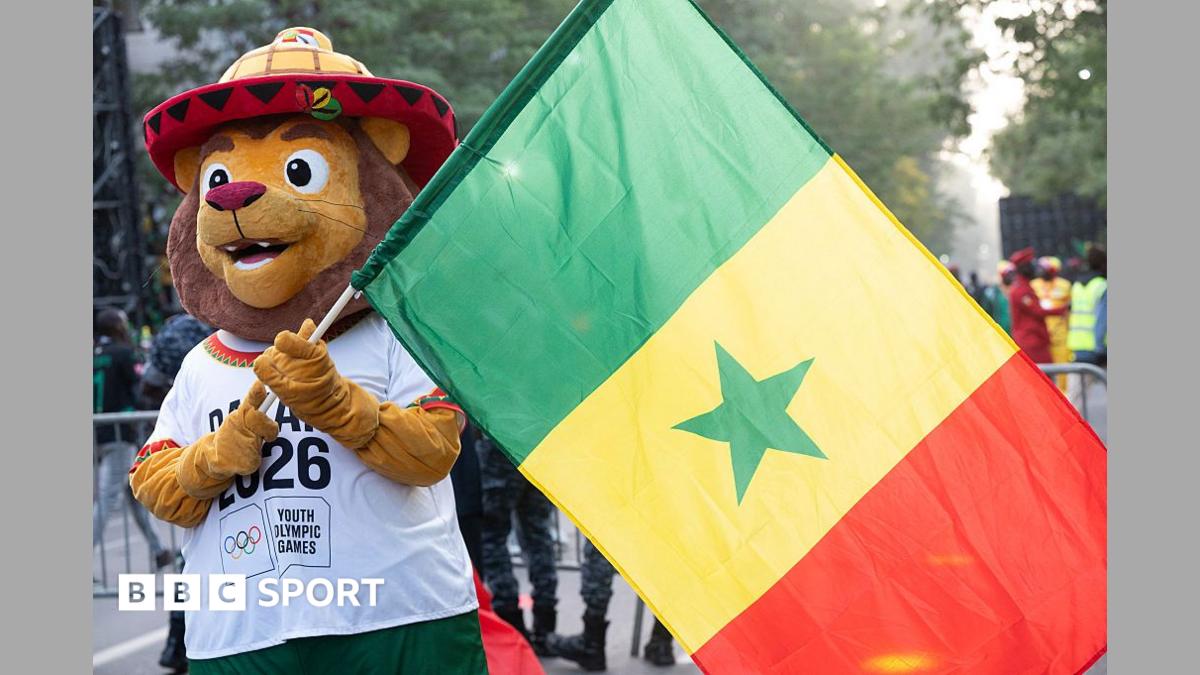
The Dakar 2026 Youth Olympic Games represent a watershed moment for the international sports landscape as the Senegalese capital prepares to host the first Olympic event on the African continent. Scheduled to bring together thousands of young elite athletes in Dakar, the upcoming competition shifts decades of Olympic hosting history toward West Africa, drawing extensive planning from both the International Olympic Committee and local organizing bodies.
According to the International Olympic Committee, the decision to award the games to Senegal marks a deliberate strategy to expand the reach of the Olympic movement to a region that has produced world-class champions across numerous disciplines but has never before organized the marquee multi-sport gathering. The event, delayed to 2026 following schedule adjustments, will utilize venues across Dakar, Diamniadio, and Saly, showcasing the country’s infrastructure development to a global audience.
As preparations accelerate across the host nation, sports administrators, athletes, and local communities are focusing on the logistical and cultural significance of the upcoming games. From grassroots sports legacy programs to high-performance training camps, Dakar 2026 aims to leave a lasting footprint on youth sports development throughout the continent.
Infrastructure and Venue Preparations in Dakar and Diamniadio
Organizers have structured the Dakar 2026 venue master plan to rely heavily on existing and upgraded facilities, minimizing new construction while ensuring long-term utility for the local population. Key hubs include the capital city of Dakar and the modern administrative city of Diamniadio, located roughly 30 kilometers away.
According to updates from the International Olympic Committee, renovation projects target major civic arenas, swimming complexes, and track-and-field facilities to meet international competition standards. The Iba Mar Diop Stadium in Dakar and the Diamniadio Olympic Stadium serve as centerpieces of this regional renewal, designed to host athletics, football, and core Olympic disciplines.
Local authorities are also coordinating transportation upgrades to streamline movement between venues, the Youth Olympic Village, and international transit hubs. These infrastructure improvements form a central component of Senegal’s national development strategy, ensuring that the capital benefits from the games long after the closing ceremony concludes.
Athletic Development and the Youth Olympic Program
Dakar 2026 will feature a comprehensive sports program designed to balance traditional Olympic disciplines with innovative, urban sports that appeal directly to younger demographics. Skateboarding, sport climbing, breaking, and 3×3 basketball feature prominently alongside traditional staples like swimming, gymnastics, and track and field.
National Olympic committees across Africa are currently running specialized talent identification programs to build competitive rosters for the home games. Sports analysts note that hosting the event provides an unprecedented qualification pathway for young African competitors, many of whom gain vital multi-sport games experience ahead of future senior Olympics.
Educational and cultural workshops run parallel to the athletic schedule, emphasizing values of fair play, sustainability, and digital literacy. These initiatives are managed in coordination with the Association of National Olympic Committees of Africa, ensuring regional integration across participating delegations.
Economic and Cultural Impact Across West Africa
Beyond athletic competition, Dakar 2026 functions as a major cultural showcase for West Africa. Tourism boards, hospitality providers, and arts organizations across Senegal are collaborating on cultural festivals and public exhibitions to highlight local heritage, music, and cuisine for international visitors.
Economic planners project positive impacts for small and medium-sized enterprises, particularly within the hospitality, transport, and event-management sectors. Government agencies have emphasized training programs for local workforce participants to support the influx of athletes, media personnel, and spectators expected during the two-week competition.
As the countdown to the opening ceremony continues, the Dakar 2026 Organizing Committee continues to publish regular operational updates regarding volunteer recruitment, ticket sales milestones, and test event schedules. Stakeholders can monitor official announcements and regulatory guidelines directly through the organizing committee’s portal.
Keep reading
- Tampa Bay Rays Acquire Freddy Peralta From New York Mets For Three Prospects
- College Football’s 10 Toughest Quarterbacks to Tackle, Ranked by Analytics
- Topeka Nonprofit Restores Historic 1937 Locomotive and Seeks Permanent Home (news-usa.today)
- Three OG Xbox titles and 34 more games get handheld support (archyde.com)