
The August 12, 2026 total solar eclipse will sweep across Spain and Iceland, offering up to two minutes and 18 seconds of totality.
Marking the first total solar eclipse on mainland Spain in more than a century, the phenomenon arrives alongside an exceptionally busy day for stargazers.
Prime Viewing Locations Across Spain and Iceland
The maximum duration of totality will occur off Iceland’s west coast, with the full eclipse lasting longest in Látrabjargi and remaining visible across Reykjavík and Isafjordur. However, Spain provides a larger land-based corridor for viewers, featuring cities such as Bilbao, Burgos, Palma, Santander, Valencia, Valladolid, and Zaragoza within the path of totality. Weather patterns also favor the region, as Spanish August temperatures typically run 20 to 30 degrees warmer than those in Iceland.
Beyond the primary destinations, a small section of Portugal at the northeast border—specifically Montesinho Natural Park in Bragança—will experience the total eclipse, alongside remote territories in Russia and Greenland. Meanwhile, hundreds of millions of people across North America, Europe, and West Africa will witness a partial eclipse.
International Scientific Investigations and Space Missions
Space agencies and research institutions are positioning equipment on the ground, in the air, and in orbit to study the sun’s corona and atmospheric reactions during the temporary darkening. The European Space Agency will utilize two space telescopes to observe the eclipsed sun, while Proba-3—an artificial eclipse-making satellite duo—will attempt to capture before-and-after imagery despite being positioned outside optimal orbit during peak totality. Public engagement efforts include webcasts from Spain’s Astrophysical Observatory of Javalambre and public celebrations organized in León.
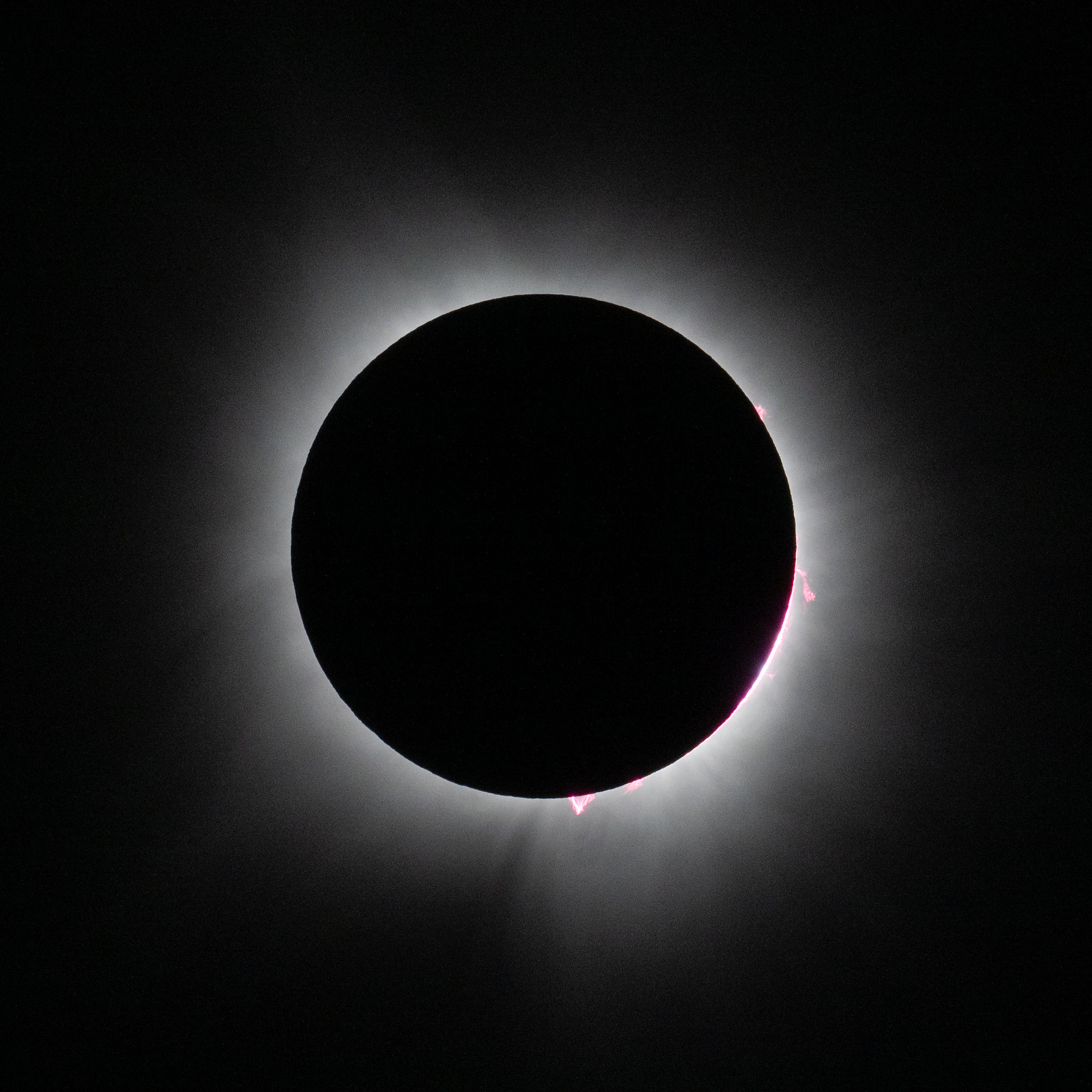
At the same time, academic researchers are scaling up atmospheric studies. Following a much larger campaign during the 2024 North American eclipse, U.S. college teams supported by NASA are launching more than 60 high-altitude balloons from Iceland and Spain to measure temperature drops and atmospheric shifts. Airborne observation is also expanding the data collection window.
Caspi’s team aboard a NASA high-altitude research aircraft will chase the eclipse at 460 mph, utilizing four cameras to record the corona across nine wavelengths and extending observation time to nearly three minutes.
Safety Requirements and Equipment Standards for Viewers
Because totality will not be visible in the United States or the United Kingdom, observers outside the narrow path of totality must utilize certified eye protection throughout the entire event. Standard sunglasses, cameras, or binoculars are insufficient and can cause permanent eye damage. Alternatively, indirect projection methods such as pinhole projectors or household items like colanders allow safe viewing with backs turned to the sun.
An Unprecedented Celestial Trifecta Ahead
The 2026 event serves as an initial showcase for an extended multi-year sequence of rare alignments over the Iberian Peninsula. An exceptionally long total solar eclipse is scheduled for August 2, 2027, bringing nearly three times more observation time across southern Spain, North Africa, and the Middle East. That sequence will conclude on January 26, 2028, with an annular ring-of-fire
eclipse visible in Spain.