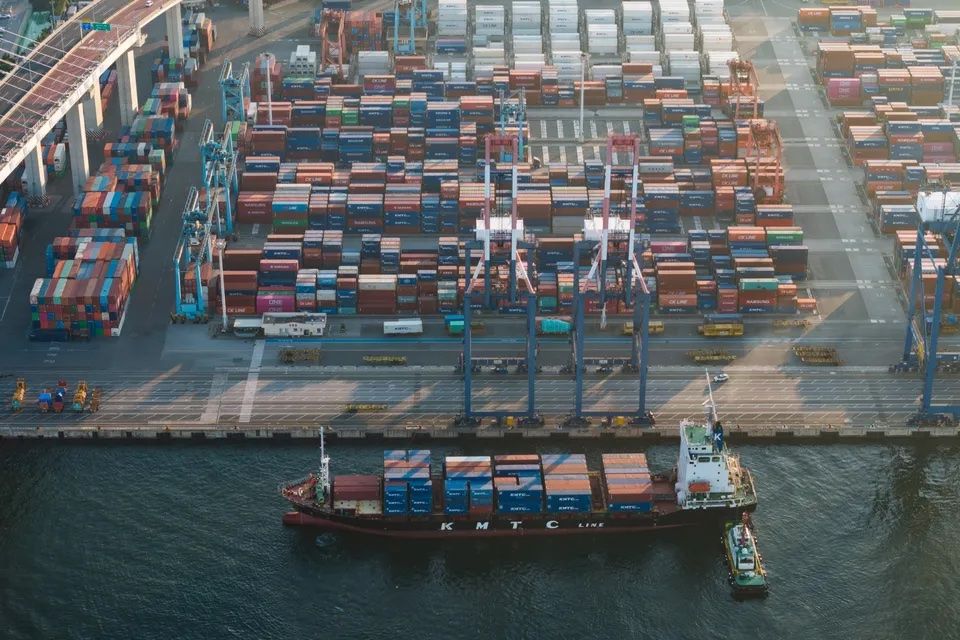
South Korea’s factory activity expanded to 53.1 in July, driven by a surge in semiconductor and automotive export demand. The manufacturing PMI remained above the 50 expansion threshold for an eighth consecutive month, according to S&P Global, as an artificial intelligence boom fueled robust chip shipments.
July Factory Growth Accelerates on Strong Export Demand
South Korea’s manufacturing sector grew at a faster pace in July, extending an unbroken sequence of expansion. Published by S&P Global, the country’s purchasing managers index (PMI) stood at 53.1 in July, rising from 52.1 in June. The index remained above the critical 50 threshold separating growth from contraction for an eighth consecutive month.
Output and new orders accelerated during the month, while new export orders grew for the first time in three months at the steepest rate recorded since April 2021. Asia’s fourth-largest economy outperformed expectations in the second quarter, largely insulated by a technology export boom that offset weaknesses elsewhere.
Semiconductor Boom and AI Infrastructure Drive Record Shipments
The current manufacturing momentum is anchored heavily in advanced technology. Adjusted for working-day differences, South Korea’s exports climbed 59.5% in June from a year earlier, according to customs data. Total shipments on an unadjusted basis surged 70.9%, building on a revised 53.4% advance recorded for May.
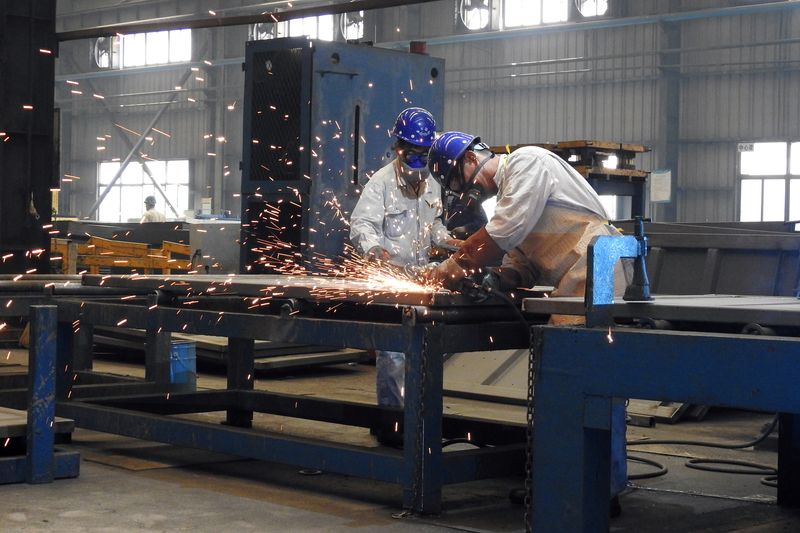
Surging demand for artificial intelligence infrastructure and data-center equipment propelled chip shipments to US$44.8bil, a 199.5% increase from the prior year. Exports of computer-related goods jumped 308.8%, while petroleum products rose 49.8%. Destination data shows shipments to China climbed 92.1%, and exports to the United States rose 78.6%.
Nomura Holdings Inc. economist Jeong-Woo Park noted that the third quarter could see even stronger performance as Nvidia’s Vera Rubin chips enter mass production and manufacturing ramps up.
Cost Pressures and Hawkish Monetary Policy Stances
Despite the technology sector’s strength, geopolitical conflicts continue to introduce headwinds. Supply chain bottlenecks, shipping delays, and rising raw material costs have weighed on broader manufacturing performance. S&P Global noted that Asian producers faced lingering cost pressures stemming from energy shocks and maritime disruptions near the Middle East.

The robust export numbers and consumer inflation accelerating to a two-year high have reinforced expectations for monetary tightening. Policymakers at the Bank of Korea are scheduled to review interest rates on July 16. Bloomberg economist Hyosung Kwon projected that the central bank will start tightening with a 25-basis-point hike, with three subsequent increases aiming to lift the policy rate to 3.5% by the first half of financial year 2027.
Multi-Trillion Won Government Investment Plans on the Horizon
To cement its competitive standing against the United States and China, the government unveiled a sweeping technology initiative. The Lee Jae Myung administration plans to orchestrate at least 1,350 trillion won (US$880bil) in investment from major firms including Samsung Electronics Co. and SK Hynix Inc.
The initiative aims to double memory chip production capacity over five years. However, analysts note that specific timelines depend on corporate board approvals and evolving market conditions, with chipmakers yet to finalize exact capital allocation schedules for the proposed infrastructure.
Keep reading