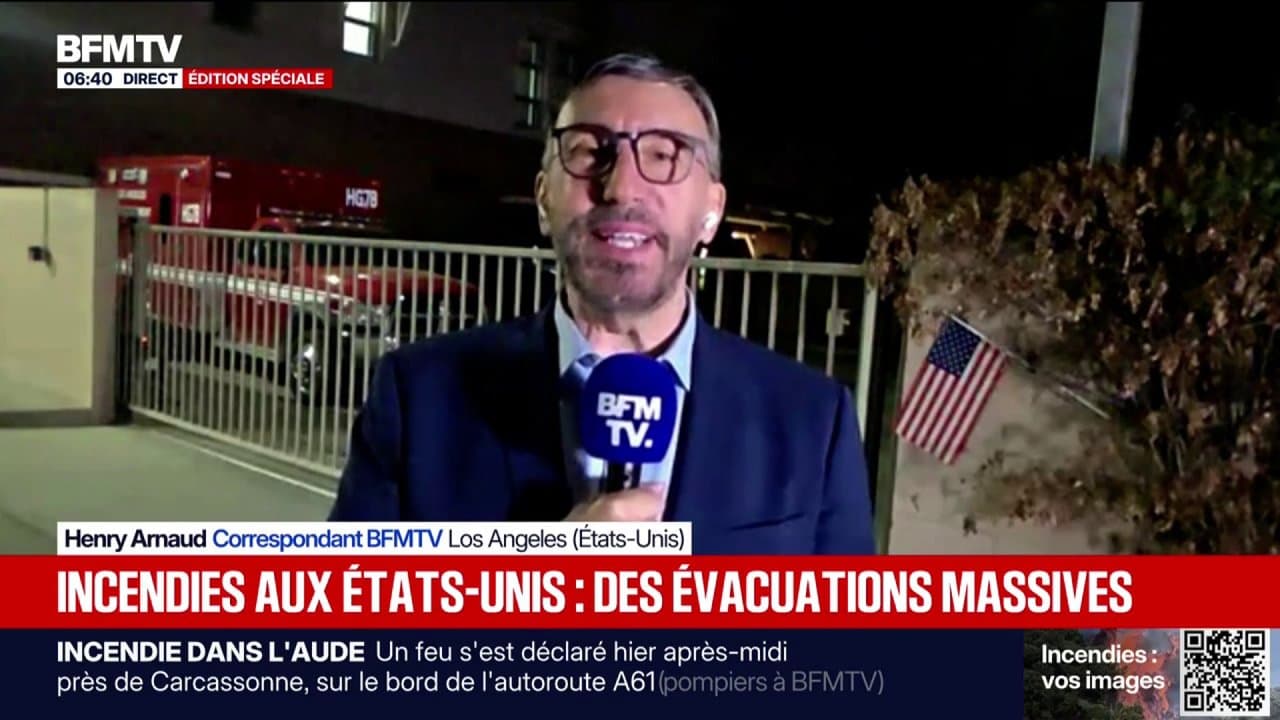
State and local officials in Washington are managing a series of significant wildfires that have triggered mandatory evacuation orders and prompted the declaration of a state of emergency. As of mid-2024, the combination of high temperatures, low humidity, and dry vegetation has created critical fire weather conditions across the Pacific Northwest, challenging containment efforts by regional fire management agencies.
According to the Washington State Department of Natural Resources (DNR), the current fire season has seen an escalation in activity, requiring the mobilization of both state and federal firefighting assets. The state of emergency, authorized by the governor’s office, allows for the rapid deployment of the National Guard and additional logistical support to areas where local resources have been overwhelmed by the speed of fire growth.
Emergency Protocols and Public Safety
The primary concern for emergency responders remains the safety of residents in the path of active blazes. When a state of emergency is declared, it activates the Washington State Emergency Management Division, which coordinates between county sheriff offices and fire districts to issue evacuation notices. These notices are categorized by urgency: Level 1 (Ready), Level 2 (Set), and Level 3 (Go), with the latter requiring immediate departure from the affected area.
Residents are encouraged to monitor the Washington Emergency Management Division portal for real-time updates regarding road closures and shelter locations. Authorities emphasize that evacuation orders are issued based on fire behavior models and the availability of egress routes, which can become compromised rapidly as wind patterns shift.
Climate Factors and Regional Impact
The intensity of this season’s wildfires is linked to persistent drought conditions and fluctuating seasonal temperatures that have left forests susceptible to ignition. Data from the National Interagency Fire Center (NIFC) indicates that the Pacific Northwest has experienced a trend of earlier, more volatile fire starts over the past decade. These fires often result in significant air quality degradation, affecting public health across the state and into neighboring regions.
Beyond the immediate risk to residential structures, the fires pose a threat to critical infrastructure, including power grids and telecommunications. Utility companies have occasionally implemented Public Safety Power Shutoffs (PSPS) during periods of extreme fire risk to prevent electrical equipment from acting as a potential ignition source. Decisions regarding power disruptions are made in consultation with meteorological data provided by the National Weather Service.
Coordination of Firefighting Resources
Fire suppression in Washington is a multi-agency effort. The DNR works alongside the U.S. Forest Service to manage fires on state and federal lands. When fires cross jurisdictional boundaries, the establishment of Unified Command teams allows for the centralized management of tactical resources, including heavy air tankers, ground crews, and specialized hotshot teams. This structure ensures that regardless of land ownership, the primary objective remains the protection of life and the mitigation of property loss.
The state legislature has previously allocated funds to enhance wildfire preparedness, including investments in forest health treatments and the modernization of firefighting equipment. These long-term strategies are intended to increase the resilience of Washington’s landscape against the increasing frequency of large-scale wildfire events.
Next Steps for Residents and Stakeholders
Official status reports and containment percentages are updated daily by incident management teams. For those residing in high-risk areas, the most reliable source for immediate action remains the local county emergency services department or the county sheriff’s official social media channels. State officials typically hold briefings when major shifts in fire activity occur or when containment strategies are significantly altered.
The next official assessment regarding the state of emergency status will depend on upcoming weather forecasts and the successful containment of the most active fronts. Residents are urged to maintain an emergency supply kit and to stay informed through official government channels rather than relying on unverified social media reports during the crisis. Please share your experiences or local updates in the comments section below to help keep our community informed.
Worth a look
- US-Iran Conflict: Trump Announces Talks While Tehran Denies Deal and Stays on High Alert
- China Installs Suspicious Yellow Buoy Near Disputed Senkaku Islands in East China Sea
- Man Shot in Neck on East State Street in Trenton (archyde.com)
- Exploring Leroy Percy State Park in the Mississippi Delta (news-usa.today)