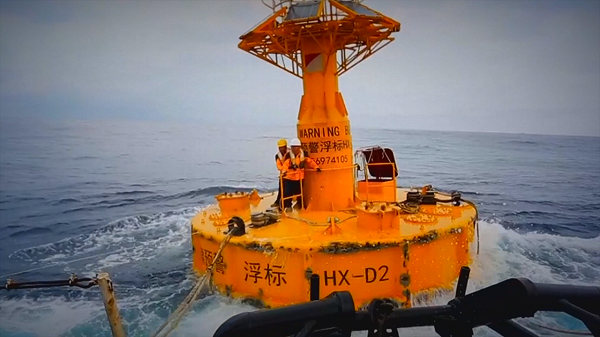
A yellow steel marine structure installed by China in the East China Sea has drawn a formal protest from Tokyo, reigniting diplomatic friction over maritime boundaries and resource rights near the disputed Senkaku Islands, known in China as the Diaoyu Islands. According to Japanese government statements, the yellow iron-frame platform was positioned within contested waters, prompting swift opposition from Japanese officials who argue the installation violates regional sovereignty understandings and heightens tensions in the strategic waterway.
Chinese authorities have defended the placement of the yellow metal frame structure, characterizing the object as a routine scientific research instrument rather than a military or territorial outpost. The disagreement highlights ongoing rivalries over marine jurisdiction in the East China Sea, where overlapping claims by neighboring East Asian economies frequently intersect with heavy commercial shipping lanes and rich fishing grounds.
As diplomatic channels remain active between Tokyo and Beijing regarding the East China Sea marine marker, maritime security analysts note that such installations serve both scientific and strategic functions. The latest diplomatic exchange underscores the fragility of regional stability around the uninhabited island chain, where coast guard patrols from both nations routinely monitor one another’s movements.
Diplomatic Protests and Territorial Claims in the East China Sea
The latest diplomatic friction began after Japanese maritime surveillance detected the yellow steel frame structure anchored in contested maritime zones. Japanese officials lodged formal diplomatic representations through diplomatic channels, demanding explanations and expressing strong objections to unilateral installations in areas where maritime delimitation remains unresolved.
Tokyo maintains that placing uncoordinated structures near the contested island chain infringes upon sovereign rights and undermines bilateral understandings aimed at preventing maritime escalations. Japanese government representatives emphasized that any unilateral activity in these waters is unacceptable and runs counter to regional stability frameworks.
Beijing Defends Structure as Scientific Equipment
Responding to the diplomatic pressure from Tokyo, Chinese spokespersons rejected allegations of territorial encroachment. According to official statements from Beijing, the yellow metal frame structure functions strictly as a scientific research buoy designed to monitor marine environmental conditions, oceanographic data, and meteorological patterns.
Chinese officials asserted that the deployment complies with relevant domestic regulations and international norms governing marine scientific research. Beijing maintains that its maritime activities within the East China Sea are legitimate and fall entirely within areas under its administrative jurisdiction or lawful operational scope.
Regional Implications for Maritime Security
The dispute over the East China Sea buoy reflects broader geopolitical competition for control and influence over critical sea lanes. The Senkaku/Diaoyu island chain has long served as a flashpoint between the world’s second and third-largest economies, both of which claim historical and legal rights to the surrounding waters.
Regional observers point out that marine research platforms often double as persistent physical presences that bolster territorial claims over time. While both nations have previously established maritime communication mechanisms to manage accidental clashes at sea, diplomatic protests over physical installations demonstrate that underlying sovereignty disputes remain unresolved.
Next Steps in Bilateral Engagement
Bilateral consultations between Japanese and Chinese foreign ministry officials are expected to continue as both governments address the disputed marine installation through diplomatic channels. Observers will monitor upcoming regional security dialogues and coast guard communications for any indication of whether the structure will remain in place or become the subject of further negotiations.
Readers are encouraged to share their perspectives on this developing story in the comments below or share this report to keep others informed on East China Sea security developments.
Keep reading