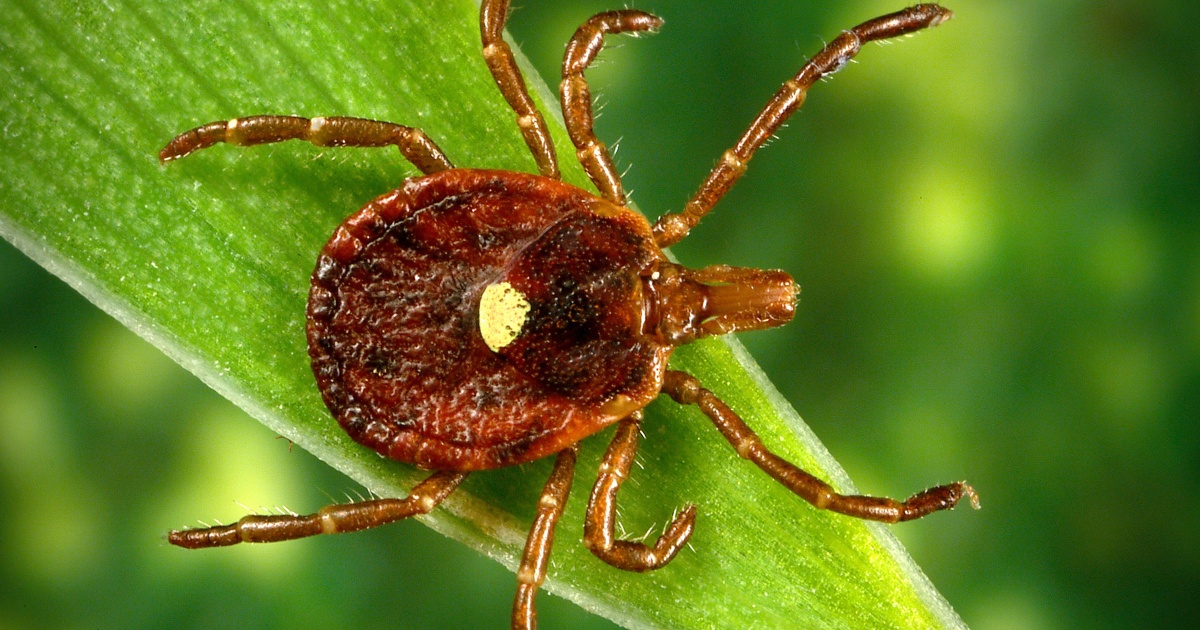
Public health officials in New York have confirmed three human cases of tularemia, a rare and potentially severe bacterial illness often referred to as rabbit fever. The New York State Department of Health issued safety warnings following the diagnoses, urging residents to take precautions against tick and deer fly bites as well as contact with infected wildlife. Tularemia is a zoonotic disease caused by the bacterium Francisella tularensis, capable of infecting both animals and humans.
Medical professionals emphasize that while tularemia can be serious, it is treatable with common antibiotics if caught early. The recent cases in New York have drawn renewed attention to vector-borne diseases during peak outdoor activity seasons. Local health agencies continue to monitor transmission routes and advise the public on proper personal protection measures when working or recreating outdoors.
Understanding Tularemia Transmission and Symptoms
Tularemia spreads primarily through the bites of infected insects such as ticks and deer flies, handling sick or dead animals, or inhaling contaminated dust or aerosols. According to the Centers for Disease Control and Prevention (CDC), symptoms vary depending on how the bacteria enter the body. Common signs include sudden fever, chills, fatigue, and painful skin ulcers at the site of a tick or insect bite, often accompanied by swollen lymph nodes.
When the bacteria are inhaled, individuals may develop a severe form of the illness known as pneumonic tularemia, which causes a dry cough, chest pain, and difficulty breathing. Health authorities note that person-to-person transmission does not occur, meaning individuals cannot catch the bacterial infection directly from an infected family member or neighbor.
Prevention and Public Health Guidance
To reduce the risk of contracting tularemia, the New York State Department of Health recommends several preventive measures for outdoor workers, gardeners, and hikers. Using insect repellents containing DEET, wearing long sleeves and pants, and conducting thorough tick checks after spending time outdoors are critical steps in preventing bites.
Residents should also avoid handling wild animals, particularly rabbits and rodents, and wear gloves and masks if skinning or dressing game. Pets should be kept up to date on flea and tick preventatives to stop them from bringing infected vectors into the home. Anyone experiencing persistent fevers or unexplained skin ulcers after outdoor exposure should contact a healthcare provider immediately for evaluation and potential antibiotic treatment.