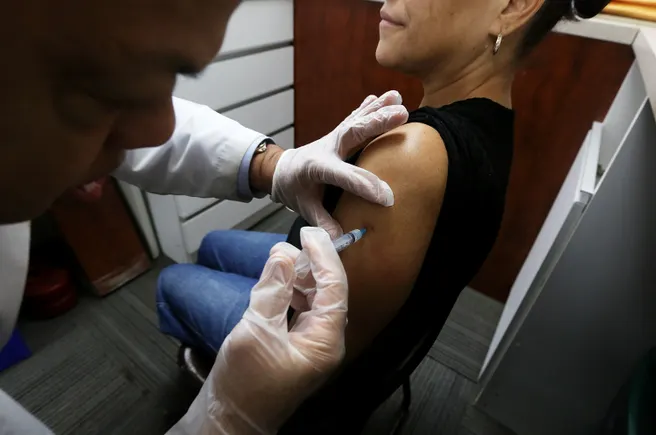
Vaccination remains one of the most effective tools in modern public health, yet widespread public skepticism has persisted following the acute phases of the COVID-19 pandemic. Years after global health emergencies strained healthcare delivery systems, medical professionals and public health officials continue working to rebuild patient trust and clarify how immunizations function beyond basic disease prevention. According to public health authorities, understanding the broader physiological impacts of vaccines offers vital context for patients navigating routine healthcare decisions today.
Public health communication experts note that rebuilding confidence requires transparent dialogues between clinicians and patients. Healthcare providers frequently emphasize that immunization schedules are designed not only to block specific pathogens but also to train the immune system in ways that yield secondary protective effects. As public health organizations evaluate immunization uptake rates across diverse populations, addressing misconceptions remains a primary operational priority for medical networks worldwide.
Understanding Broader Immune Responses and Protection
Medical literature demonstrates that many standard inoculations stimulate generalized immune activation alongside targeted antibody production. When an individual receives a vaccine, antigens prompt the body to mount a coordinated defense involving both B-cells and T-cells. Clinical research highlighted by institutions like the World Health Organization shows that this cellular training can enhance the body’s baseline readiness against secondary infections.
Beyond individual protection, widespread immunization establishes community-level defense mechanisms often referred to as herd immunity. This epidemiological concept explains how high vaccination coverage interrupts transmission chains, shielding vulnerable populations—including infants, elderly individuals, and immunocompromised patients—who cannot receive certain inoculations. Public health agencies track these community thresholds closely to prevent localized outbreaks of vaccine-preventable diseases.
Addressing Vaccine Hesitancy Through Clinical Communication
Clinical communication strategies have shifted noticeably in recent years to address lingering public skepticism head-on. Medical practitioners increasingly rely on empathetic listening and evidence-based explanations during patient consultations. Studies published in health policy journals indicate that when healthcare providers take time to address individual concerns without dismissing them, patient compliance with recommended immunization schedules improves significantly.
Major medical associations advise patients to consult verified channels for ongoing immunization guidance and safety data. Official resources provided by organizations such as the Centers for Disease Control and Prevention and the World Health Organization offer comprehensive schedules and rigorous safety profiles for adults and children alike. Medical professionals stress that maintaining open lines of communication between patients and primary care physicians remains the cornerstone of effective healthcare delivery.
Next Steps in Public Health Initiatives
Health agencies and medical networks continue to roll out updated educational campaigns and accessible vaccination clinics ahead of upcoming seasonal respiratory illness peaks. Patients seeking guidance on personal immunization records or recommended booster doses are encouraged to schedule consultations with their primary care providers or local health departments to review current clinical guidelines.
We invite our readers to share their thoughts and perspectives on public health communication in the comments below.
Worth a look