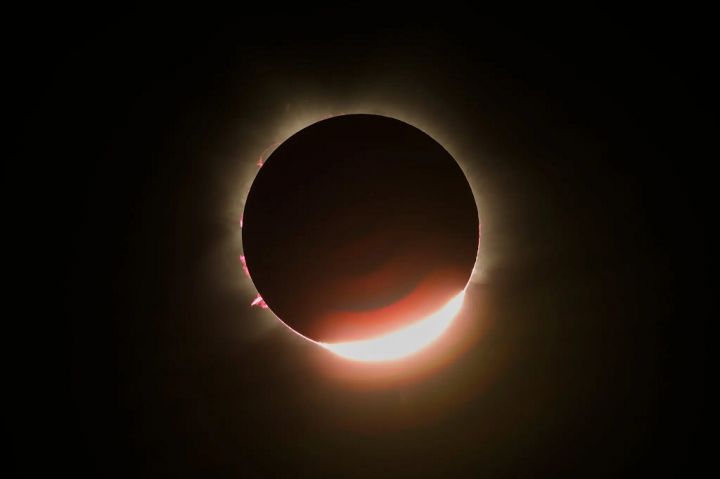
Spain prepares for an influx of visitors during the rare August 12, 2026 total solar eclipse. According to official reports cited by media outlets, the celestial phenomenon will plunge parts of Europe and the Arctic into darkness, while Indonesia remains outside the viewing zone.
Skies across the Northern Hemisphere will darken on Wednesday, August 12, 2026, as the Moon passes directly between Earth and the Sun. The celestial event marks the first total solar eclipse to cross parts of Europe in more than two decades, drawing intense international interest from astronomers, researchers, and millions of travelers.
Spain and Islandia Emerge as Prime Viewing Destinations for 2026
While North America served as the primary stage for the 2024 eclipse, the path of totality for the August 2026 event centers heavily on the Arctic Ocean, Greenland, Iceland, and Spain. Government projections cited by international reporting indicate that Spain expects to welcome visitors, including five million international tourists seeking unobstructed views of the phenomenon.
The path of totality in Spain cuts across several northern and eastern regions, including Galicia, Asturias, Castile and León, Aragon, and the Balearic Islands. Cities such as Bilbao, Burgos, Valencia, Zaragoza, and Palma are positioned to experience complete totality. In Iceland, the capital city of Reykjavík and coastal areas like Látrabjarg offer prime observation points, though travel analysts note that Spain provides a wider land corridor and milder August weather conditions compared to northern latitudes.
Global Timing and Visibility Across Continents
Calculations from the National Aeronautics and Space Administration place the start of the eclipse sequence at 15:35 UTC, with the peak totality occurring at 17:47 UTC before concluding at 19:59 UTC. Beyond the core path of totality—which also clips parts of northern Russia and a small corner of Portugal—a partial eclipse will be visible across a much wider geographic expanse.
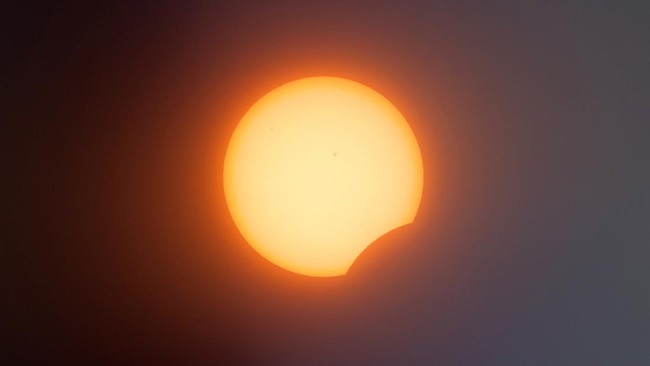
Observers in the United Kingdom, France, Germany, Italy, Scandinavian nations, Eastern Europe, northern Africa, Canada, and the northern United States will experience a partial obscuration of the Sun. In North America, cities like New York will see a modest 9 percent coverage, whereas St. John’s in Newfoundland will experience over 50 percent coverage.
For viewers in Indonesia, however, the celestial alignment will not be visible at all. Because the umbral and penumbral shadows fall entirely across the Northern Hemisphere and western regions of Earth during local nighttime hours, indonesian observers can only follow the event through live broadcasts provided by international space agencies and observatories.
Scientific Campaigns and Atmospheric Research Missions
The brief minutes of totality offer researchers a vital window to study the solar atmosphere.
According to scientific briefings, the eclipse also coincides closely with the peak of the Perseid meteor shower on August 12 and 13, creating a rare double feature for night skies immediately following the daytime event.
Safety Protocols and International ISO Standards
Space agencies and public health authorities emphasize strict safety measures for anyone observing the partial phases of the event. Looking directly at the Sun without certified protection can cause permanent retinal damage.
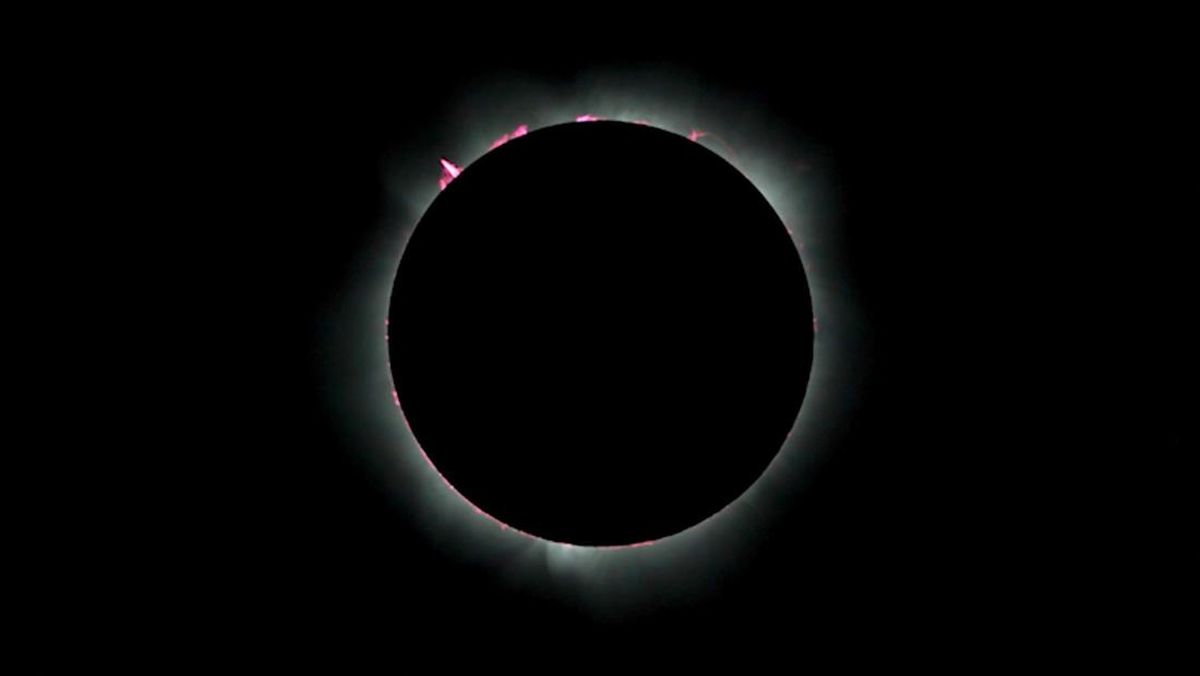
Observers outside the narrow corridor of total darkness must rely on specialized viewing equipment. Only during the brief window of absolute totality may viewers within the path remove their protective eyewear to witness the solar corona directly.