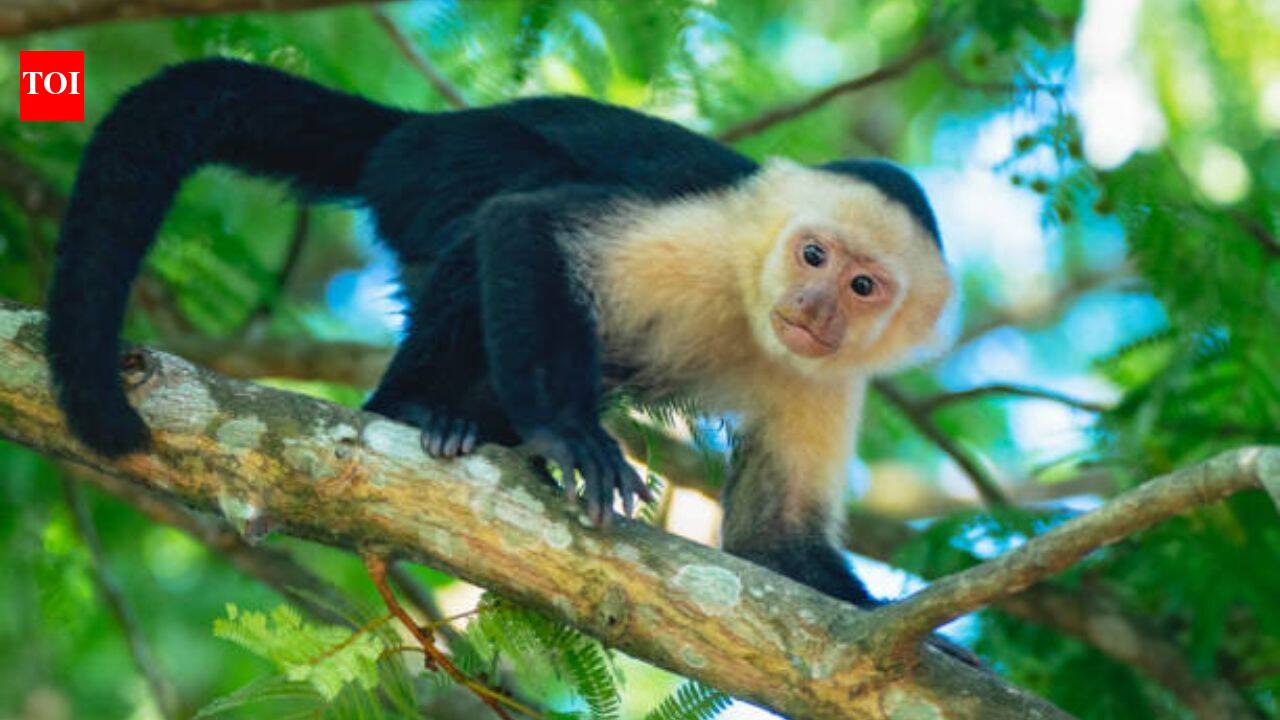
Researchers from Emory University and the Georgia Institute of Technology deployed an AI-powered touchscreen system in Costa Rica’s Taboga Forest Reserve, where wild capuchin monkeys learned to use it for banana rewards, with facial recognition identifying individual animals at a 97 percent accuracy rate.
Field primatology has long wrestled with a fundamental contradiction. The primate brain evolved in complex, competitive outdoor environments, yet most cognitive experiments happen inside controlled laboratory rooms where natural social dynamics are stripped away. Researchers in Costa Rica set out to bridge that divide by bringing automated testing directly into the canopy.
In a study published in The American Journal of Primatology, scientists detailed the deployment of CapuchinAI, a compact, battery-powered computing system integrated into a field research platform. The setup combines automated touchscreen testing with facial recognition software, allowing wild white-faced capuchins to engage with learning tasks on their own terms while earning food rewards.
Building CapuchinAI in the Forest Canopy
The project began with a seed grant from Emory University’s AI.Humanity program, sparking a collaboration between Emory assistant professor of anthropology Marcela Benítez and Georgia Tech associate professor of computer science Jacob Abernethy. They teamed up with Sai Rakshith Potluri, a former Georgia Institute of Technology graduate research assistant now working as a software engineer at ExtraHop in Seattle, to build a system that could operate reliably on a laptop in the field.
To handle facial recognition in an unpredictable natural habitat, the engineering team turned to open-source software. The researchers noted they built it in their garage, while utilizing the open-source software YOLO (You Only Look Once) to develop the model. Training that model required extensive groundwork from Emory and Georgia Tech undergraduate students, who meticulously placed bounding boxes around the faces of wild monkeys in thousands of still images and GoPro videos.
Those tagged images featured specific wild subjects from the research site, including individuals identified as Pele, Pedro, Pio, and Pesto. Once deployed in the Taboga Forest Reserve of northeastern Costa Rica, the resulting facial-recognition system identified individual capuchins with 97 percent accuracy from static images, video, and live field footage.
How the Automated Testing Pipeline Operates
The closed-loop pipeline functions entirely on location without requiring researchers to capture, collar, or physically handle the animals. As an animal approaches the research platform, the system’s facial recognition identifies the specific monkey, retrieves its profile, and presents a learning task tailored to that individual on an interactive touchscreen.
If the animal completes the task correctly, the machine automatically dispenses a banana reward. Field tests demonstrated that wild capuchins habituated rapidly to the hardware, learning the touchscreen-reward associations while exhibiting distinct behavioral traits. Some animals even began kissing the screens during trials.
The methodology builds upon decades of established behavioral study in the region. Benítez co-directs Capuchinos de Taboga, a research initiative launched in 2017 in collaboration with the Universidad Nacional Técnica of Costa Rica. The new AI integration allows scientists to connect long-term field observations with quantifiable cognitive data.
Honoring a Legacy in Primate Cognition
The research team views the automated platform as an extension of foundational work led by Frans de Waal, the prominent primatologist and former director of Emory’s Living Links Center for the Advanced Study of Ape and Human Evolution, who died in 2024. De Waal popularized the study of animal intelligence by documenting individual personalities and complex social lives rather than viewing animals solely as aggregate subjects.
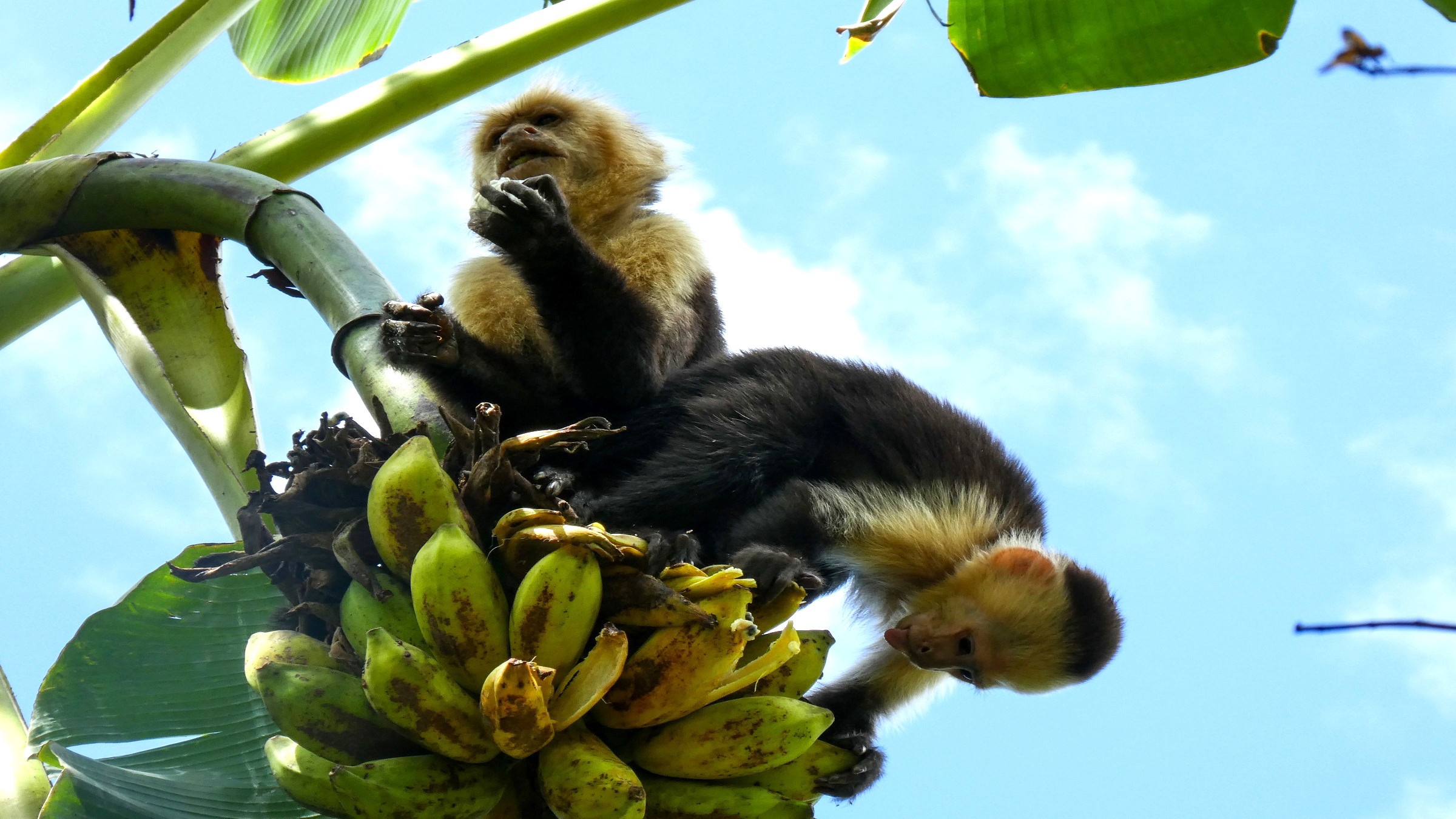
By releasing their computer code, hardware blueprints, and pipeline instructions in an open-source format, the authors aim to encourage other field researchers to adapt the technology for different primate species across varied environments. As long-term studies continue to track how environmental pressures and climate shifts shape animal societies, automated testing in natural habitats offers a new window into how wild minds adapt to changing worlds.