
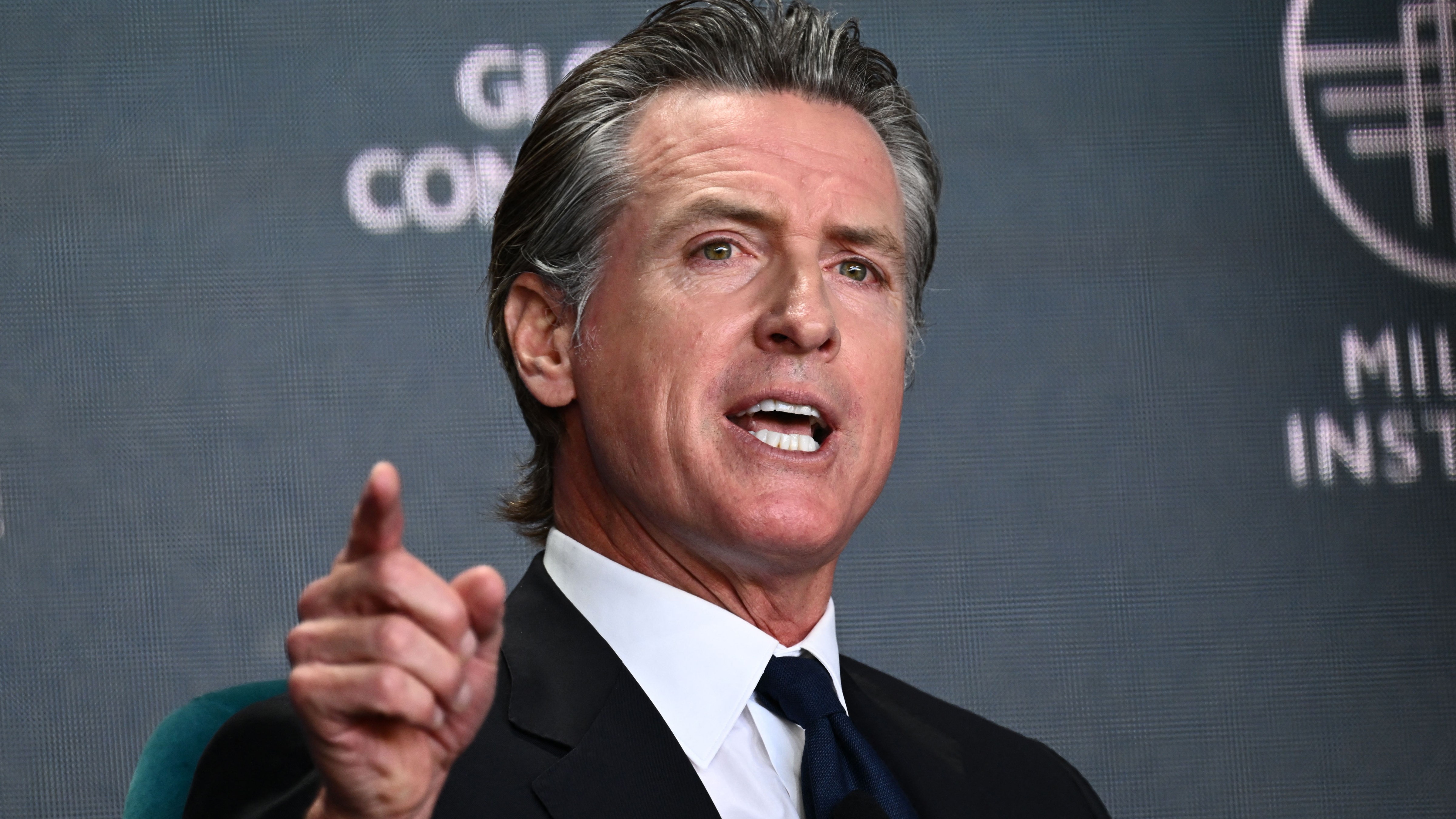
California Governor Gavin Newsom has reportedly engaged in private discussions to urge state officials to resolve or drop an active antitrust lawsuit challenging the proposed $111 billion mega-merger between Paramount and Warner Brothers, according to reporting by the Wall Street Journal. While Newsom holds no direct supervisory authority over independent legal actions pursued by the state’s attorney general, the behind-the-scenes lobbying efforts have drawn intense scrutiny from legal experts, antitrust advocates, and political observers across the country.
The controversy centers on an antitrust complaint filed last month by California Attorney General Rob Bonta alongside the attorneys general of 11 other U.S. states. The multi-state coalition is seeking to block the massive media consolidation deal, pointing to the immense debt load associated with the transaction and the near-certainty of widespread workforce reductions within an already fragile entertainment sector. Court proceedings regarding the injunction have experienced delays, placing mounting financial pressure on Paramount as it faces substantial daily ticking fees owed to investors.
According to individuals familiar with the matter cited by the Wall Street Journal, Newsom argued behind closed doors that halting the multi-billion-dollar combination could damage California employment levels. Consequently, representatives for the governor reportedly encouraged the California Attorney General’s office to pursue an out-of-court resolution rather than pressing forward with the litigation in court. Because Newsom has declined to comment publicly on the matter or defend the position in an open press conference, critics argue the private outreach signals an awareness of the proposal’s deep unpopularity among voters and labor advocates.
The Historical Precedent of Media Consolidation Layoffs
The justification offered regarding state employment stands in stark contrast to decades of documented outcomes in the media and entertainment industries. Economic and labor research shows that large-scale media mergers consistently trigger massive layoffs, corporate restructuring, and higher prices for consumers rather than long-term job creation. Warner Brothers specifically has a documented history spanning a quarter of a century where corporate acquisitions and consolidations resulted in significant staff reductions and asset streamlining.
Industry observers frequently point to the successive consolidation waves involving telecommunications and media giants, such as previous transactions linking AT&T, Discovery, DirecTV, and Warner Brothers. Those combined corporate shifts led to tens of thousands of job losses across production, distribution, and administrative divisions. Labor unions and entertainment guilds argue that adding another layer of corporate debt through the Paramount deal will force incoming leadership to slash overhead costs by eliminating vital creative and technical positions.
Paramount, meanwhile, faces urgent financial incentives to finalize the transaction. Beginning in October, the company reportedly faces multi-million-dollar daily fees payable to investors while navigating a complex financial environment shaped by heavy capital investments in artificial intelligence and shifting consumer streaming habits. To counter regulatory roadblocks, corporate leadership has engaged high-profile advocates and industry figures, including talent agent Ari Emanuel and filmmaker James Cameron, to lobby policymakers and industry stakeholders.
Implications for Media Policy and Political Leadership
The quiet intervention by the California governor has also reignited broader debates concerning U.S. media policy, corporate concentration, and the political establishment’s approach to anti-monopoly enforcement. Independent media analysts have long argued that a heavily consolidated corporate press run by a small cadre of wealthy executives has severely damaged journalistic integrity and contributed to the rise of polarized political landscapes.
While both major political parties frequently voice rhetorical support for media reform, antitrust enforcement, and ownership diversity, critics contend that actual governance often favors corporate consolidation. Observers note that leadership figures seeking higher office must balance relationships with powerful technology and media conglomerates against the public interest in robust, independent journalism and fair market competition.
As the legal battle over the Paramount and Warner Brothers merger proceeds, the next major developments will depend on scheduling decisions made by presiding judges and any formal filings from Attorney General Rob Bonta’s office regarding the multi-state antitrust complaint. Legal scholars and media reform advocates continue to monitor the docket for any signs of an out-of-court settlement or a renewed push for trial.
What are your thoughts on how antitrust regulators should handle major media mergers? Share your perspective in the comments below.
Related reading