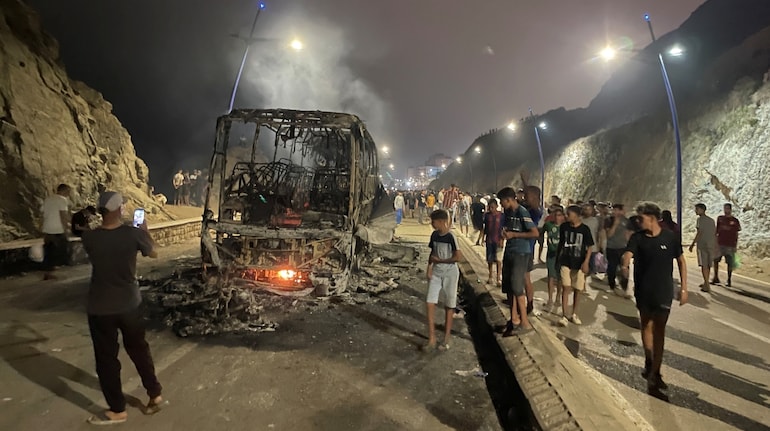
Fueled by online disinformation on Instagram, Facebook, and TikTok, a migration surge of some 72,000 people rushed toward the Spanish territory of Ceuta in late July 2026. The frantic crossings at a concrete breakwater left over 80 migrants dead, triggering an active European Union investigation.
What began as unverified social media posts claiming that Spain had flung open its borders sparked a frantic migration rush toward the North African Spanish enclave of Ceuta in late July 2026. Within days, packed buses, trains, and taxis converged on the border city of Fnideq, swelling into the largest migration surge between Morocco and Spain in years.
Social Media Rumors and the Dash for Fnideq
The chaotic journey started with digital disinformation. The term haraga
refers in Moroccan dialect to young migrants who destroy identification papers to try crossing illegally into Europe.
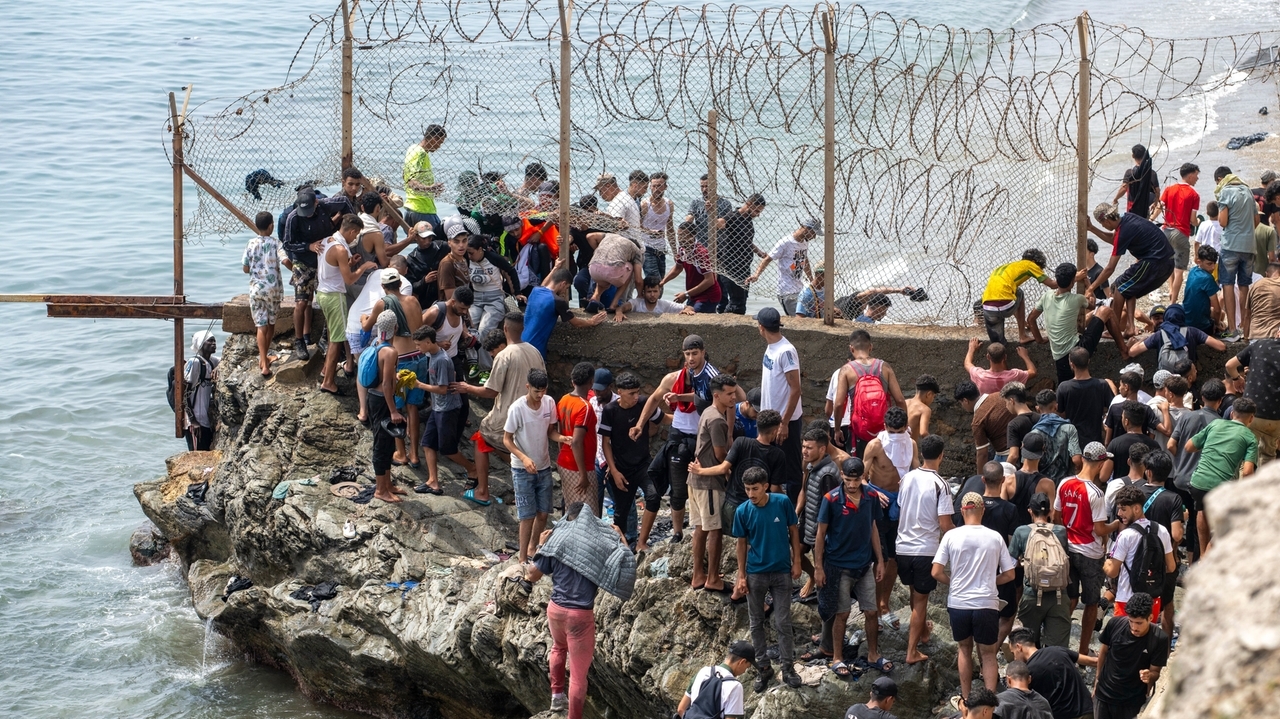
For hopeful migrants, the route typically begins in Fnideq, where swimmers attempt a roughly 3-mile (5-kilometer) journey around the border breakwater, or from the nearby village of Belyounech. TikTok videos mapped out exact swimming routes, while Facebook groups like Fnideq Bab Sebta shared screenshots from vessel-tracking platforms to spot lighter coast guard patrols and advertised wetsuits for sale. I saw online that the border was open, and I decided to go,
said 17-year-old Omar Danbor from Fnideq, who walked back exhausted along the coast after the attempt.
Deadly Chaos at the Ceuta Breakwater
Mass chaos erupted at a narrow concrete breakwater where thousands scrambled to climb onto land at the same time. Migrants pushed and shoved, knocking individuals back into the water and forcing them beneath the surface where they could not resurface.
“I stepped on the face of a dead man while I was climbing out. I hope God forgives me and all those whose bodies were found.”
Lahcen Kalouch, Moroccan migrant
Authorities confirmed that at least 72 people died on the Spanish side of the border, while another 11 perished on the Moroccan side. Tens of thousands of survivors have since returned to Morocco, either expelled or leaving by choice due to a severe lack of shelter, food, and water inside Ceuta.
Misinterpreted Spanish Legal Measures and EU Fallout
The panic was fueled in part by widespread misunderstandings of Spanish Prime Minister Pedro Sánchez’s immigration regularization measures and a local court ruling limiting authorities’ ability to immediately return migrants who swim into Ceuta.
Sánchez’s regularization policy applied strictly to individuals already living in Spain prior to January 1—largely Latin Americans who had overstayed legal visas—rather than new arrivals from Morocco. Yet social media twisted the policy beyond recognition. Pedro Sánchez is a liar. He told us if we came, we would get jobs and papers, but they sent us back,
said Adam Assil, a migrant from Casablanca, despite no such promise ever being made by the Spanish leader.
The sudden humanitarian emergency has touched a raw political nerve across Europe. The European Union has launched an investigation into the disaster, with the EU’s migration commissioner expressing grave concern over online disinformation campaigns that manipulated thousands into risking their lives.
Keep reading