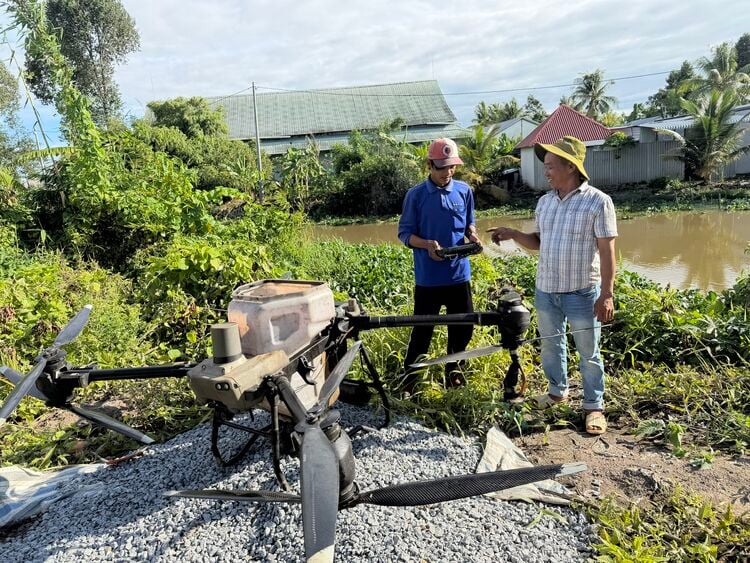
Vietnam is accelerating its digital transformation across the agricultural sector, integrating synchronised mechanization from soil preparation to harvesting to build smarter farming operations. According to recent reports from national media outlets like Vietnam.vn, modern technological applications are reshaping traditional farming practices, allowing for greater efficiency and precision in resource management.
This technological shift addresses mounting pressures on Southeast Asian food producers, who face climate variability, shifting labor markets, and the increasing demand for sustainable supply chains. By adopting connected machinery and automated data systems, agricultural enterprises in Vietnam aim to optimize crop yields while minimizing environmental impacts.
The modernization initiative spans multiple stages of agricultural production. Automated irrigation systems, precision fertilizer application, and mechanical harvesting tools now operate in synchronized workflows across pilot zones, reducing manual labor requirements and input waste.
Synchronized Mechanization Across Production Stages
Intelligent agriculture in Vietnam relies heavily on harmonizing equipment throughout the crop lifecycle. From initial soil fertilization to final harvest, mechanical systems communicate to streamline operations. Data collected via sensors helps farm operators determine exact nutrient requirements for specific soil plots, preventing overuse.
Government initiatives and private sector investments have encouraged the adoption of these tools. Agricultural cooperatives act as focal points for acquiring heavy machinery and training local farmers in digital tracking tools. These systems allow operators to monitor crop health in real time through mobile and desktop interfaces.
According to updates published on Vietnam.vn, these synchronized methods reduce post-harvest losses by improving speed and handling precision. Grain drying and storage facilities are increasingly integrated with farm-level harvest schedules to prevent bottlenecks during peak seasons.
Economic and Environmental Implications
The transition toward digital farming offers dual benefits: lower operational costs for growers and a reduced carbon footprint for the broader agricultural sector. Precision fertilizer application minimizes chemical runoff into local waterways, addressing longstanding environmental concerns in intensive farming regions.
Financial institutions and agricultural technology providers are introducing tailored credit packages to help smallholder farmers purchase modern equipment. These funding structures are designed to bridge the capital gap that often hinders technology adoption among independent producers.
Observers note that widespread adoption depends heavily on ongoing digital literacy programs. Local agricultural extension offices regularly conduct workshops to demonstrate equipment maintenance and data analysis techniques, ensuring farmers can independently manage their upgraded systems.
Future Outlook and Implementation Checkpoints
As Vietnam continues its nationwide digital rollout, policymakers are focusing on standardized data infrastructure to connect regional agricultural hubs. Future phases include expanding rural broadband coverage and establishing centralized logistics platforms to track produce from farm gates to export terminals.
Stakeholders can monitor official implementation guidelines, policy updates, and technological standards through national information portals such as Vietnam.vn. Continued evaluations by agricultural ministries will determine the timeline for expanding pilot mechanization programs to additional provinces in the coming quarters.
What are your thoughts on how digital transformation is reshaping traditional farming? Share your perspective in the comments below.
Worth a look