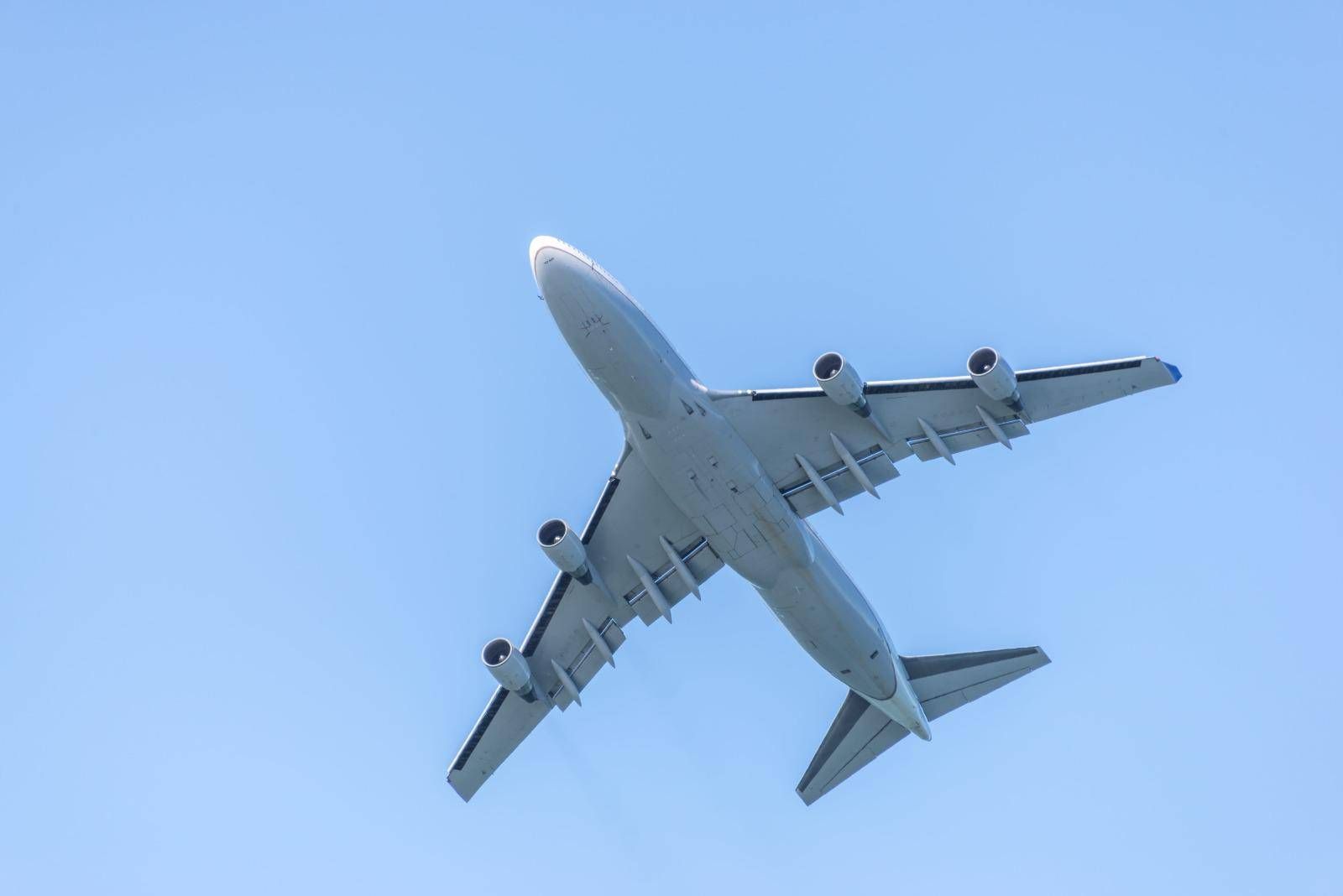
Commercial airline pilots descending into major metropolitan airports routinely scan the skies for routine hazards like flocks of birds or authorized ground traffic, but a growing number of flight crews have reported encounters with more ambiguous airborne anomalies. In recent aviation safety reports, pilots operating near busy European airspace hubs have described objects resembling unmanned aerial systems passing uncomfortably close to passenger jets, sparking fresh scrutiny from aviation authorities regarding low-altitude airspace safety.
These pilot encounters highlight ongoing challenges for air traffic management systems as hobbyist drones and commercial unmanned devices proliferate near flight paths. While civil aviation regulators mandate strict vertical and horizontal separation distances between drones and registered aircraft, the physical detection of small, fast-moving objects by flight decks remains heavily dependent on visual spotting during critical phases of flight such as takeoff and landing.
According to aviation safety databases maintained by transport authorities, close proximity events involving aircraft and unidentified aerial objects prompt immediate internal reporting by flight crews. These incidents are subsequently cataloged by safety investigators to determine whether drone operators violated restricted airspace regulations surrounding major international airports.
Airspace Safety and Visual Detection Limits
Modern commercial airliners rely on a combination of transponder-based collision avoidance systems, such as TCAS, and visual observation by flight deck crews to maintain situational awareness. However, small multirotor drones frequently lack the radar-reflective signatures or active transponders required to trigger automated cockpit alerts, leaving pilots as the primary line of defense during final approach.
Aviation safety experts note that human visual acquisition of a small drone at high closing speeds leaves mere seconds for a crew to react. When pilots report seeing an object that resembles a drone or an unverified airborne craft near their flight path, standard operating procedures require them to log the precise coordinates, altitude, and time of the observation for air traffic control and subsequent investigation by transport safety boards.
Regulatory Frameworks and Pilot Reporting Protocols
Civil aviation authorities across Europe enforce strict no-fly zones around commercial airports, typically prohibiting drone operations within several kilometers of runways and below specific altitude ceilings. Despite these legal restrictions, unauthorized flights continue to pose operational challenges for airport operators, who occasionally halt departures or arrivals when pilots report anomalous objects in the vicinity.
When a flight crew submits an airprox report—designating a situation where in the opinion of a pilot the distance between aircraft and another object was such that safety may have been compromised—national safety investigators initiate a review. These reviews analyze radar data, air traffic controller logs, and pilot testimonies to establish the trajectory and identity of the reported object whenever possible.
Authorities urge commercial drone operators to strictly adhere to registered flight authorization protocols and geographical altitude limits to prevent interference with commercial air traffic. Passengers and aviation enthusiasts seeking official guidance on drone safety regulations can consult transport ministry resources or civil aviation authority portals for up-to-date compliance guidelines.
As transport ministries release periodic safety data regarding airspace incursions, further updates on pilot reporting trends and regulatory enforcement actions are expected through official aviation safety channels. Readers are invited to share their perspectives or discuss aviation safety measures in the comments section below.
Worth a look