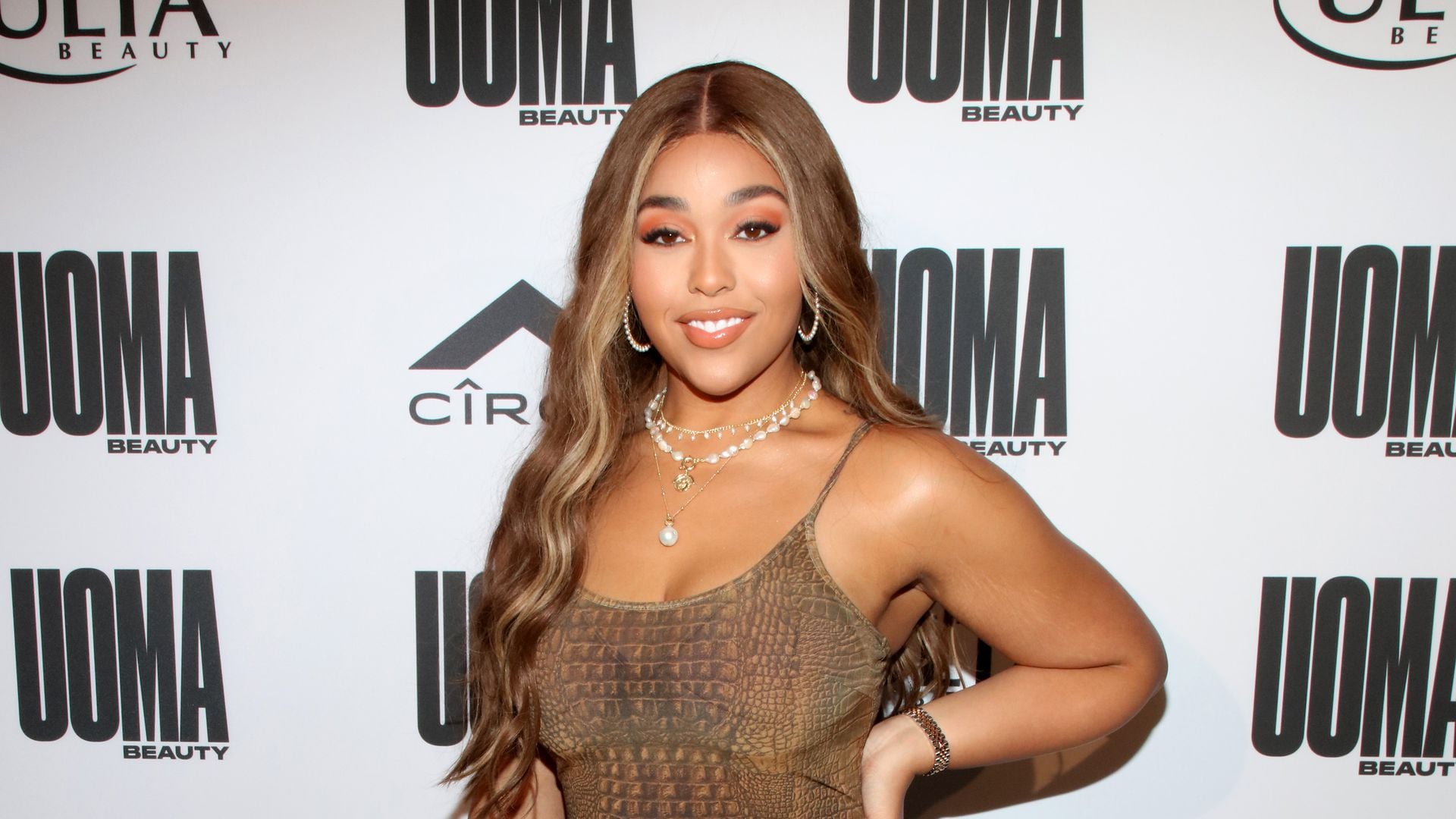
Model and entrepreneur Jordyn Woods has publicly challenged the surging Hollywood trend of using diabetes medications like Ozempic for rapid weight loss. Speaking out on social media and in interviews, Woods criticized the shifting beauty standards that pressure individuals into altering their bodies through pharmaceutical shortcuts, sparking a broader conversation about body-positivity and health transparency in the entertainment industry.
The critique highlights a growing pushback among public figures against the normalization of off-label drug use for cosmetic slimming. As GLP-1 receptor agonists dominate celebrity culture, voices like Woods advocate for natural wellness, body acceptance, and realistic lifestyle changes over quick-fix pharmaceutical solutions.
Jordyn Woods Challenges Hollywood’s Quick-Fix Standards
Jordyn Woods addressed the pervasive nature of weight-loss drugs in the entertainment world, pointing out how rapidly beauty standards shift to accommodate pharmaceutical trends. According to public statements and social media commentary covered by entertainment outlets, Woods emphasized that self-acceptance should take precedence over dangerous aesthetic pressures.
The conversation surrounding medications like Ozempic, Wegovy, and Mounjaro has intensified across Hollywood as red-carpet appearances routinely showcase dramatic, sudden transformations. While pharmaceutical companies developed these treatments to manage type 2 diabetes and chronic obesity under strict medical supervision, their widespread cosmetic adoption has alarmed health advocates and public figures alike.
The Broader Impact on Body-Positivity and Public Health
Medical professionals and cultural commentators have increasingly scrutinized the normalisation of anti-obesity medications for non-clinical use. Critics argue that promoting these drugs as casual diet aids fuels unrealistic body expectations, particularly among young people consuming media dominated by celebrity transformations.
Body-positivity advocates note that trends favoring extreme thinness undermine years of progress toward inclusive representation across fashion, film, and social media. By calling out the Ozempic trend, Woods joins a chorus of cultural figures urging audiences to value holistic health—incorporating balanced nutrition and physical fitness—over unattainable aesthetic ideals driven by pharmaceutical shortcuts.
What Happens Next
As public scrutiny intensifies around celebrity weight-loss methods, industry watchdogs and health organizations continue to monitor the long-term cultural and medical implications of off-label drug use. Future discussions are expected to feature prominently in upcoming pop culture forums, wellness panels, and media interviews as public figures navigate the evolving landscape of modern beauty standards.
We want to hear your perspective on this developing story. Join the conversation by sharing your thoughts in the comments section below, and share this article to keep the dialogue going.
Keep reading