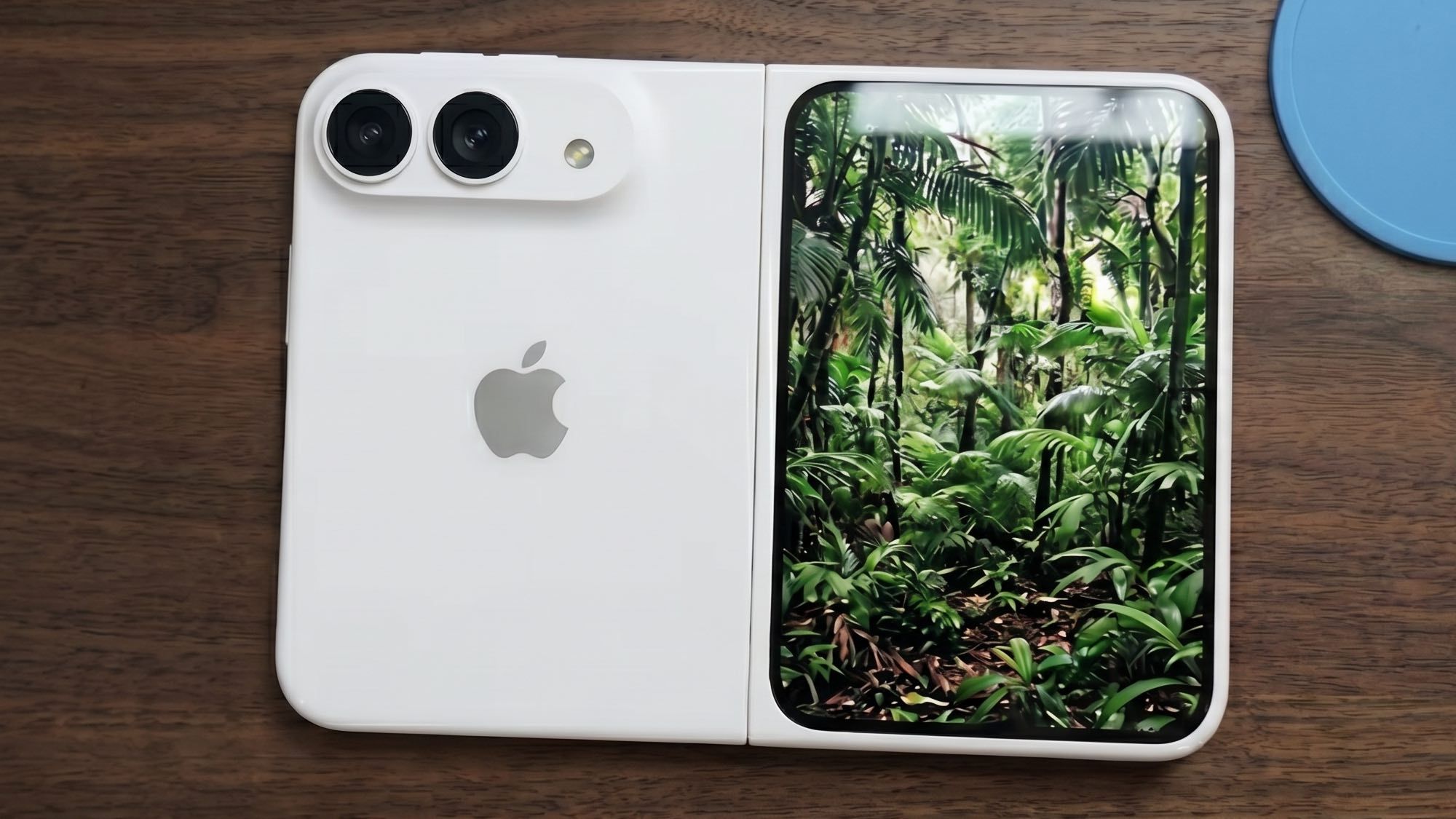
Apple Prepares Foldable Debut for September 2026
Rumors regarding Apple’s first foldable device, frequently dubbed the iPhone Ultra, have circulated for years, but industry reports point toward a late 2026 release window. According to supply chain leaks and insider reports, this anticipated entry into the foldable phone market could shake up a category long dominated by Samsung. If current production schedules hold, the device is projected to debut during Apple’s fall event in September, potentially arriving alongside the iPhone 18 Pro and iPhone 18 Pro Max.
The foldable space has remained a niche segment for nearly a decade, but Apple’s entry could provide the mainstream push needed to alter consumer habits. Analysts tracking component orders note that the device aims to combine an ultra-thin folding form factor with high-end processing hardware. However, retail pricing is projected to be exceptionally high, with early estimates suggesting a starting cost between $2,000 and $2,500 due to rising component expenses and intricate manufacturing requirements.
Passport-Style Layout and Ultra-Thin Chassis
While Apple has not officially confirmed the device, leaked dummy units and supply chain indicators suggest the foldable iPhone will adopt a shorter, wider passport-style layout. This design contrasts with the traditional book-style foldables currently popularized by competitors. Reports indicate that the primary foldable display could measure roughly 7.8 inches, complemented by an exterior cover display measuring about 5.4 or 5.5 inches. When fully open, the chassis is rumored to measure between 4.5mm and 4.8mm in thickness, making it exceptionally thin for a folding hybrid device.
Titanium Build and Crease-Reduction Engineering
Durability remains a core focus for the hardware engineering team. Reports suggest Apple is utilizing a combination of titanium and aluminum for the casing to maintain a low weight—projected between 229 and 240 grams—while preserving structural integrity. Furthermore, industry observers note that engineers have worked to minimize the display crease using advanced hinge mechanisms, ultra-thin glass, and specialized structural adhesives. The target specification aims to keep crease depth under 0.15mm with a wide crease angle to ensure a flat viewing surface.
A20 Processing Power and 12GB RAM Integration
To fully support upcoming Siri artificial intelligence capabilities and multitasking demands, leaks suggest the device will feature at least 12GB of RAM. Power management is rumored to rely on a split battery design totaling approximately 4,883 mAh, distributing power cells across both halves of the folding chassis to maintain balance and thinness.
Horizontal Camera Array and Touch ID Biometrics
On the imaging front, the rear camera array is rumored to house two 48-megapixel lenses arranged horizontally on a raised bar similar to the iPhone Air layout, omitting a dedicated telephoto lens to preserve the slim profile. The exterior cover display is expected to feature a standard hole-punch cutout for a 24-megapixel selfie camera, while the power button will likely integrate Touch ID as biometric security, bypassing Face ID on the outer screen.
Software adaptation will play a vital role as iOS adjusts to dual-screen multitasking and hinge-state detection, referenced in recent beta software builds as “foldstate” and “angledegrees.” These parameters will allow apps to transition smoothly between screens and enable features comparable to Flex Mode. As the fall launch window approaches, consumer attention remains fixed on whether Apple can overcome production hurdles and deliver a polished foldable experience that justifies its premium price tag.
Worth a look