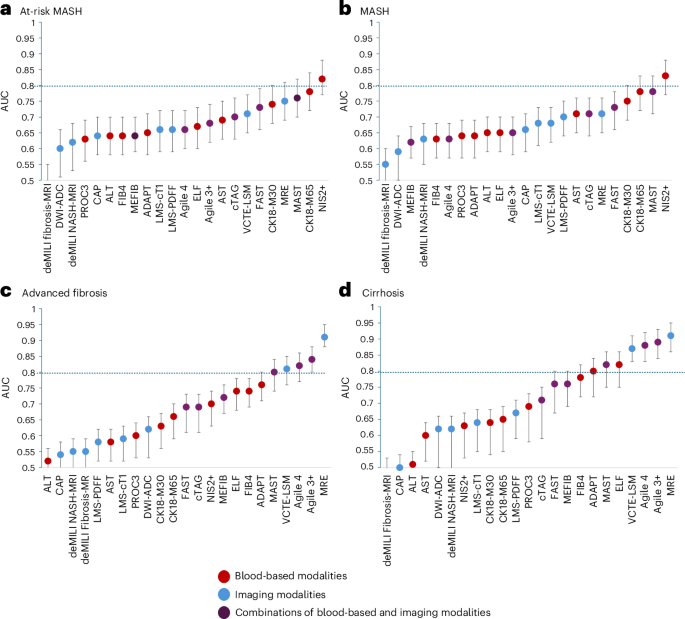
Non-invasive tests for liver fibrosis evaluation in metabolic dysfunction-associated steatotic liver disease offer sufficient diagnostic accuracy to replace liver biopsy histopathology for advanced fibrosis and cirrhosis, according to findings from the LITMUS imaging study. Published in Nature Medicine, the evaluation analyzed non-invasive alternatives for staging liver disease, though researchers noted that current markers lack the precision required to diagnose metabolic dysfunction-associated steatohepatitis (MASH) on their own.
The findings mark a shift for clinicians managing metabolic dysfunction-associated steatotic liver disease, commonly known as MASLD. By demonstrating that elastography and elastography-based composite scores can reliably identify advanced fibrosis and cirrhosis, the LITMUS initiative provides an evidence base for shifting toward non-invasive diagnostic pathways in routine hepatology practice.
According to the study data, imaging-based modalities excelled at quantifying tissue stiffness. Elastography captures these mechanical changes without requiring needle insertion.
Evaluating Elastography Against Histopathology
The LITMUS study sought to define the capabilities and limitations of non-invasive testing compared against traditional histopathological examination of tissue samples. While elastography and its associated composite scoring models proved robust for detecting late-stage architectural damage—specifically advanced fibrosis and cirrhosis—the data revealed a distinct limitation regarding inflammatory activity. None of the evaluated non-invasive markers demonstrated sufficient diagnostic accuracy to isolate and score metabolic dysfunction-associated steatohepatitis (MASH) independently.
Clinical Implications for MASLD Management
Metabolic dysfunction-associated steatotic liver disease affects a share of the population. The validation of elastography within the LITMUS framework provides clinicians with a practical instrument to assess risk efficiently in outpatient clinics.
Healthcare providers and patients seeking further details on metabolic liver disease management and upcoming clinical updates can monitor announcements through major scientific journals and professional hepatology association portals. Clinicians should consult institutional protocols regarding the availability of specific elastography platforms and composite scoring calculators.
Keep reading
- FK Žalgiris UEFA Earnings Revealed: Andrius Tapinas Discloses Club’s Record European Prize Money
- Reusable Water Bottle Hygiene: Are They Dirtier Than a Toilet Seat?
- Michigan Governor Primary Election Results 2026: Live Vote Counts (news-usa.today)
- Datamoo Hair Transplant Reviews & Before/After Results (archynewsy.com)