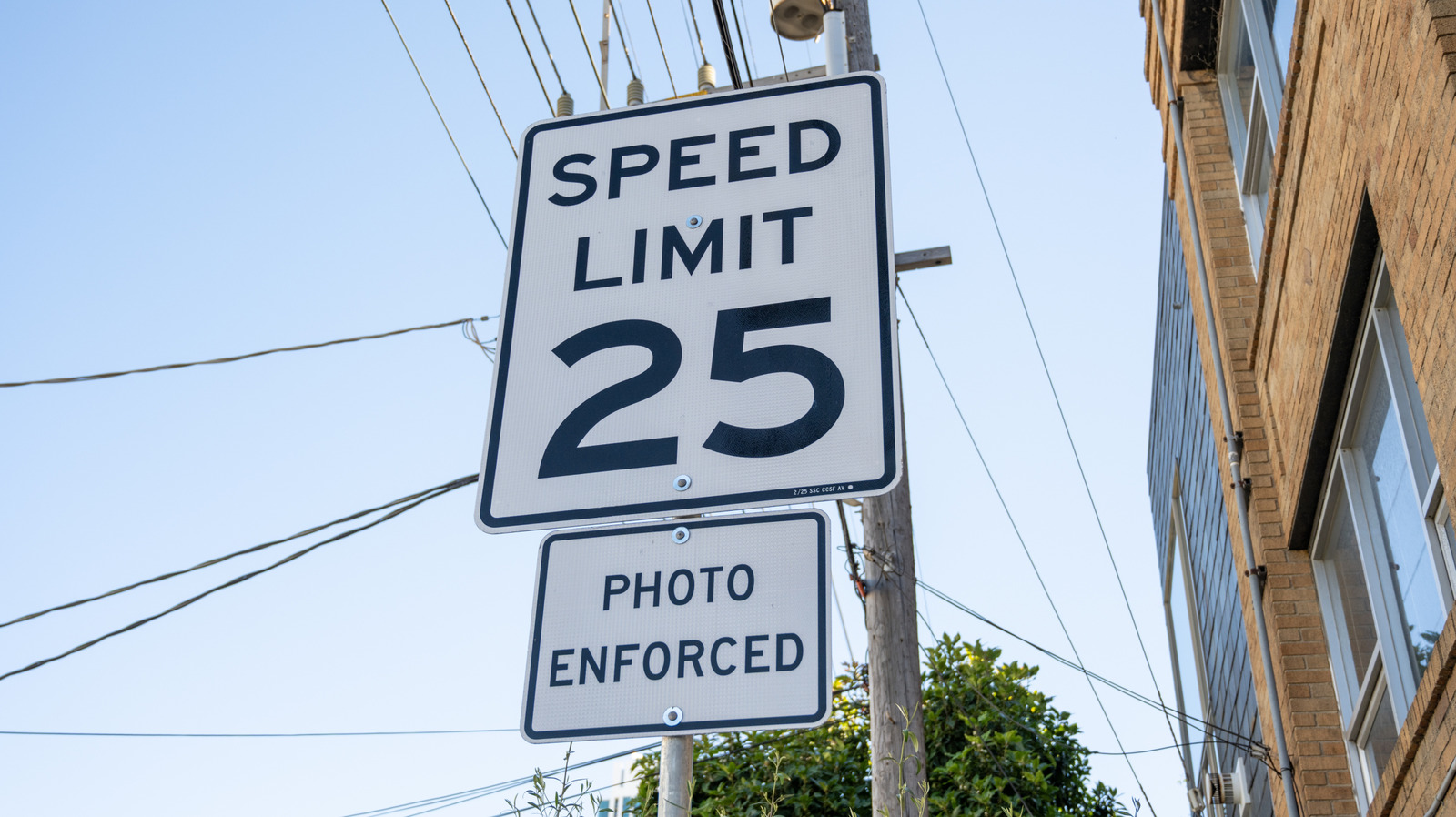
When drivers encounter a speed limit sign marked with the phrase “photo enforced,” the designation indicates that automated traffic enforcement technology is actively monitoring vehicle speeds along that specific stretch of roadway. According to the Insurance Institute for Highway Safety (IIHS), automated speed enforcement systems capture photographic or video evidence of vehicles exceeding posted speed limits, allowing transport and municipal authorities to issue citations by mail. However, the operational reality behind these signs involves far more than a simple roadside camera snapping pictures.
Ticket reviews, mandatory warning signs, grace periods, and driver accountability frameworks vary significantly across different states, counties, and municipalities. While a camera captures the initial infraction, human administrative review, calibration logs, and distinct legal notification processes usually govern whether a citation ultimately reaches a vehicle owner’s mailbox.
Understanding what these signs mean requires a close look at how automated enforcement infrastructure operates on the ground. From the initial detection threshold to the final adjudication process, several legal and technical steps determine how speed camera violations are handled.
How Automated Speed Enforcement Technology Operates
Automated speed enforcement systems typically rely on radar or laser technology embedded near traffic signals or mounted on specialized mobile vans. According to guidance outlined by the Federal Highway Administration (FHWA), these devices continuously measure the speed of passing vehicles. When a vehicle travels above the posted limit—often factoring in a pre-set tolerance threshold—the system triggers a high-resolution camera.
The resulting digital files usually include a photograph of the vehicle’s license plate, a wider shot of the car in context, and recorded data showing the exact timestamp, location, and measured speed. Municipal police departments or contracted private vendors then process this raw data. Unlike a traditional traffic stop where a police officer pulls over a driver immediately, automated enforcement separates the detection of the infraction from the issuance of the penalty by days or even weeks.
Technical verification remains a critical part of this process. Jurisdictions generally require regular calibration testing of radar and laser units to ensure accuracy. If a citation is challenged in court, records of these equipment calibrations often serve as necessary evidence to uphold the violation.
Driver Responsibility and Registered Owner Liability
One of the most complex aspects of a “photo enforced” sign involves who ultimately bears legal responsibility for the resulting ticket. State and local laws dictate whether a penalty attaches to the driver or the registered owner of the vehicle.
In many jurisdictions, automated speed cameras issue civil infractions rather than criminal or moving violations. Because the camera photographs the vehicle rather than positively identifying the driver’s face, many cities and states hold the registered owner strictly liable for the fine, much like a parking ticket. This means points typically are not added to an individual’s driver’s license, and insurance rates may remain unaffected, provided the fine is paid promptly.
Conversely, some regions require photographic proof that clearly shows the face of the person operating the vehicle. If the driver cannot be identified from the photo, the registered owner may be required to submit an affidavit swearing they were not operating the car at the time of the infraction, or naming the actual driver. Driver responsibility laws differ sharply across international borders and municipal lines, making local statutes the definitive guide for liability.
Administrative Reviews, Warnings, and Dispute Processes
Drivers who receive a citation resulting from a photo-enforced zone are rarely left without recourse. Municipalities generally establish formal administrative review processes that allow vehicle owners to contest citations before they are finalized.
Common grounds for successfully disputing an automated speed ticket include stolen vehicles, fraudulent license plates, or proof that the vehicle was being operated by someone else under specific statutory exemptions. Additionally, many states and cities mandate a public awareness or warning period when new speed cameras are installed. During this initial window, motorists caught speeding by the automated system receive formal warning notices instead of monetary fines, a practice intended to alter driver behavior rather than generate immediate revenue.
Official guidelines, dispute forms, and payment portals are typically maintained on municipal court websites or designated city transportation department portals. Motorists seeking to review local regulations or challenge a specific notice should consult their city or county government’s official transit pages for accurate instructions and filing deadlines.
Next Steps for Motorists
Municipalities continually evaluate traffic safety data to determine whether to expand, maintain, or remove automated enforcement zones. Drivers who spot new “photo enforced” signs should check local Department of Transportation announcements for updates regarding active grace periods, fine structures, and scheduled public hearings on traffic safety ordinances. For ongoing updates or to contest a specific notice, check the official website of your local municipal court or transit authority.
Keep reading