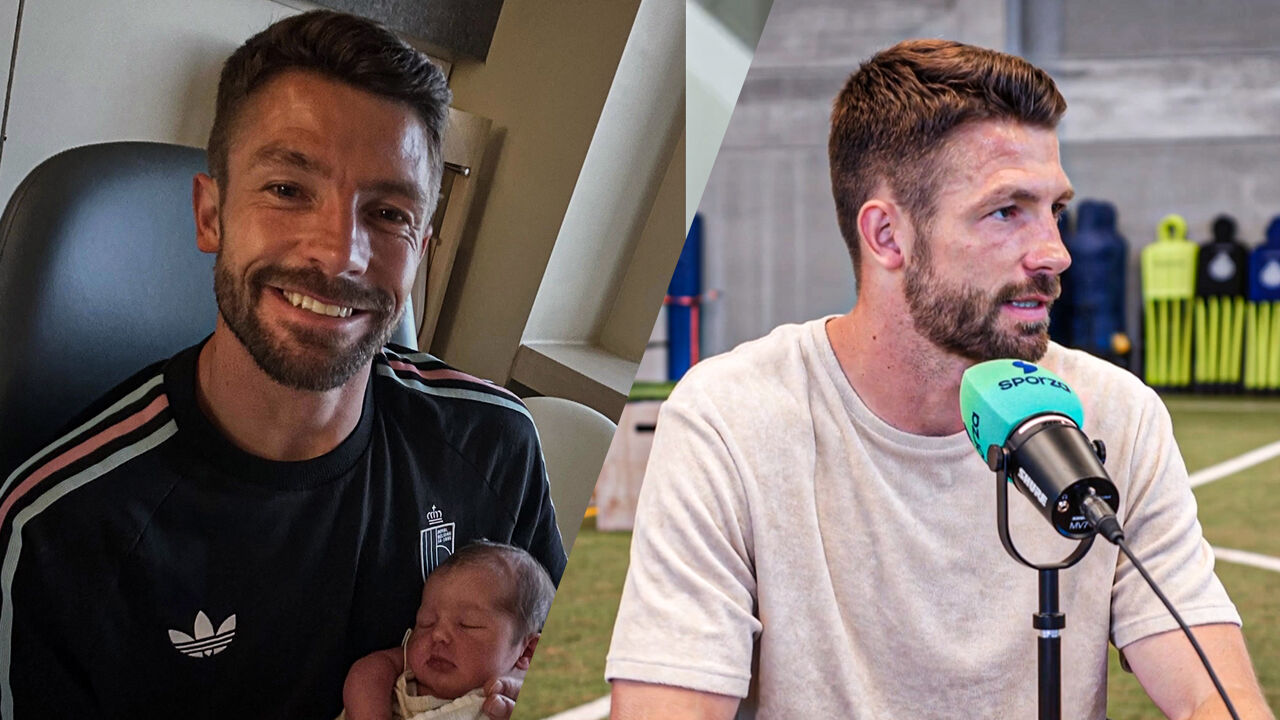
Belgian track cyclist Brandon Mechele described a frantic race against time to reach the hospital for the birth of his daughter, an event that coincided with his preparations for the World Championships. According to reports from Sporza, Mechele received a message from his wife stating “it is starting,” triggering a high-speed trip to ensure he did not miss the delivery.
The incident highlights the personal pressures faced by elite athletes who balance rigorous international competition schedules with family milestones. Mechele, a seasoned competitor in track cycling, detailed the tension of the moment, noting the urgency of the situation as he navigated the commute to the hospital while managing the mental load of his professional obligations.
As a key figure in the Belgian cycling circuit, Mechele’s experience underscores the unpredictable nature of timing in professional sports. The athlete’s account focuses on the emotional shift from the disciplined environment of championship training to the sudden, chaotic reality of impending fatherhood.
The Timeline of Mechele’s Race to the Hospital
The sequence of events began with a sudden notification from his spouse. Mechele recounted that he was in the midst of his routine when the message arrived, signaling that the labor process had officially begun. According to the athlete, the transition from a controlled training state to a state of urgency was immediate.
Mechele described the drive as a “crazy race,” mirroring the intensity he experiences on the velodrome. He emphasized that the primary objective was to arrive at the medical facility before the birth occurred, leading to a focused and rapid transit. The narrative provided by Mechele suggests that the adrenaline of the situation was comparable to the high-stakes environment of a World Championship event.
The timing was particularly sensitive given his status as a “WK-uitblinker” (World Championship standout). For athletes at this level, the period leading up to a major global event is typically characterized by strict adherence to recovery, nutrition, and mental preparation. The sudden interruption of this cycle for a family emergency creates a significant psychological pivot.
Balancing Elite Athletics and Fatherhood
The intersection of professional cycling and family life often requires precise coordination. Mechele’s experience is a documented example of how unexpected personal events can disrupt the rigid timelines of the Union Cycliste Internationale (UCI) calendar. The mental fortitude required to switch from the competitive mindset of a world-class cyclist to the supportive role of a father is a recurring theme in the accounts of veteran athletes.
In the context of Belgian cycling, where the sport holds significant cultural weight, the personal stories of athletes like Mechele often humanize the rigorous demands of the track. The “race” to the hospital serves as a metaphor for the various pressures these athletes face, where the stakes are shifted from podium finishes to family wellbeing.
Mechele’s ability to navigate this situation without compromising his focus on the World Championships speaks to the resilience required in the sport. While the physical demands of cycling are well-documented, the emotional management of such high-stress overlaps is a critical component of an athlete’s longevity and performance.
Impact on World Championship Preparations
The arrival of a child during a peak competition window can introduce variables in sleep, stress levels, and emotional stability. For a cyclist like Mechele, whose performance relies on precise physiological markers and mental sharpness, such a life event is a significant variable.
Despite the frantic nature of the arrival, the outcome was successful. The athlete’s reflection on the event indicates that the joy of the birth outweighed the stress of the journey. This balance is essential for athletes who continue to compete at the highest levels while expanding their family roles.
The Belgian track cycling community has historically seen athletes maintain high performance levels while managing family transitions. Mechele’s transparency regarding the “crazy race” provides insight into the behind-the-scenes reality of the sport, where the most intense moments are not always those spent on the track.
The next confirmed checkpoint for Mechele involves his continued participation and performance metrics in upcoming UCI-sanctioned events. Updates on his competitive standing and race results can be monitored through official Belgian cycling federation announcements.
Share your thoughts on the challenges athletes face when balancing family and sport in the comments below.
Keep reading