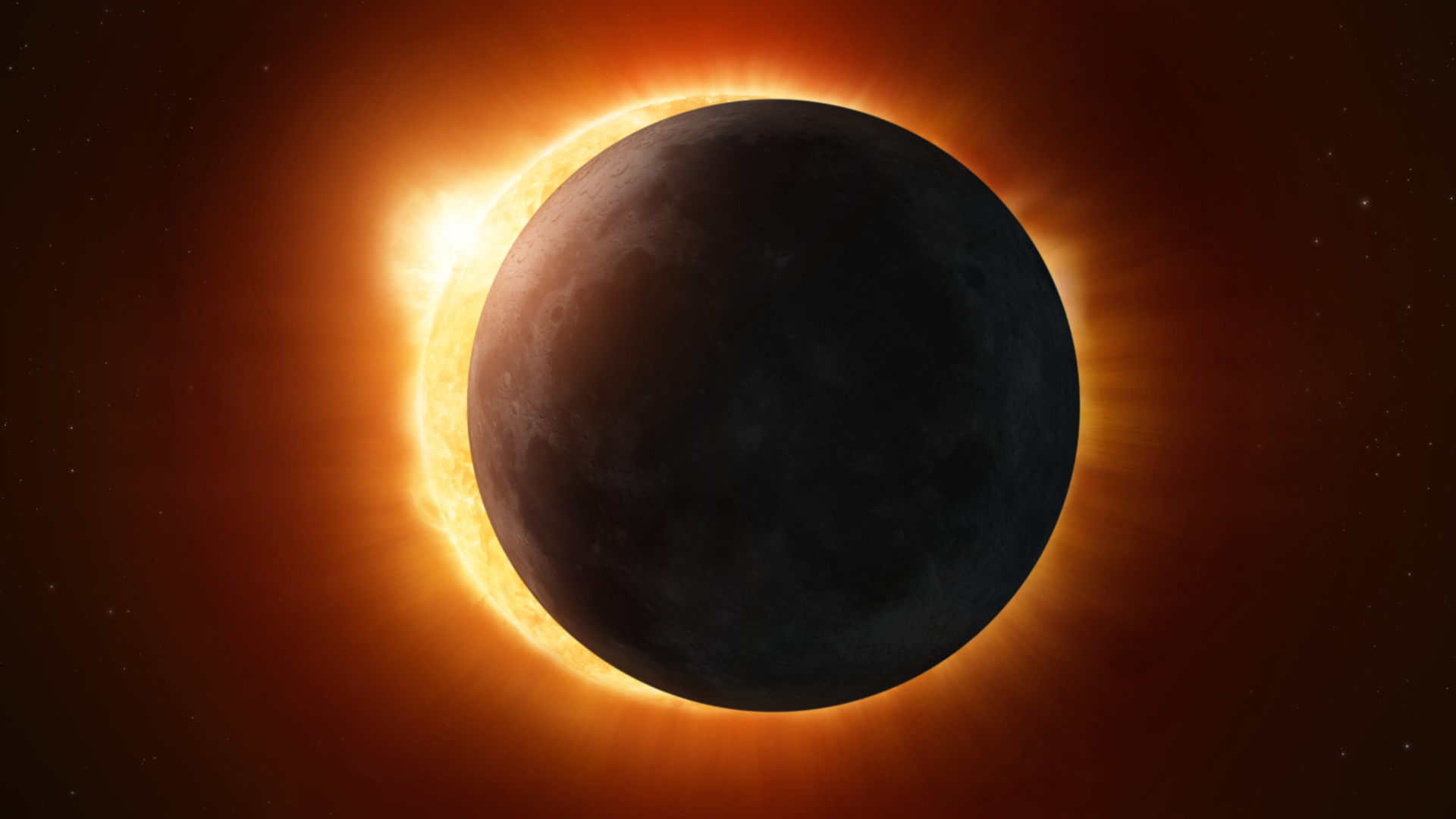
Stargazers and astronomy enthusiasts worldwide are preparing for the upcoming total solar eclipse scheduled for August 12, according to Space. Roughly 15.2 million people across Greenland, Iceland, Portugal, Russia, and Spain will be situated directly in the path of totality, where the moon will completely hide the sun’s disk starting at 12:58 p.m. EDT (1658 GMT), according to data from Time and Date cited by Space. An additional 980 million people—representing approximately 12% of the human population—will experience a partial eclipse.
Global Preparation Underway for the August 2026 Total Solar Eclipse
The August 12 event marks the first total solar eclipse since April 8, 2024, and coincides with the annual Perseid meteor shower, as reported by engadget.com. This particular eclipse also stands out for being longer than usual due to its coincidence with lunar perigee, a point in the moon’s orbit when it comes closest to Earth and therefore appears larger in the sky.
Viewing Locations and Regional Impacts
The path of totality crosses remote parts of the Northern Hemisphere, beginning over Greenland before reaching Iceland and moving across northern Spain, according to forbes.com. Western Iceland and northern Spain offer prime viewing conditions. In Iceland, the full eclipse will last longest in Látrabjargi and will be visible from Reykjavík, Isafjordur, and other western coast cities. In Spain, cities including Bilbao, Burgos, Palma, Santander, Valencia, Valladolid, and Zaragoza will have a full view of the eclipse, as detailed by engadget.com. Additionally, a small sliver of Portugal at the northeast border—specifically Montesinho Natural Park in Bragança—will be in the line of totality, according to engadget.com.
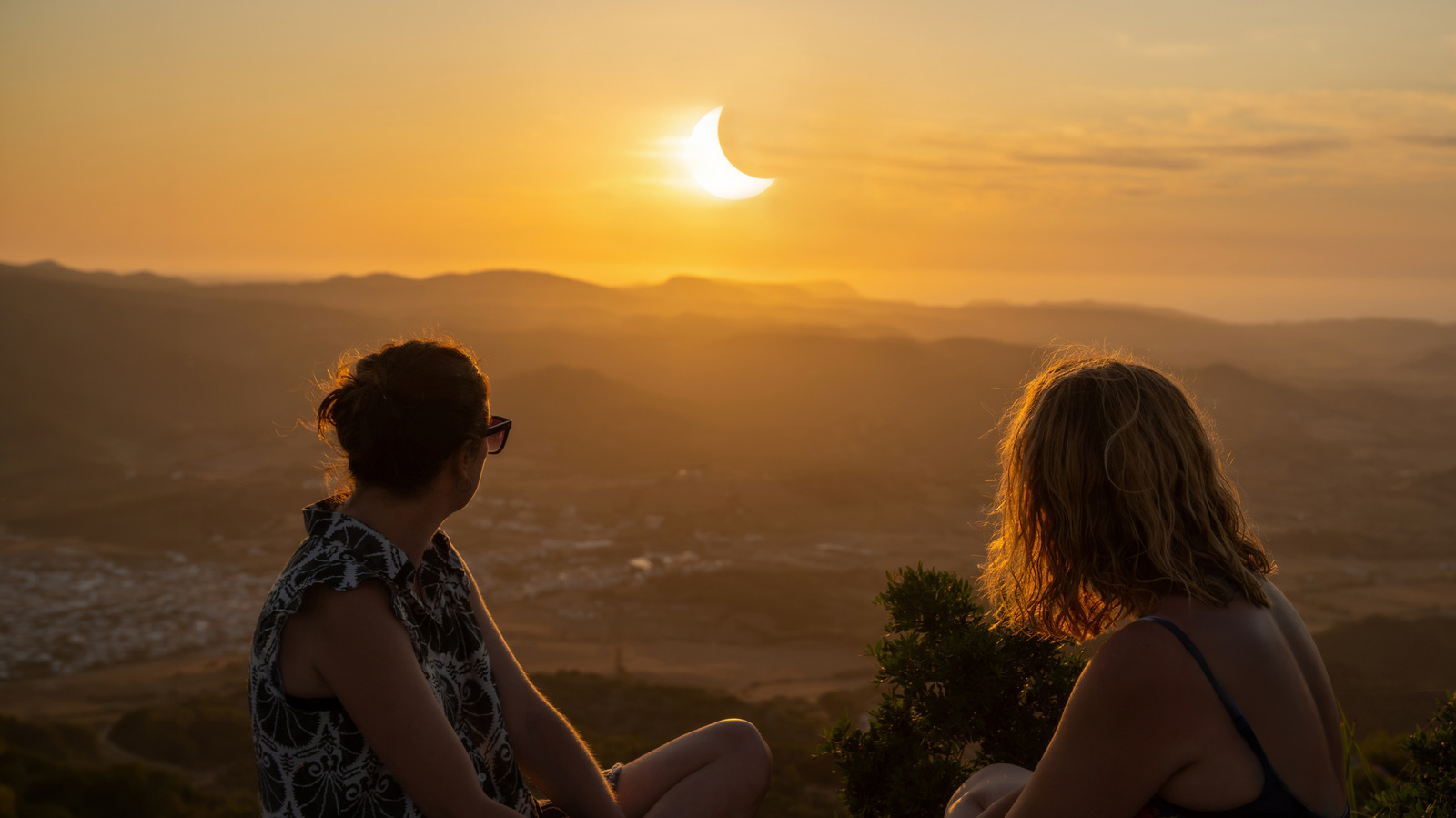
While North America will miss totality, millions across the continent will witness a partial solar eclipse. Viewers in the U.K. and several European countries will see a substantial partial eclipse, with around 90% of the sun’s surface occulted by the moon as it lowers on the western horizon, notes Space.
Scientific Broadcasts and Global Campaigns
Space agencies and organizations are organizing extensive live broadcasts and educational initiatives for the event. NASA is preparing to broadcast the spectacle live, highlighting emotional reactions from eclipse observers in promotional trailers released on its YouTube channel, according to forbes.com. Meanwhile, the European Space Agency (ESA) is hosting a live broadcast from the Observatorio Astrofísico de Javalambre in Teruel, Spain, featuring ESA Director of Science Professor Carole Mundell, scientists Andy To, Miho Janvier, and Martin Hewitson, and observatory director Javier Cenarro, as reported by the European Space Agency.
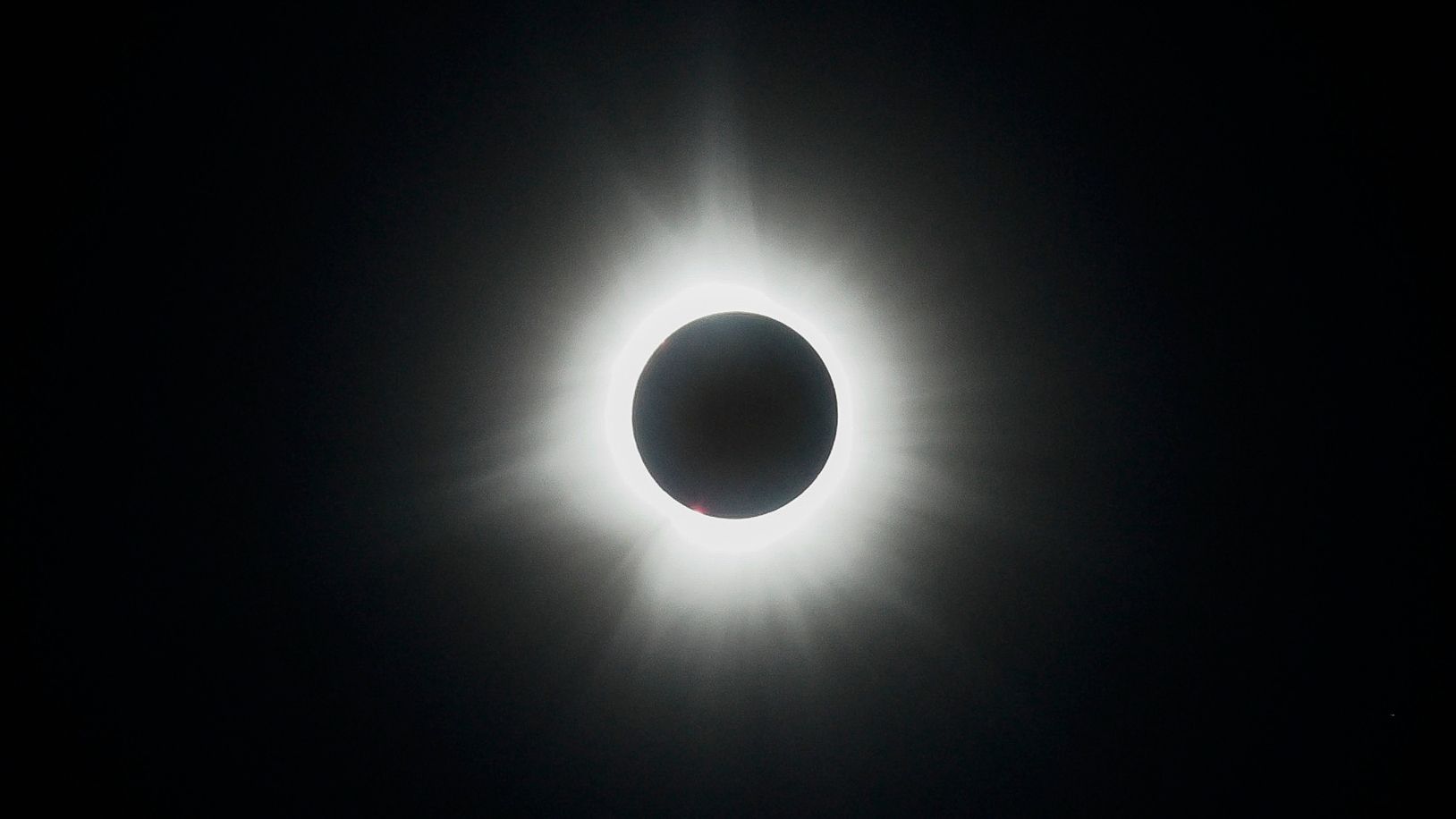
Commercial and educational entities are also engaging audiences worldwide. Shenzhen, China-based photography accessories brand K&F Concept launched a global campaign titled See the Unseen Dark,
featuring a multi-platform broadcast across its official website, YouTube, and Instagram, alongside an international photography competition running from August 12 to September 15, 2026, according to markets.businessinsider.com.
Safety Guidelines and Precautions
Experts emphasize strict safety measures for observing the celestial event. Except during the brief total phase of the eclipse—when the moon completely blocks the sun’s bright face—it is unsafe to look directly at the sun without certified eye protection, according to forbes.com. Standard sunglasses, regular binoculars, and smart sunglasses do not provide sufficient protection and can cause severe, irreversible eye damage or permanent vision loss, as noted by Space and engadget.com.
Related reading