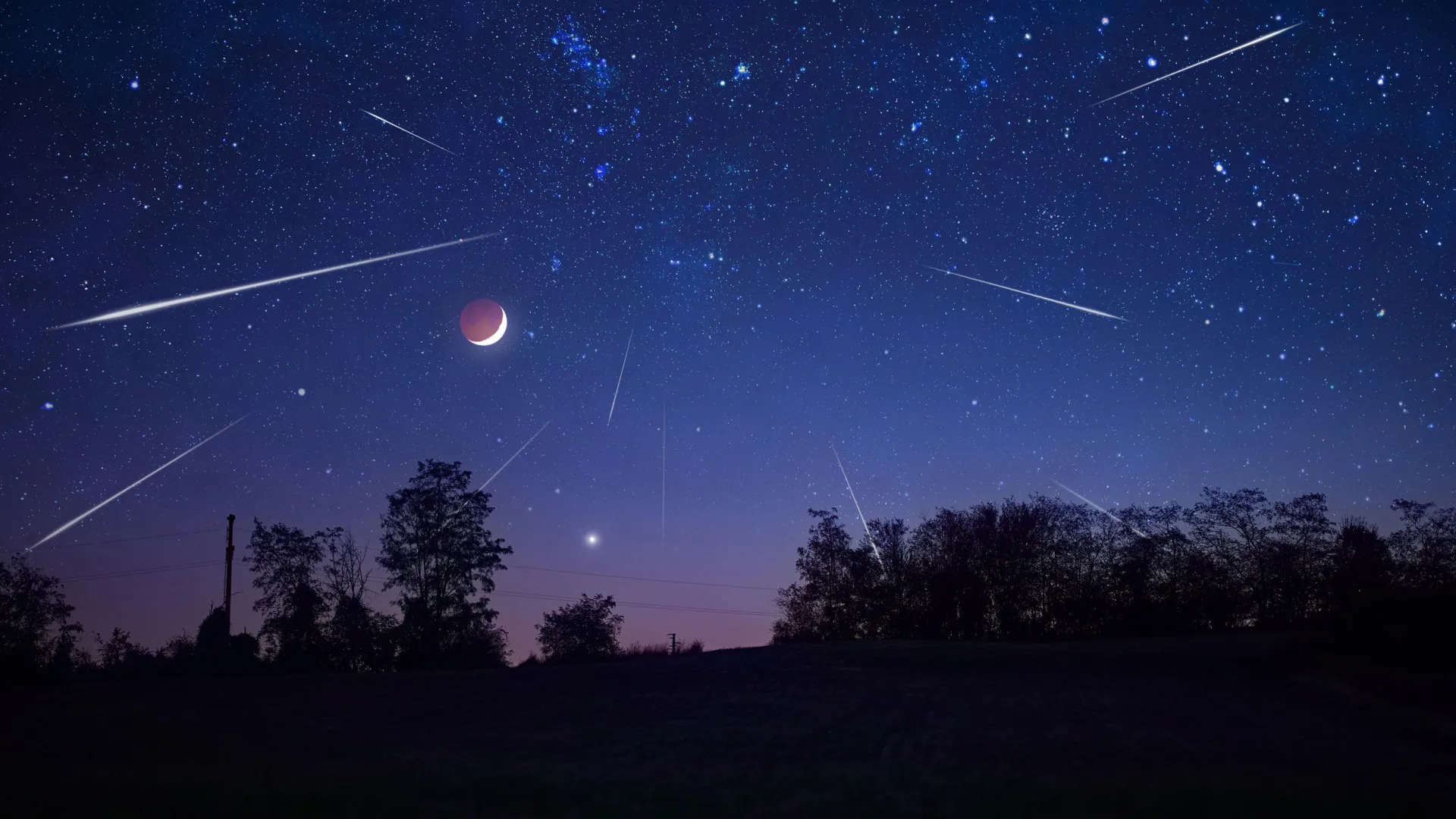
On August 12, 2026, a total solar eclipse, the peak of the Perseid meteor shower, and a six-planet alignment will unfold within the same 24-hour period. The rare triple sky event combines daytime darkness across parts of Europe and Greenland with moonless night skies ideal for stargazing.
An extraordinary calendar alignment is set to draw millions of skywatchers outdoors this summer as major celestial events converge during August 2026. While individual astronomical phenomena follow their own strict orbital schedules, having multiple spectacles overlap on a single calendar date offers a rare double-feature for astronomy enthusiasts around the globe.
Total Solar Eclipse Crosses Greenland, Iceland, and Northern Spain on August 12
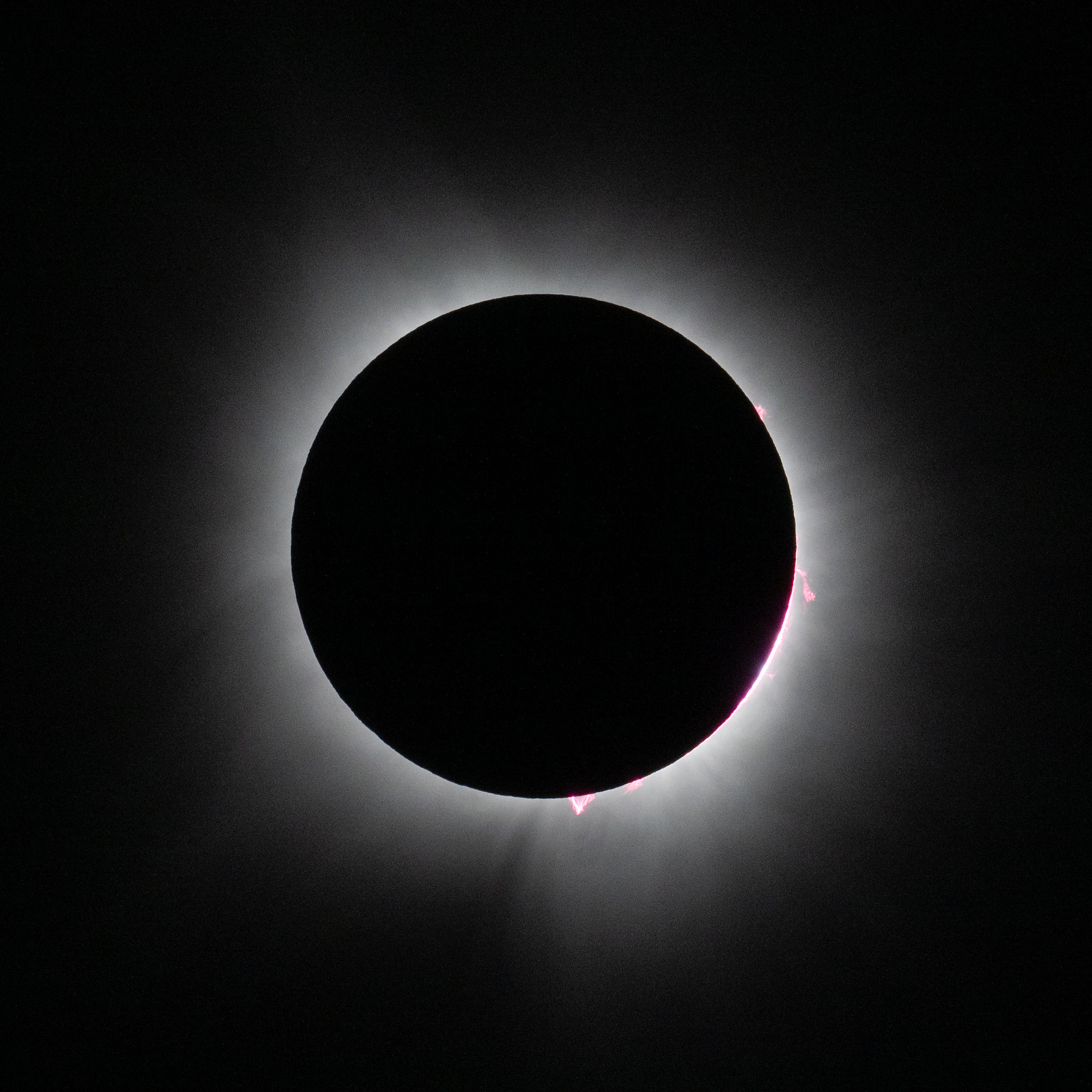
The centerpiece of the month arrives on Wednesday, August 12, when a total solar eclipse traces a narrow path across parts of Greenland, Iceland, northern Russia, the Atlantic Ocean, Spain, and a small corner of Portugal. According to the National Geographic Institute of Spain, the eclipse will cross mainland Spain at sunset, providing maximum totality in cities such as A Coruña, León, Bilbao, Zaragoza, València, and Palma according to the outlet reported details. In A Coruña, the maximum eclipse peaks at 20:28 Central European Summer Time with the Sun sitting 12 degrees high, delivering 76 seconds of totality.
For viewers outside the narrow path of totality, millions across Europe, Canada, and parts of the northern United States—stretching from Alaska down to North Carolina—will experience a partial solar eclipse. NASA plans to stream live views from across the path of totality while conducting airborne science experiments using a WB-57 high-altitude research aircraft to study the solar corona. Simultaneously, the Nationwide Eclipse Ballooning Project will deploy university student teams to Iceland and Spain to launch scientific balloons investigating how sudden atmospheric darkening alters Earth’s atmosphere.
Saros 126 and the Predictable Geometry of Solar Eclipses
Dr. Frank Maloney, associate professor of Astrophysics and Planetary Science at Villanova University, explains that saros series typically contain between 70 and 73 eclipses spanning 1,200 to 1,300 years.
“New saros series are always coming into being, and old ones fading from existence. While they are here, they usually have between 70-73 eclipses over a span of 1,200-1,300 years.”
Frank Maloney, Associate Professor of Astrophysics and Planetary Science at Villanova University
Because Earth rotates an additional 120 degrees during each 18-year, 11-day, eight-hour saros cycle, the geographic viewing track shifts significantly with each recurrence, returning to a similar region roughly every 54 years in an exeligmos.
Perseid Meteor Shower Peaks Under Moonless Skies
Later on the evening of August 12 and into the early morning of August 13, the annual Perseid meteor shower reaches its peak. Because the new moon phase coincides exactly with the date, the night sky will remain free of lunar glare as Earth passes through debris left behind by Comet 109P/Swift-Tuttle.
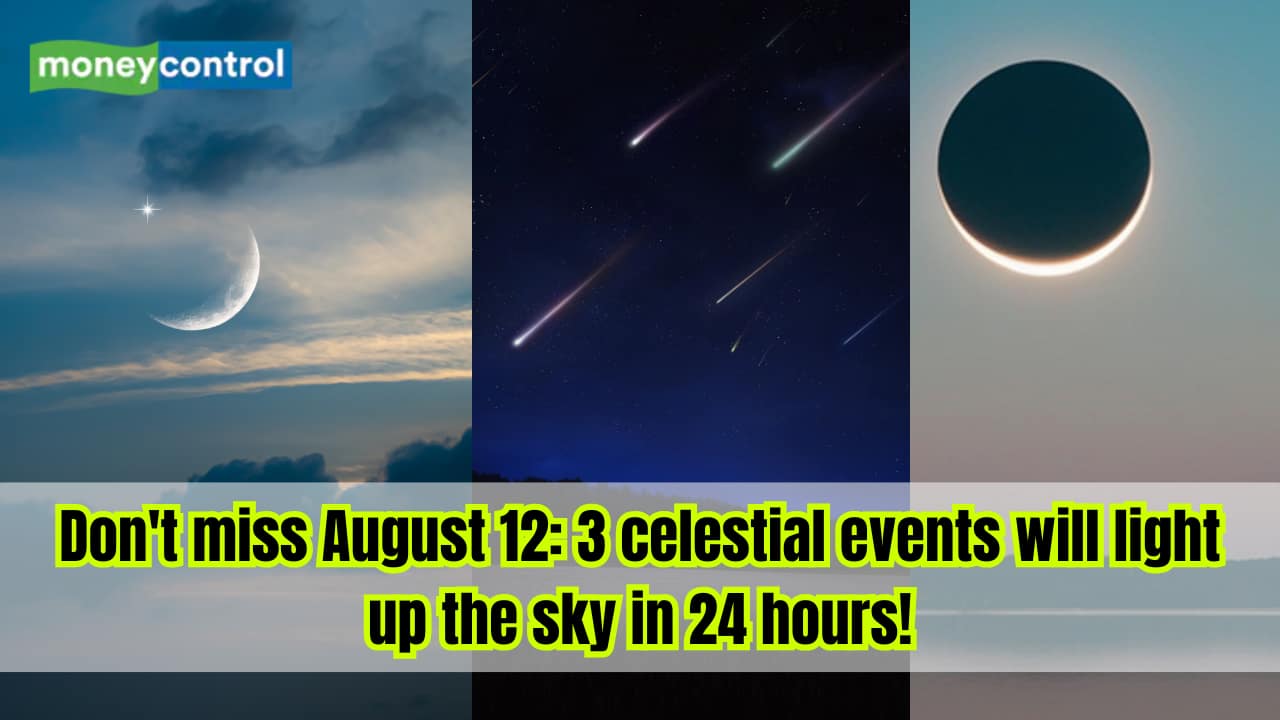
Under dark, clear conditions away from artificial lights, observers can expect a zenithal hourly rate of up to 100 meteors as tiny comet particles enter the atmosphere at tremendous speeds, heating up and leaving brilliant streaks across the sky.
A Rare Six-Planet Alignment Completes the Day
Adding a third distinct astronomical layer to the date, a six-planet parade will stretch across the pre-dawn sky on August 12. Jupiter, Mercury, Mars, Uranus, Saturn, and Neptune will position themselves above the horizon, offering an early morning planetary display before the solar eclipse unfolds later that evening.
While Mars and Saturn are bright enough to spot with the naked eye, observers will need binoculars or a telescope to locate Uranus and Neptune in the twilight.
Worth a look
- AMD Q2 2026 Financials: Record $11.5B Revenue Driven by Data Centers as Gaming Drops
- James Webb Telescope Reveals How Triton Destroyed Ancient Worlds to Create Neptune’s Moons
- Scientists and Volunteers to Study August 12, 2026 Total Solar Eclipse (archyworldys.com)
- August 2026 Sky: Sturgeon Moon, Partial Lunar and Total Solar Eclipses (time.news)