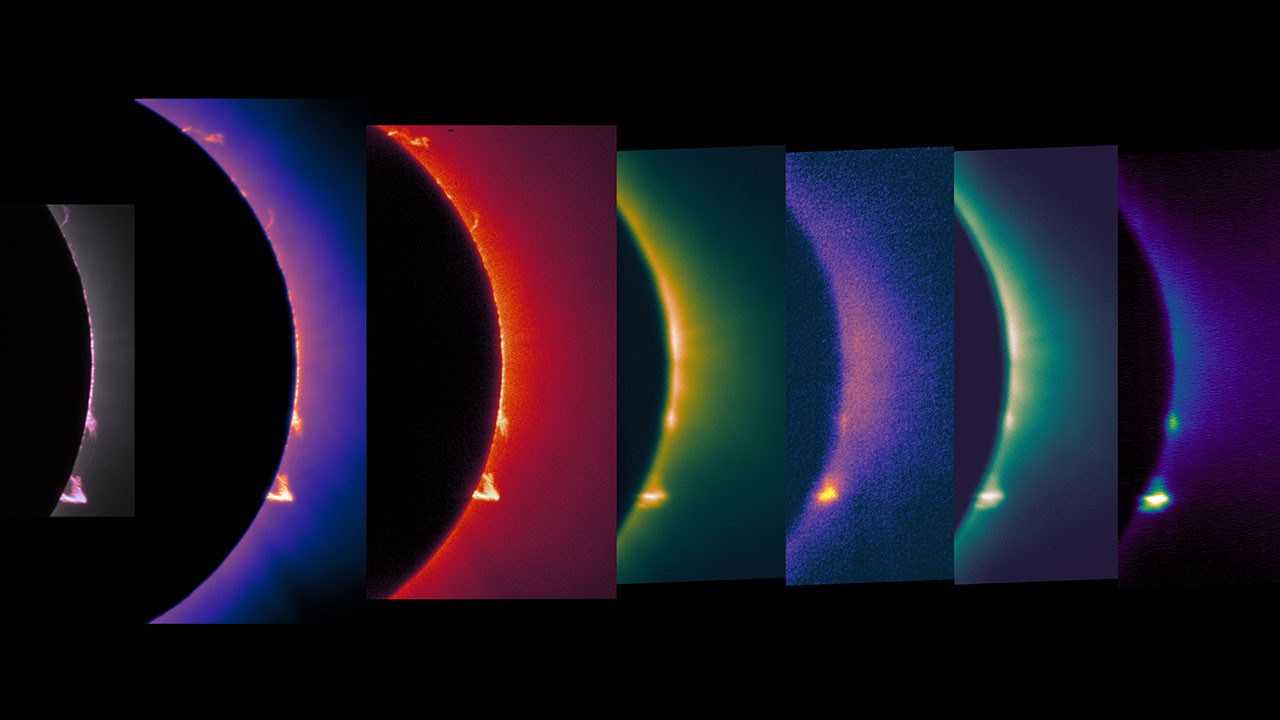
On August 12, 2026, the Northern Hemisphere will experience a dramatic total solar eclipse crossing Greenland, Iceland, and Spain, while the UK witnesses a partial solar eclipse, with the Moon hiding up to 96% of the Sun as NASA science teams deploy high-altitude research aircraft to study the corona.
Skywatchers across parts of Europe, North America, and northwestern Africa are preparing for a major astronomical event as a total solar eclipse sweeps across the Northern Hemisphere on Wednesday, August 12, 2026. While totality will be visible along a narrow path crossing Greenland, Iceland, northern Russia, the Atlantic Ocean, Spain, and a small corner of Portugal, millions of people outside that path will experience a substantial partial solar eclipse.
The celestial alignment marks a rare alignment for observers in the United Kingdom. Astronomers note that deep partial eclipses of this scale are uncommon in British skies, with the last comparable event occurring in 1999 and the next similarly impressive display not scheduled until September 3, 2081, followed by a total eclipse in 2090.
UK Visibility and Where to Watch the Partial Eclipse
Despite the high percentage of coverage, Gallaway emphasized that the late-day event will not cause full nightfall.

“From the UK, you will see the Moon slowly cover the Sun until it is 89-96% covered, depending on where you.”
Mark Gallaway, Fellow of the Royal Astronomical Society and Lecturer for the Royal Observatory Greenwich
The maximum phase of the eclipse is forecast to occur between 7:05 p.m. and 7:16 p.m. as the Sun sinks low in the western sky. Because the solar disk will be positioned close to the horizon, visibility changes rapidly across the country, and a small geographic shift further south or west yields a noticeably larger bite out of the Sun.
Specialists advise that securing a clear line of sight toward the western horizon is the primary requirement for viewers. Recommended vantage points for maximizing the spectacle include the Isles of Scilly, Land’s End, Cape Cornwall, Hartland Point in Devon, Strumble Head in Pembrokeshire, South Stack in North Wales, and Neist Point in Scotland.
NASA Airborne Missions and Balloon Experiments Along the Path of Totality
While the public watches from shorelines and hills, researchers will utilize the temporary darkness to study solar dynamics and atmospheric shifts. NASA-funded science teams are mobilizing high-altitude aircraft and scientific balloons to investigate the Sun’s corona and its influence on Earth.
Kelly Korreck, eclipse program manager at NASA Headquarters in Washington, highlighted the unique scientific advantages provided by the eclipse. From our unique perspective on Earth during a total solar eclipse, scientists can study the Sun’s corona in a way we can’t from anywhere else in the solar system,
Korreck stated.

To extend observation time beyond the brief two minutes and 18 seconds available on the ground, a NASA WB-57 high-altitude research aircraft will chase the Moon’s shadow at 460 miles per hour from an altitude of 50,000 feet. Operating above cloud cover, the jet carries the SCIFLI Multispectral Airborne Imager (SAMI) instrument, developed at Langley Research Center. The camera suite will capture at least 20 high-resolution images per second in visible and infrared wavelengths, helping researchers examine how the corona is heated to nearly a million degrees and how solar wind forms.
Principal investigator Amir Caspi of the Southwest Research Institute in Boulder, Colorado, noted that every eclipse is different
and that his team has upgraded exposure settings and data-processing software following previous campaigns during the April 2024 eclipse.
Simultaneously, the Nationwide Eclipse Ballooning Project, led by Angela Des Jardins at Montana State University, will deploy university students to launch scientific balloons in Iceland and Spain. In Iceland, two teams plan to launch 80 balloons starting 18 hours before the eclipse and continuing eight hours afterward to record how rapid solar darkening alters Earth’s boundary layer.
Safety Guidelines and Live Broadcast Schedules
Astronomers have issued strict safety warnings regarding optical equipment. Experts reiterate that looking directly at the Sun with the naked eye is never safe, and standard sunglasses do not provide adequate protection. Viewers are advised to use certified eclipse glasses costing only a few pounds. Gallaway cautioned against using binoculars, telescopes, or other optical devices unless users possess professional expertise.
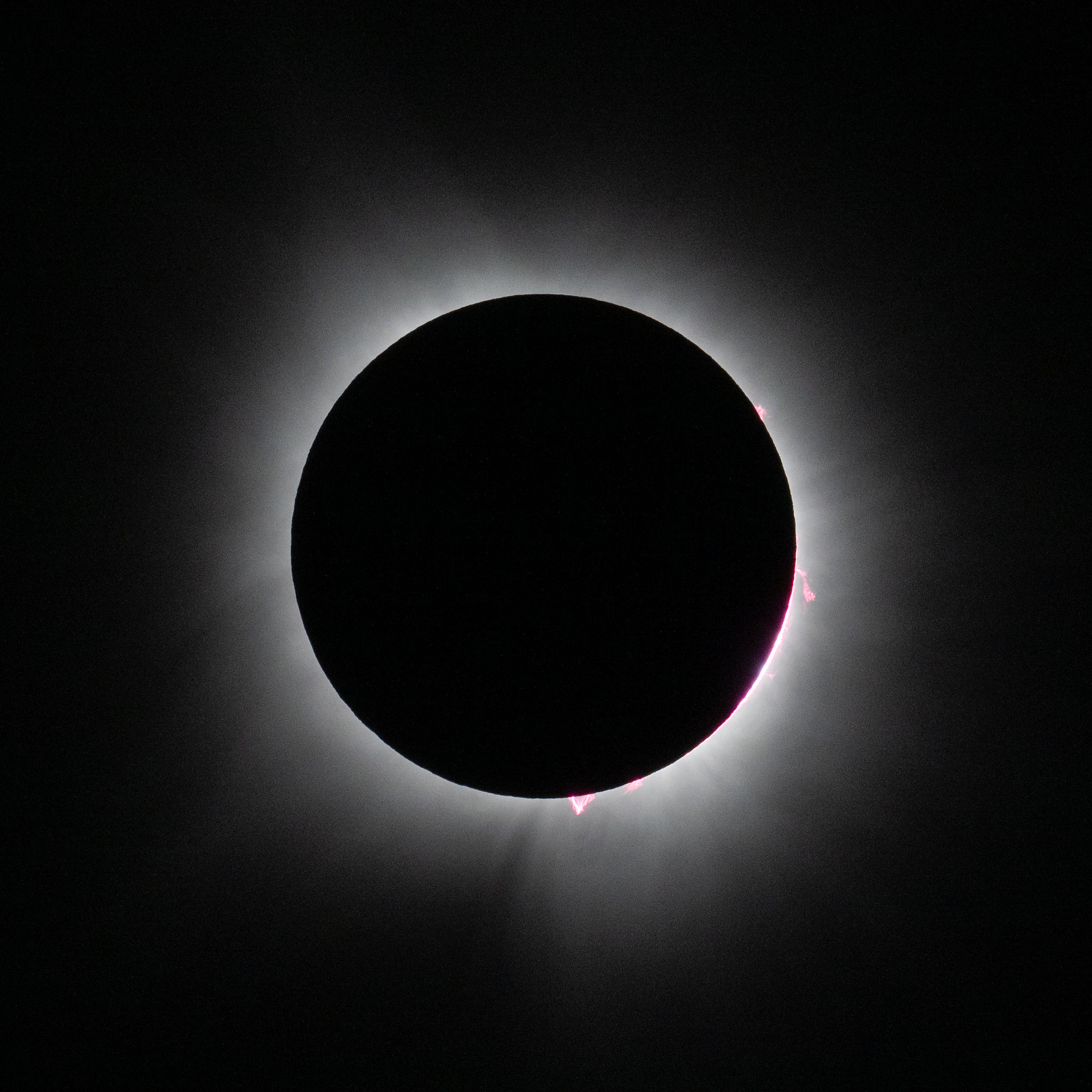
For audiences unable to view the celestial alignment outside, NASA has scheduled a live broadcast beginning at 1:15 p.m. Eastern Time on Wednesday, August 12. The stream will feature multi-platform video feeds across the path of totality—with totality beginning in Iceland at 1:45 p.m. Eastern and in Spain at 2:28 p.m. Eastern—alongside expert commentary and participant Q&A sessions hosted across official social media channels.
Related reading