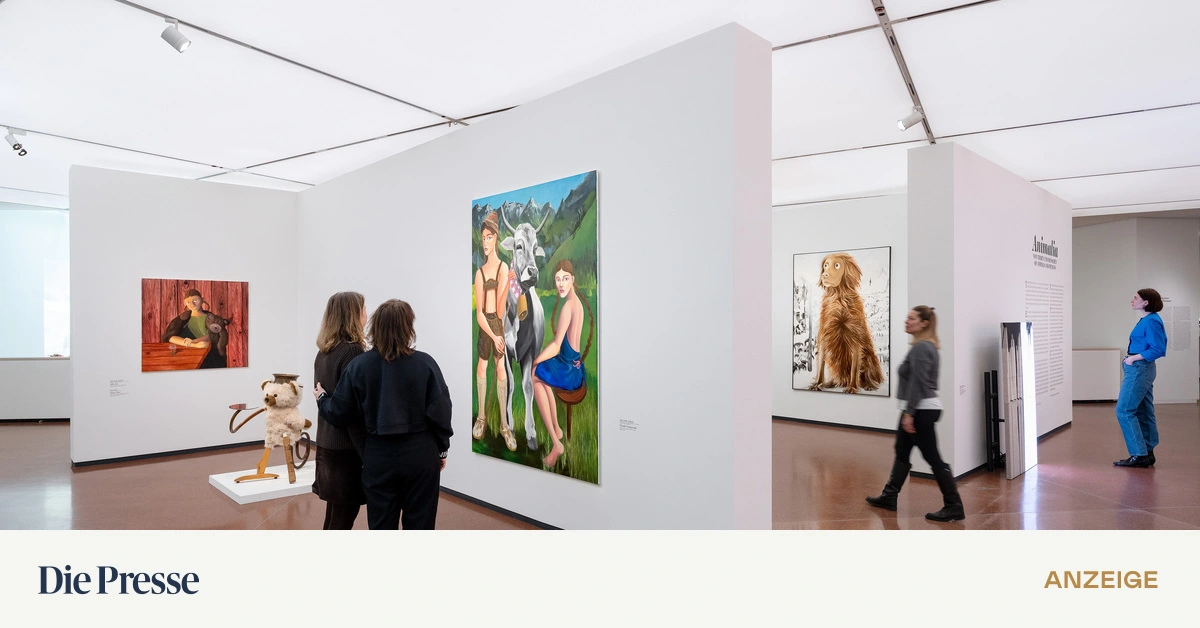
The cultural shifting ground of human coexistence with the natural world takes center stage in Vienna as contemporary exhibitions examine what non-human species communicate about modern society. Cultural institutions and contemporary art spaces are increasingly turning their focus toward ecological narratives, using installations and interdisciplinary displays to question humanity’s dominion over the environment and the ethical frameworks guiding our treatment of other living beings.
As urban sprawl encroaches further into natural habitats and global biodiversity faces unprecedented pressure, artistic explorations offer critical lenses through which audiences can re-evaluate their daily choices. These exhibitions bridge the gap between hard scientific data and emotional resonance, transforming abstract environmental crises into tangible, thought-provoking aesthetic encounters that challenge viewers to confront their own complicity in ecological decline.
Observers note that the urgency driving these creative projects stems from a broader cultural reckoning regarding climate change and mass extinction events. By spotlighting creatures ranging from apex predators to overlooked urban fauna, curators aim to dismantle anthropocentric worldviews and foster a deeper, more empathetic understanding of ecological interdependence across international communities.
The Evolution of Ecological Art in European Cultural Centers
Contemporary curators across European institutions are shifting away from traditional nature photography toward immersive installations that incorporate bio-art, soundscapes, and interactive elements. This methodological evolution reflects a growing recognition that passive observation no longer suffices in an era defined by rapid environmental transformation. Artists collaborate closely with biologists, ethicists, and anthropologists to ensure their works reflect accurate ecological realities while maintaining powerful narrative impact.
In municipal galleries and independent project spaces, visitors encounter exhibitions designed to disrupt conventional hierarchies between humans and animals. These displays often utilize reclaimed materials, living organisms, and cutting-edge digital mapping to recreate ecosystems under stress. The intention is not merely to aestheticize nature, but to confront museum-goers with the uncomfortable realities of habitat loss, industrial farming, and the commodification of wildlife.
Art historians emphasize that this movement draws inspiration from historical traditions of natural history illustration and romantic landscape painting, yet diverges sharply by introducing political and ethical urgency. Where past generations viewed wilderness as a resource to be harvested or a spectacle to be admired from a distance, contemporary creators frame ecosystems as complex networks demanding urgent protection and fundamental shifts in human behavior.
Societal Impact and the Public Response
Public engagement with ecological exhibitions has surged in recent years, driven by heightened awareness of environmental degradation and climate anxiety among younger demographics. Educational programs accompanying these displays often include workshops, panel discussions, and guided tours designed to translate artistic metaphors into actionable civic participation. Local authorities and cultural foundations frequently support these initiatives, recognizing art’s unique capacity to inspire dialogue across political and generational divides.
Critics and cultural commentators point out that while these exhibitions successfully raise awareness, they also prompt difficult questions about the role of cultural institutions in sustainability. Museums themselves generate considerable carbon footprints through international shipping of artworks, climate control systems, and visitor travel. Consequently, many leading galleries are adopting stringent eco-friendly operational standards to align their internal practices with the environmental messages promoted in their exhibition halls.
Despite these operational challenges, the resonance of animal-focused art remains potent. By placing non-human subjects at the center of cultural discourse, these projects compel societies to examine the ethical boundaries of coexistence. They ask a fundamental question that underpins modern philosophy and science alike: how can humanity redefine its place on Earth before the options for correction vanish entirely?
Next Steps and Institutional Schedules
Cultural organizations planning upcoming programming in the arts and environmental sectors continue to announce related symposia and public forums throughout the academic and exhibition calendar. Visitors interested in engaging with these ongoing dialogues can consult institutional websites for updated scheduling on lectures, artist talks, and specialized guided viewings associated with current ecological showcases.
Worth a look