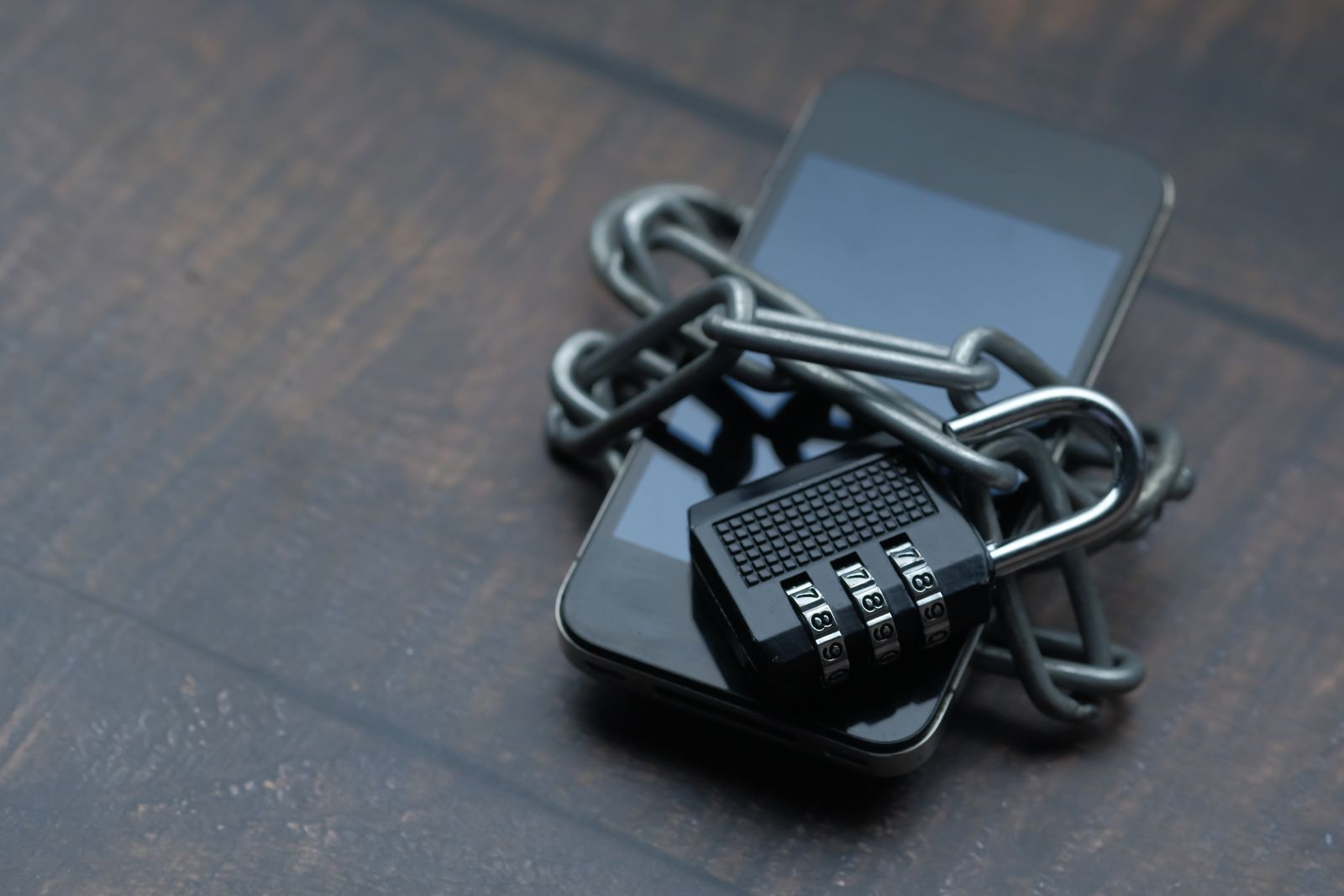
When you tap send on an end-to-end encrypted messaging app, the contents of your chat remain protected from the company running the service, but the digital envelope carrying that message tells a detailed story. The metadata—including who you talk to, when you communicate, and how often you exchange messages—remains legible to service providers, creating the quiet compromise behind every “your messages are secure” promise.
Understanding the distinction between message content and communication metadata is essential for evaluating digital privacy today. While encryption algorithms scramble the text so that unauthorized actors or the hosting platform cannot read what you write, the digital logistics required to deliver that data leave a distinct trail. In this report, we examine what metadata collects, why tech companies retain these logs, and how users can better understand their digital footprint.
The Mechanics of Metadata Versus Content
End-to-end encryption ensures that only the communicating devices possess the cryptographic keys needed to decode a message.
Why Service Providers Retain Connection Logs
Operational necessity, however, often intersects with commercial incentives.
Evaluating Your Digital Footprint
For everyday users, recognizing the limitations of encryption helps temper expectations regarding total digital invisibility. While end-to-end encryption successfully prevents eavesdropping on the contents of your conversations, it does not guarantee anonymity from the network operator.
Security experts recommend several practical steps for individuals seeking enhanced privacy:
- Review the privacy policies and transparency reports of your messaging providers to understand what specific metadata is retained.
- Utilize applications that explicitly commit to minimal data logging and open-source verification.
- Exercise caution with cloud backups, as standard backups of encrypted chats are often stored without end-to-end encryption unless explicitly configured otherwise.
We encourage readers to share their thoughts and experiences with digital privacy tools in the comments section below.