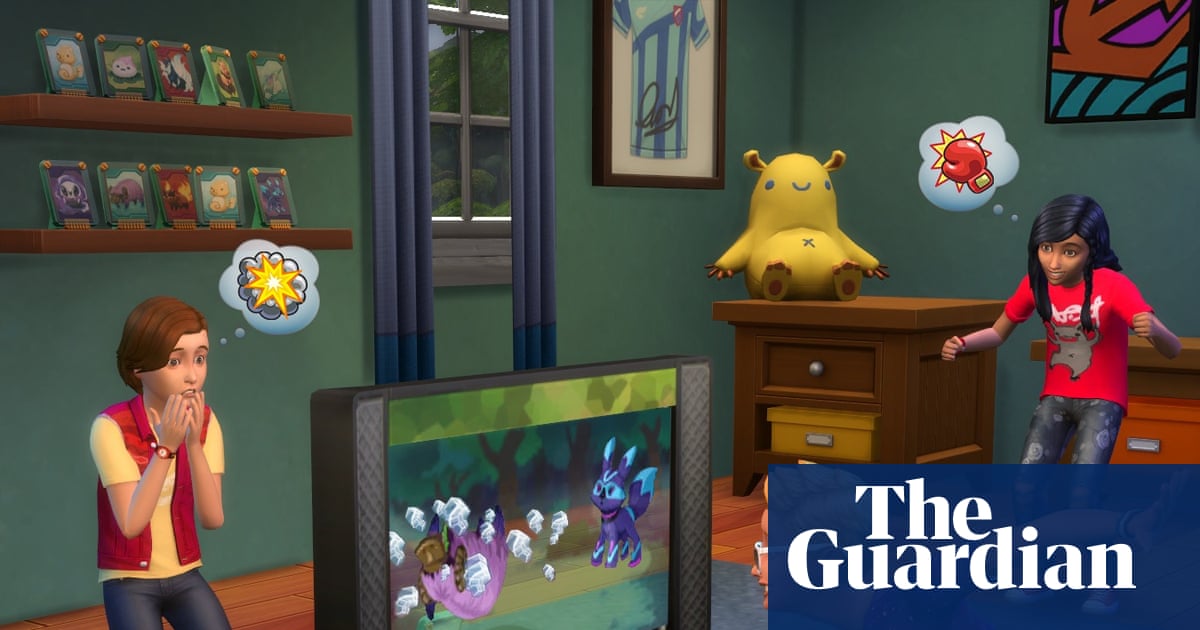
The deal, completed on August 5, 2026, involves the Public Investment Fund (PIF), Affinity Partners, and Silver Lake, transitioning the firm to private ownership. The transaction, first announced in September 2025, required regulatory approvals, including the European Union’s final clearance, and was approved by EA stockholders in December 2025.
As a private entity, the company will no longer be required to report quarterly financial results. This debt will be taken on by EA, raising concerns among analysts about potential cost-cutting measures. Bloomberg’s Jason Schreier speculated that the debt burden could lead to mass layoffs, more aggressive monetization, and other big cost-cutting measures
for one of the industry’s largest companies.
Video game maker EA bought by Saudi-led group for
The Saudi Arabian Public Investment Fund (PIF), led by Deputy Governor and Head of International Investments Turqi Alnowaiser, has been a minority investor in EA for over five years. Alnowaiser emphasized the fund’s understanding of EA’s massive global sports and gaming franchises, and iconic IP,
stating that entertainment and sports are key strategic priorities for PIF. The consortium also includes Affinity Partners, a private equity firm led by Jared Kushner, and Silver Lake, whose CEO Egon Durban highlighted the group’s commitment to investing heavily in EA’s growth, including what AI can do to enhance game development.
Saudi-led group completes $55bn purchase of gaming giant EA
The Saudi royal family has long pursued investments in gaming and esports, with Crown Prince Mohammed bin Salman known for his interest in video games. Meanwhile, industry observers have expressed concerns about the potential impact of private equity ownership. Christopher Dring, editor-in-chief of the Game Business, noted that private equity firms typically adopt a very hands-on approach,
which could influence EA’s strategic direction. Shams Jorjani, CEO of Arrowhead Game Studios, warned that the deal might lead to “consolidation” and a shift toward more sequels, more mega-franchises
at the expense of EA’s diverse portfolio of titles.
Gamer reactions to the deal have been polarized. On the Games Subreddit, users expressed skepticism about the new ownership’s impact on creativity and business practices. One user declared, That is the last time I will ever buy an EA game,
while another urged the sale of IP like Dragon Age and Mass Effect
to devs who deserve it.
Others voiced concerns about the independence of studios such as Respawn Entertainment, with one commenter stating, I doubt EA is gonna be pumping out anything but Battlefield and sports games.
EA's $55bn Saudi-led buyout is complete
The deal’s structure has also drawn scrutiny. This financial model has raised questions about EA’s ability to manage debt obligations while maintaining its market position. The company’s transition to private ownership removes it from public shareholder oversight, a shift that could alter its long-term strategy. EA’s flagship franchises, including EA Sports FC, Battlefield, and Mass Effect, remain under the new ownership structure, though the company has not yet outlined specific plans for their future development.
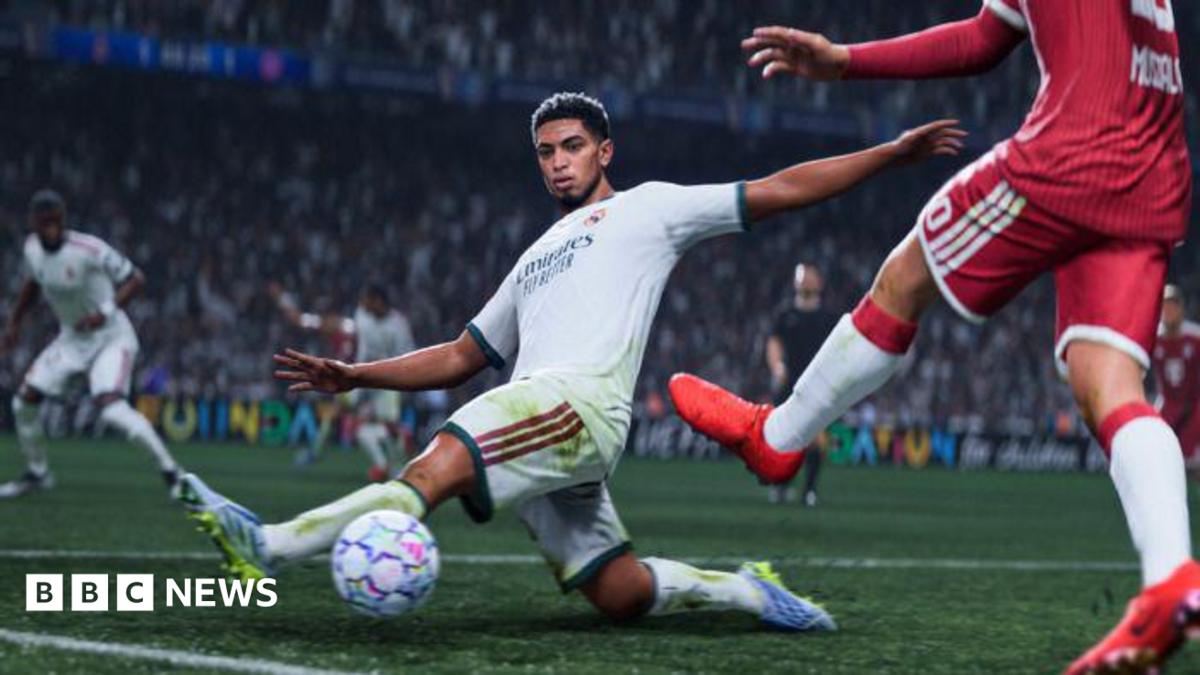
The acquisition has also sparked discussions about cultural and creative freedoms. The advocacy group Players Alliance HQ has raised concerns about potential censorship of themes related to gender and LGBTQI+ topics, citing Saudi Arabia’s legal environment. While EA has not commented on these issues, the company’s new ownership structure may influence its approach to content and representation in future titles. Meanwhile, the broader gaming industry continues to monitor the implications of this deal, which represents a significant shift in the landscape of video game publishing and investment.
Founded in 1982 by William “Trip” Hawkins, a former Apple employee, EA has built a legacy around franchises like The Sims, Madden NFL, and Battlefield. Hawkins, who began playing analog baseball and football games in the 1960s, laid the groundwork for a company that has become a global entertainment leader. The transition to private ownership marks the end of an era for EA as a publicly traded entity, with its future now shaped by the strategic interests of its new investors.