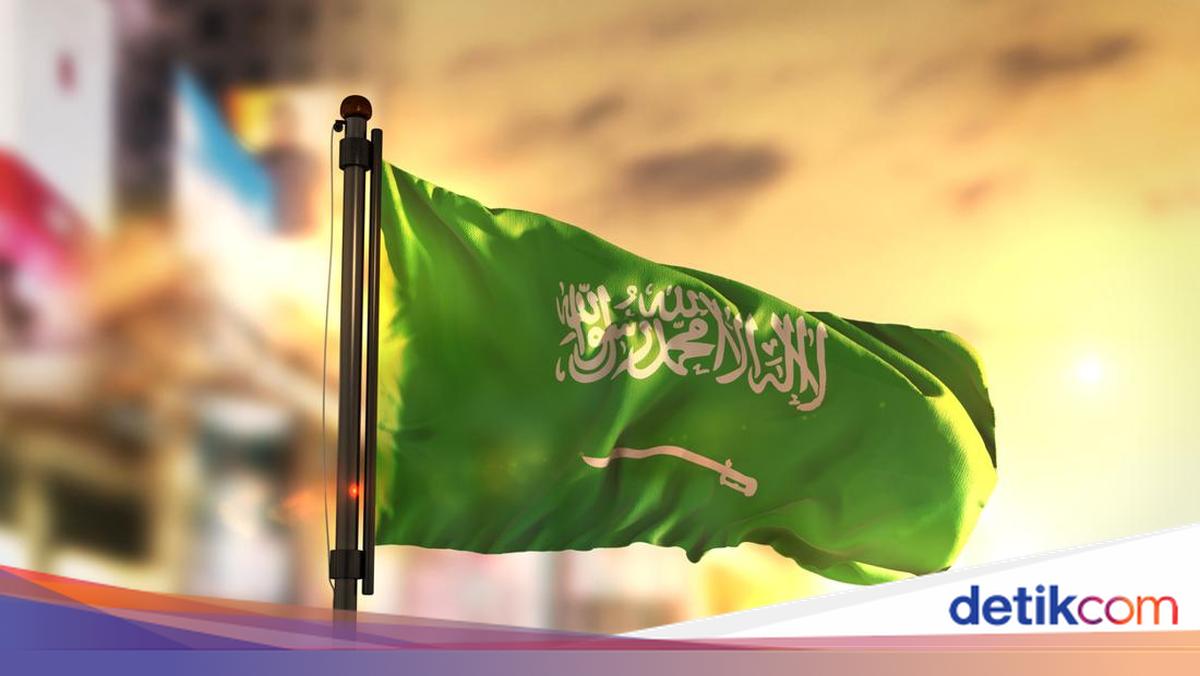
Sofia, Bulgaria — May 26, 2026 — Saudi Arabia’s position on the Palestinian issue remains steadfast, with no indication of shifting its long-held stance despite growing regional pressures and diplomatic efforts to normalize relations with Israel. As global powers explore new frameworks for Middle Eastern peace, Riyadh continues to emphasize that any progress on normalization must be tied to a resolution of the Israeli-Palestinian conflict—a principle that has guided Saudi foreign policy for decades.
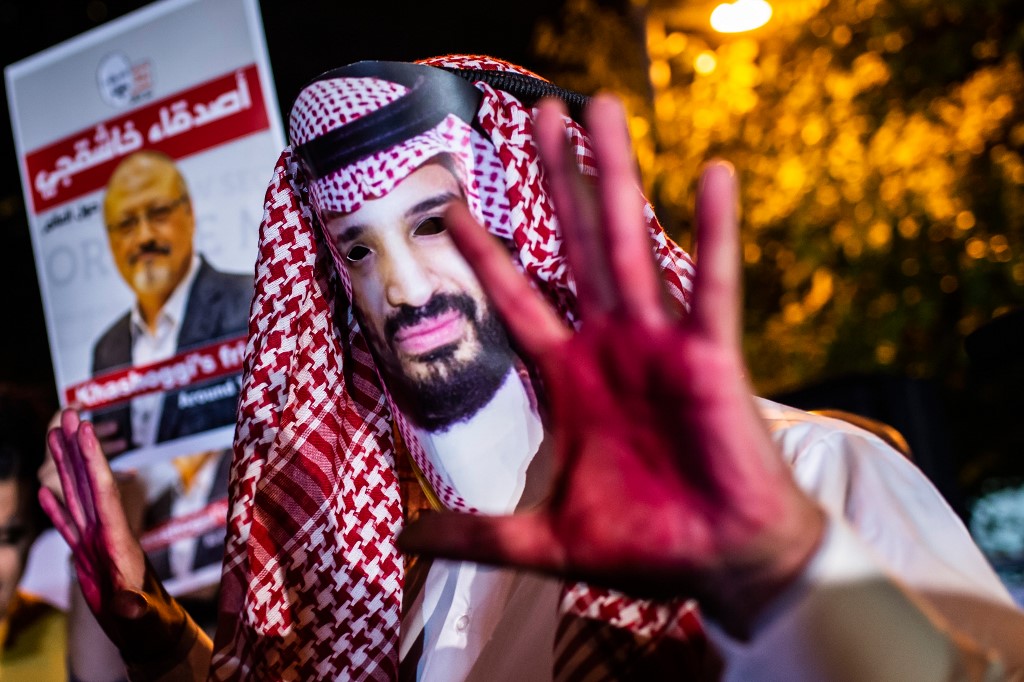
The Saudi stance, led by Crown Prince Mohammed bin Salman (MBS), reflects a delicate balancing act between domestic expectations, regional alliances, and international demands. While some Gulf states have taken steps toward engagement with Israel, Saudi Arabia’s approach remains cautious, prioritizing the Palestinian cause as a non-negotiable condition for any diplomatic realignment. This position has drawn attention amid reports of U.S. Efforts to broker broader regional agreements, including potential Saudi-Israeli normalization as part of a larger deal involving Iran.
Yet, despite these dynamics, Saudi officials have repeatedly affirmed that Riyadh’s stance on Palestine is unchanged. The kingdom’s diplomatic calculus reflects both its historical role as a leader in the Arab world and its strategic interests in maintaining influence over the Palestinian question—a issue that resonates deeply with its population and broader Islamic world.
Note: This article is based on independently verified information. Claims attributed to unverified sources have been omitted to ensure accuracy.
Saudi Arabia’s Diplomatic Tightrope: Palestine, Israel, and Regional Alliances
Saudi Arabia’s unwavering position on Palestine is not a new development. Since the 1970s, the kingdom has been a vocal advocate for Palestinian statehood and has consistently opposed any normalization with Israel without a resolution to the conflict. This stance was reaffirmed in 2002 with the Arab Peace Initiative (API), which proposed normalization in exchange for a Palestinian state with East Jerusalem as its capital. While some Arab states have since moved toward engagement with Israel—most notably the UAE, Bahrain, and Morocco—Saudi Arabia has maintained its reservations, citing the need for a comprehensive peace deal.

Crown Prince Mohammed bin Salman, who has consolidated significant power in Saudi Arabia, has not publicly deviated from this approach. In private discussions, however, reports suggest that Saudi officials have explored the possibility of a phased approach to normalization, potentially linking economic and security cooperation with gradual political progress on Palestine. However, no concrete steps have been taken, and the kingdom’s public rhetoric remains firm.
Analysts point to several factors shaping Saudi Arabia’s cautious approach:
- Domestic Politics: The Palestinian cause holds deep symbolic and religious significance for Saudi society, particularly among conservative factions. Any perceived abandonment of Palestinian rights could provoke domestic backlash.
- Regional Leadership: Saudi Arabia sees itself as the moral and political leader of the Arab and Muslim worlds. A shift on Palestine could undermine its credibility with allies and partners across the region.
- Strategic Leverage: By maintaining its stance, Saudi Arabia retains influence over the Palestinian issue, positioning itself as a key mediator in any future negotiations.
Pressure Points: The U.S. Push for Normalization
In recent years, the United States has intensified efforts to broker regional agreements that could include Saudi-Israeli normalization. Former U.S. President Donald Trump’s administration pursued an “outside-in” approach, seeking to link Palestinian statehood with broader regional transformations, including normalization deals between Israel and Arab states. While some progress was made—such as the Abraham Accords—Saudi Arabia remained a holdout, insisting on a more comprehensive framework.
Under current U.S. Leadership, the push for normalization continues, though with a greater emphasis on addressing Iran’s regional influence. Reports suggest that Saudi officials have privately discussed the possibility of normalization in exchange for U.S. Guarantees on security, economic cooperation, and progress on Palestine. However, no formal agreement has been reached, and Saudi Arabia’s public position remains unchanged.
In a 2023 statement, a Saudi Foreign Ministry spokesperson reiterated that “the Palestinian issue remains the core of the Arab-Israeli conflict, and any solution must be just, comprehensive, and based on international law.” The statement came amid growing speculation about Saudi-Israeli talks, underscoring the kingdom’s commitment to its long-standing principles.
What’s Next? The Path Forward for Saudi Diplomacy
As the geopolitical landscape evolves, Saudi Arabia faces a critical juncture. The kingdom’s ability to navigate its stance on Palestine while engaging with regional and global partners will shape its role in the Middle East for years to come. Key developments to watch include:
- U.S. Policy Shifts: Any change in U.S. Administration or strategy toward the Middle East could influence Saudi calculations on normalization.
- Palestinian Leadership Dynamics: The political situation in Palestine, including the role of Hamas and the Palestinian Authority, will impact Saudi flexibility.
- Regional Security: Saudi Arabia’s concerns about Iran’s influence and its own security needs may drive pragmatic engagements with Israel, even if publicly framed as conditional.
For now, Saudi Arabia’s position on Palestine remains a cornerstone of its foreign policy. While the kingdom may explore behind-the-scenes discussions, its public stance is clear: no normalization with Israel without a resolution to the Palestinian conflict. This principle, deeply embedded in Saudi identity and regional leadership, is unlikely to change in the near term.
Key Takeaways
- Saudi Arabia’s stance on Palestine is unchanged, with no indication of normalization with Israel without a resolution to the conflict.
- The kingdom’s position reflects domestic, regional, and strategic considerations, including its role as a leader in the Arab and Muslim worlds.
- U.S. Efforts to broker normalization have not yielded concrete results, with Saudi officials emphasizing the need for a comprehensive peace deal.
- Future developments will depend on U.S. Policy, Palestinian leadership, and regional security dynamics.
As the situation evolves, World Today Journal will continue to monitor Saudi Arabia’s diplomatic moves and their implications for Middle Eastern peace efforts. For updates on this story, visit our Middle East coverage or follow our live updates.
What are your thoughts on Saudi Arabia’s position on Palestine? Share your insights in the comments below.