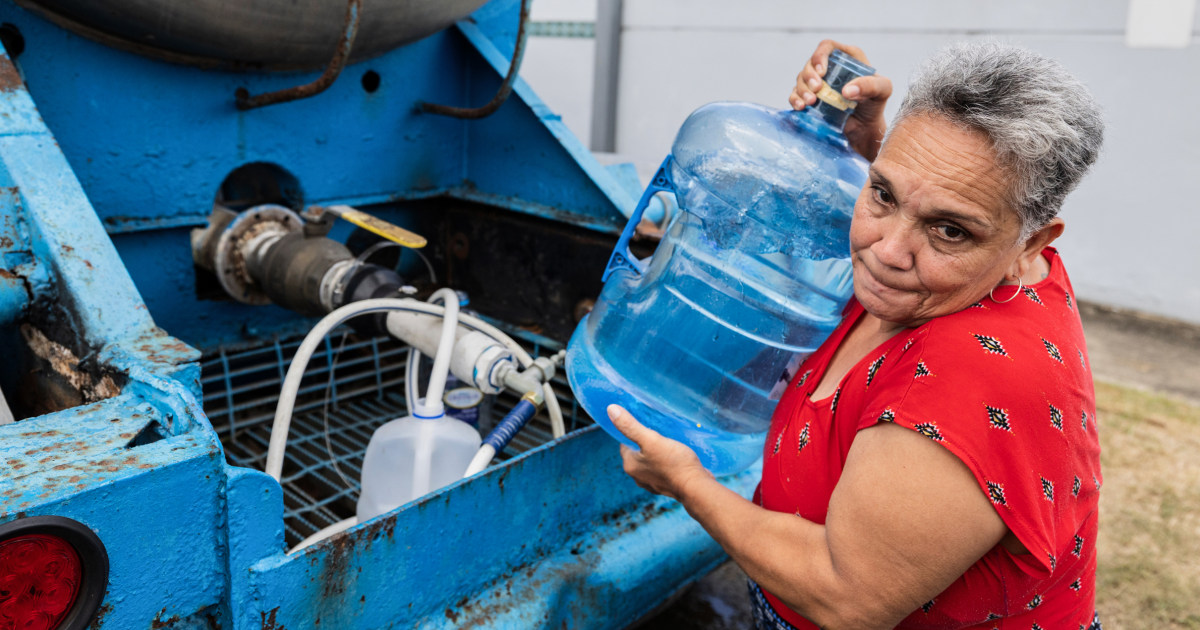
Puerto Rico announced 48-hour alternating water rationing for more than 180,000 customers in San Juan and surrounding cities starting Friday. The emergency measures follow record-low rainfall in July and a deepening drought affecting nearly 25% of the U.S. territory under severe conditions.
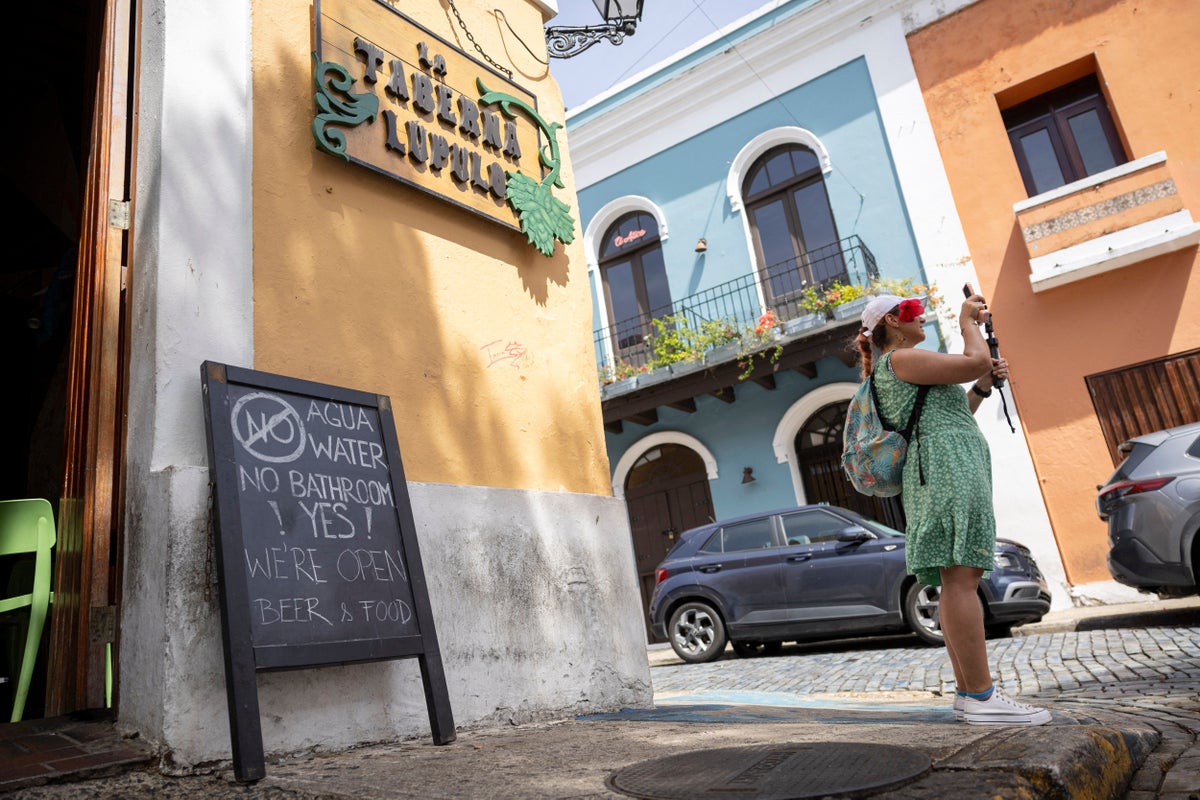
A relentless drought has forced authorities in Puerto Rico to implement scheduled utility interruptions across San Juan and major surrounding neighborhoods. More than 180,000 customers will face alternating 48-hour cutoffs as officials scramble to manage a water crisis compounded by extreme heat warnings and severe infrastructure strains.
Severe Drought Grips San Juan Amid Record-Breaking Heat
Weather conditions across the U.S. territory have deteriorated rapidly. July marked the driest month on record for San Juan in over 120 years, alongside the capital’s second-hottest July on record. According to the U.S. Drought Monitor, nearly 25 percent of Puerto Rico is currently experiencing a severe drought, while an additional 36 percent remains under moderate drought conditions.
María Novoa García, a meteorologist with the National Weather Service in San Juan, explained that experts anticipate a milder 2026 hurricane season with dry conditions persisting until at least September. Rainfall totals over the following two to three weeks are projected to sit at least 50 percent below average as a strengthening El Niño natural warming cycle takes hold.
“This situation is out of our hands,”
Gov. Jenniffer González
Governor Jenniffer González said late Tuesday that the situation was out of their hands, blaming weather conditions and stating that nothing prevents the situation from worsening.
The governor acknowledged that she could not specify how long the emergency rationing measures would remain in place.
Impacted Cities and Emergency Potable Water Distribution
The scheduled rationing extends beyond the capital city. Affected areas include neighborhoods in Carolina, Juncos, Gurabo, Trujillo Alto, Canovanas, and Loiza. To mitigate the impact on vulnerable populations, Luis González Delgado, president of Puerto Rico’s water and sewer system, announced that large tanker trucks will distribute potable water, prioritizing hospitals and residences serving older adults.
Health administrators have stepped forward to reassure the public regarding medical facility readiness. Tania Conde Sterling, president of the Association of Health Services Administrators, emphasized that healthcare centers maintain strict operational guidelines. We do not improvise at hospitals,
she stated, noting that facilities maintain established rules, procedures, and scenario protocols.
Chronic Infrastructure Failures and Prior Water Shortages
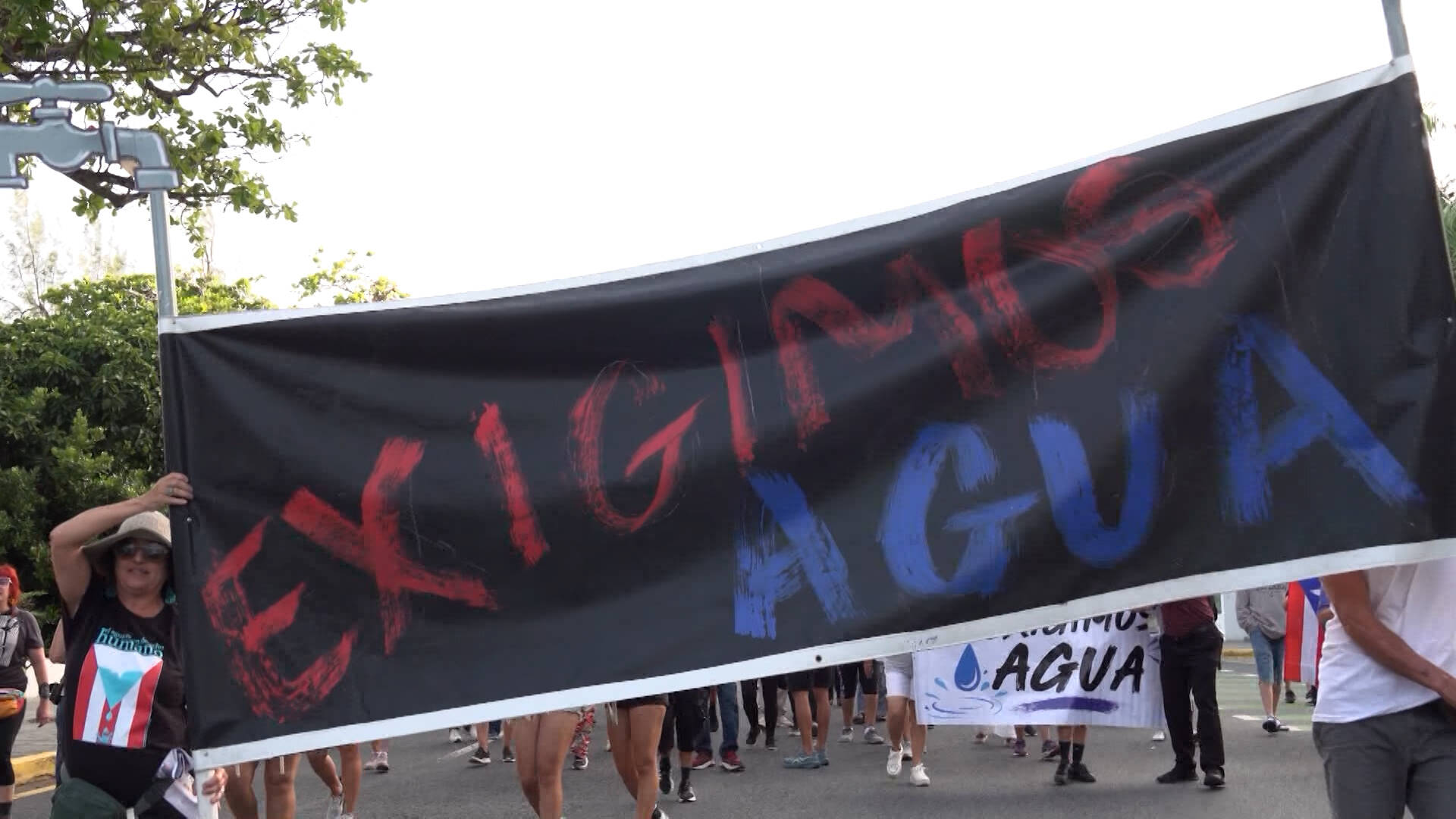
While the drought has intensified the current crisis, thousands of residents across the island experienced severe water disruptions for up to a year prior, driven by longstanding infrastructure problems. Protesters recently took to the streets in San Juan and other cities, demanding government intervention, with some communities in Loíza reporting complete service interruptions lasting more than 100 days.
The chronic lack of water prompted San Juan Mayor Miguel Romero to file a lawsuit against the island’s Water and Sewer Authority in late May. Gov. González has openly acknowledged that the utility’s infrastructure has suffered from decades of underinvestment and inadequate maintenance.
Legislative Demands and Unresolved Public Concerns
Elected officials are pressing the utility for transparency regarding the ongoing disruptions. Representative Domingo J. Torres García warned that he would pursue legal action if the water and sewer authority failed to provide a formal response explaining the root causes of the chronic service failures and the concrete actions underway.
“The people have the right to know what is happening, what the plans are and what concrete actions are being taken to address this crisis.”
Rep. Domingo J. Torres García
Community leaders like 61-year-old Marcia Soler París point out that scheduled rationing brings little relief to neighborhoods that have already gone months without reliable service. Concerns remain acute for bedridden and elderly residents who face immense physical hurdles to transport heavy water buckets.
Keep reading