Researchers are focusing on PIWI proteins and piRNAs as vital regulators of stem cell behavior and tissue repair. Published in Genes & Diseases, a comprehensive review details how these molecular complexes manage genome stability and epigenetic programming, pointing toward future therapeutic targets for cancer, skeletal disorders, and age-related tissue decline.
Stem cell therapies hold immense promise for modern medicine, offering potential avenues to restore damaged tissues and treat conditions ranging from degenerative diseases to cancer. Yet, realizing this potential requires precise control over gene activity inside cells. Scientists are now directing their attention toward an underexplored biological network involving PIWI proteins and PIWI-interacting RNAs, known as piRNAs, to better understand how stem cells preserve their regenerative capacity and differentiate into specialized cell types.
Gene Regulation and Genome Protection Through the PIWI/piRNA Pathway
The PIWI/piRNA pathway operates as a sophisticated gene-regulatory network capable of influencing genome stability, cellular identity, and epigenetic programming. Unlike messenger RNA, which carries instructions for building proteins, piRNAs act primarily as regulatory molecules that typically range from approximately 24 to 32 nucleotides in length, according to recent findings.
These small RNA molecules bind to PIWI proteins—a specialized subgroup of the Argonaute protein family—to form molecular complexes that recognize and silence specific genetic sequences. One of their most critical functions is suppressing transposable elements, or “jumping genes,” which can move around the genome, cause mutations, and disrupt normal cellular function. By cutting RNA transcripts and encouraging repressive chromatin formation around DNA sequences, the pathway safeguards genetic integrity in cells that must maintain stability over long periods.
Epigenetic Mechanisms in Somatic and Stem Cell Maintenance
While initial discoveries associated the PIWI/piRNA pathway primarily with reproductive tissues, recent studies have identified related activity in a wide variety of somatic cells. Researchers examine how these molecular complexes influence epigenetic regulation, altering gene activity without changing the underlying DNA sequence. Through mechanisms such as DNA methylation, histone modification, and chromatin remodeling, the pathway dictates whether particular genes remain accessible to transcriptional machinery.
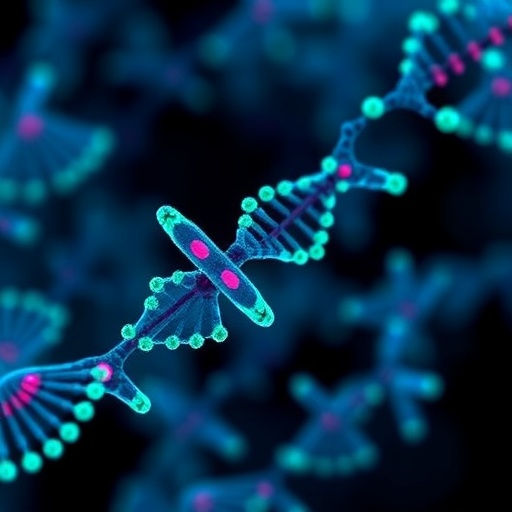
This epigenetic control helps stem cells maintain an undifferentiated state or activate programs required for specific developmental pathways. In planarians, for instance, researchers have documented an essential stem-cell function where piwi genes are expressed in totipotent stem cells called neoblasts. Knocking down these mRNAs leads to an inability to regenerate body parts and causes tissue maintenance failure that ultimately results in death.
Therapeutic Implications in Cancer Research and Regenerative Medicine
Beyond basic biology, the expanding relevance of PIWI/piRNA pathways covers multiple disease-related processes and regenerative applications. Abnormal expression patterns have been observed in several tumor types, where the pathway may influence cancer stem cells, uncontrolled growth, invasion, and resistance to treatment. Disrupting these networks could offer new strategies for eliminating resilient tumor populations.
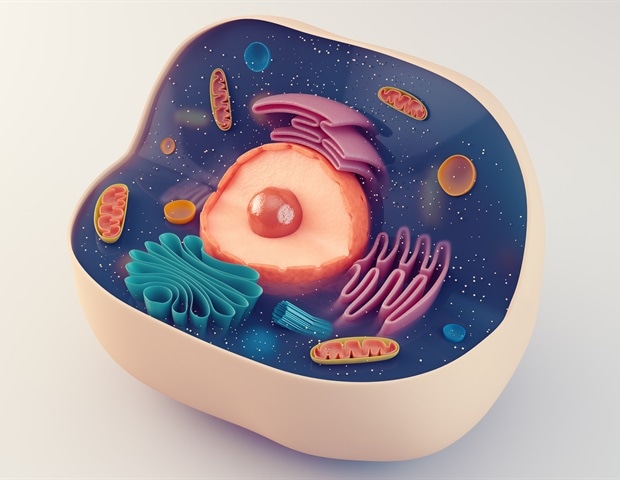
At the same time, regenerative medicine is exploring how specific piRNAs regulate bone-forming cells and neural stem cell function.
Despite this promise, significant challenges remain before these pathways reach routine clinical use. Improving targeting accuracy, enhancing molecular stability, and ensuring long-term safety stand out as primary obstacles. Experts anticipate that advancements in gene delivery technologies, biomaterials, artificial intelligence-driven target discovery, and next-generation molecular engineering will accelerate progress in addressing these hurdles.
Worth a look