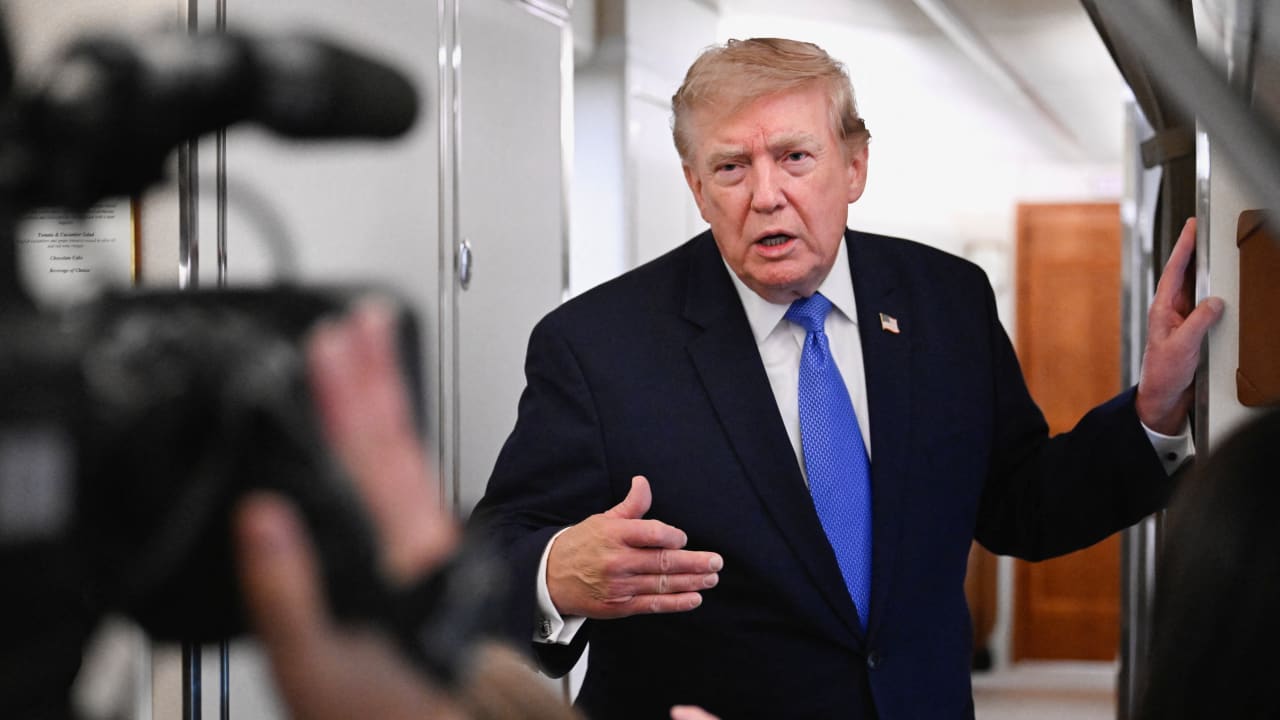
President Donald Trump is weighing new military strikes on Iran as of August 7, 2026, following the collapse of a recent truce. The U.S. is pressing Tehran to reopen the Strait of Hormuz and abide by terms set out in a truce agreement.
The conflict, launched by the U.S. and Israel in February, has resulted in the deaths of American soldiers. While President Trump told reporters on August 6 that he believes the war will end pretty soon
, the White House remains frustrated by Tehran’s adherence to previous agreements.
The Battle for the Strait of Hormuz
Control over the Strait of Hormuz has emerged as a point of contention in the current hostilities. Iran’s Revolutionary Guard recently claimed to have hit two oil tankers attempting to transit the waterway, while four other tankers were forced to turn around. The U.S. has explicitly denied Iranian claims of authority over the strait or the right to collect fees for its use.
For Tehran, the waterway is more than a tactical chokepoint. Javad Heirannia, director of Persian Gulf Studies at the Center for Scientific Research and Middle East Strategic Studies in Tehran, told Newsweek that Iran’s primary goal is to turn military achievements into a permanent and strategically recognized advantage
over the strait.
This strategy may be linked to Iran’s nuclear ambitions. Heirannia suggests that an arrangement regarding the strait could provide an insurance policy for Iran if it agrees to dilute highly enriched uranium, creating a cost-benefit equation regarding the nuclear issue
.
Axis of Resistance and Regional Escalation
The spillover has reached Kuwait, where the Defense Ministry reported shooting down drones that targeted military facilities. While no casualties were reported, the drones caused material damage from falling shrapnel. In Yemen, Houthis have claimed attacks on Saudi oil tankers and a coalition headquarters in central Yemen.
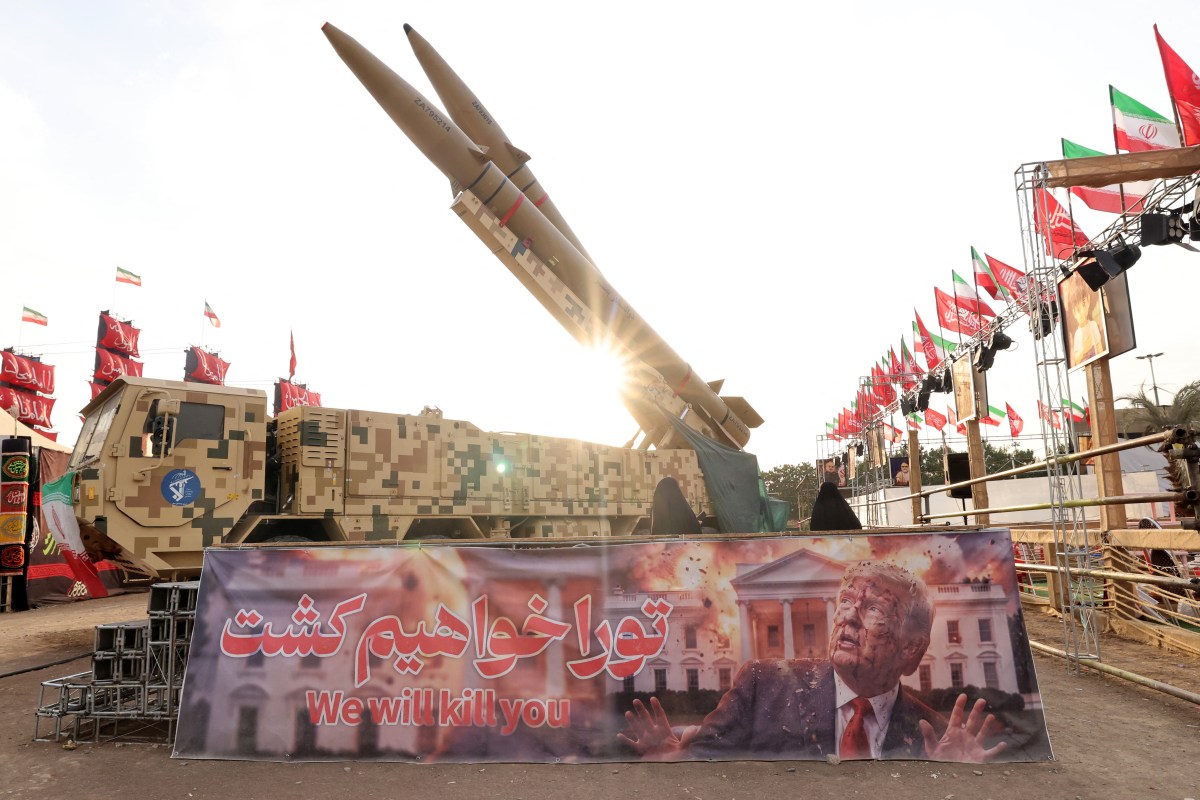
In response to these threats, Saudi Arabia has moved to solidify its own security architecture. The Kingdom has signed a formal defense pact with Turkey and Pakistan.
U.S. Domestic Pressure and Political Risk
The prolonged conflict is creating a political divide within the United States. A Reuters/Ipsos poll reveals that some respondents believe U.S. military action will destabilize the Middle East over the next year. Only 17% believe the war will lead to more stability.
This pessimism extends to the economy, with 58% of polled Americans expecting gasoline prices to worsen as Iran continues to choke off traffic in the Strait of Hormuz.
| Metric | Poll Result (Reuters/Ipsos) |
|---|---|
| Expect destabilization in Middle East | — |
| Expect more stability in Middle East | 17% |
| Expect gas prices to worsen | 58% |
| General approval of the war | — |
Gaza Ceasefire and the Disarmament Deal
Amid the broader Iran conflict, a potential breakthrough has emerged in Gaza. Hamas confirmed on August 7 that it will begin disarming as part of a U.S.-brokered deal.
However, the path to peace remains volatile.
Keep reading
- The Odyssey Film: Reviving Interest in Homer’s Epic in Britain
- China Crude Imports Hit Three-Month High Despite Strait of Hormuz Closure
- Russian Missile and Drone Strikes Kill Six Across Ukraine (time.news)
- Kim Jong Un’s Sister Slams Japan As A Belligerent State Amid Military Buildup (newsdirectory3.com)