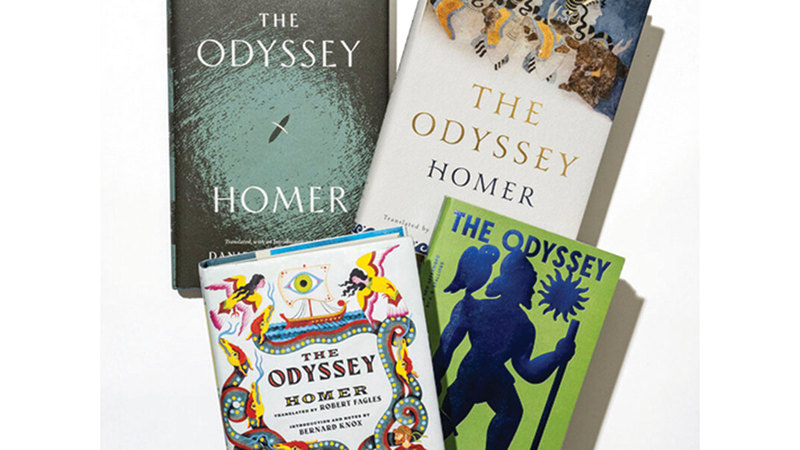
British book retailers have reported a significant surge in demand for Homer’s ancient epic, The Odyssey, with some outlets recording sales increases in recent weeks. This renewed public interest in classical literature follows the release of new cinematic and media adaptations centered on the legendary Greek poem, sparking a broader trend of readers revisiting foundational Western texts.
The spike in book sales reflects a growing appetite for epic poetry and classical mythology, a phenomenon often observed when high-profile screen adaptations bring ancient narratives to a contemporary audience. According to data tracked by major UK booksellers, the sudden interest has effectively cleared shelves of several editions of the epic, forcing retailers to expedite reordering processes to meet the unexpected consumer demand.
The Impact of Media Adaptations on Classical Literature
The correlation between screen portrayals of historical epics and increased engagement with the original source material is well-documented in the publishing industry. Analysts note that when a production—whether a film, television series, or streaming project—captures the public imagination, it acts as a catalyst for “backlist” discovery, where readers seek out the original narrative to compare interpretations or deepen their understanding of the mythic figures involved.
For The Odyssey, which chronicles the ten-year journey of the hero Odysseus as he attempts to return home to Ithaca following the Trojan War, the current interest appears to be driven by a mix of academic curiosity and popular entertainment. Independent bookstores in London and across the UK have reported that customers are frequently asking for specific translations, particularly those known for their readability and modern prose, such as the versions by Emily Wilson or Robert Fagles.
Market Trends and Consumer Behavior
The increase in sales, as reported by industry monitors, highlights a shift in how classical texts are consumed in the digital age. While digital editions and audiobooks remain popular, there has been a notable uptick in physical book purchases, suggesting that readers view these volumes as permanent additions to their home libraries rather than transient reads.
Retailers have observed that the demographic driving these purchases is diverse, ranging from university students to casual readers influenced by social media “booktok” trends, where classical literature has seen a resurgence in popularity over the past three years. This trend is further supported by the broader publishing sector’s focus on bringing high-quality, attractively designed editions of Greek myths to the mass market, making the texts more accessible to the general public than they were in previous decades.
Broader Context of the Classical Revival
This surge in interest is not limited to The Odyssey alone. Publishers have noted a “halo effect,” where interest in Homer’s work extends to other classical authors and related mythological retellings. Works by authors such as Madeline Miller, whose novels reimagine Greek myths, continue to perform well, often acting as a bridge for readers who might otherwise find the original ancient texts daunting.
The sustained demand for these works suggests that the themes within The Odyssey—resilience, homecoming, and the struggle against fate—continue to resonate with modern readers. As production houses continue to invest in the “sword-and-sandal” genre, the publishing industry expects this heightened interest in classical literature to maintain its momentum through the current fiscal quarter.
Industry observers anticipate that the next major update regarding bookstore inventory and sales figures will be released by the Booksellers Association of the UK and Ireland in their quarterly market report. Readers interested in tracking the availability of specific editions are encouraged to check local bookstore inventories or official publisher websites for updates on stock replenishment. Join the conversation in the comments section below to share your thoughts on the enduring relevance of Homer’s epics.