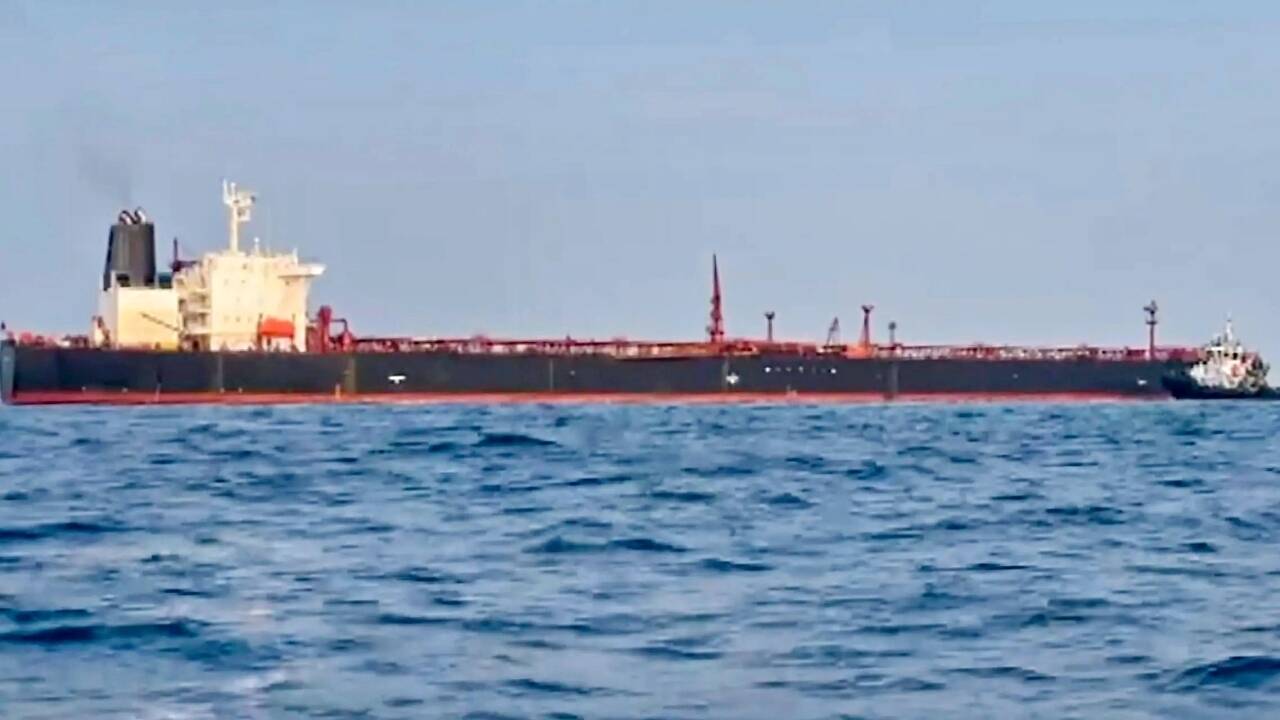
China’s crude oil imports reached a three-month high in July, despite ongoing disruptions to the Strait of Hormuz. However, analysts warn the rebound may be short-lived as the waterway remains effectively closed, forcing Beijing to rely on massive existing stockpiles while Middle Eastern supply routes face severe security risks.
July Import Rebound Amid Strait of Hormuz Closure
China, the world’s largest crude oil buyer, saw imports climb in July following a punishing period of supply volatility. According to official customs data compiled by Wind Information, the July figures represent a three-month high, narrowing the year-on-year decline to 24%. This follows a sharp 41% slump in June, which had pushed import volumes to their lowest levels since October 2016.
The temporary increase was largely attributed to a brief window of stability. The pickup was supported by the short-lived reopening of the Strait of Hormuz at the end of Q2,
said Julian Evans-Pritchard, head of China economics at Capital Economics. This period of respite allowed tankers stranded by the initial conflict to exit the waterway. However, the arrangement faltered in early July following fresh attacks on vessels, effectively shutting the critical artery once more.
Inventory Buffers and Strategic Buying
Beijing has shown little urgency to secure new shipments, opting instead to draw down its substantial domestic reserves. As of December 2025, China’s strategic crude oil inventories stood at nearly 1.4 billion barrels, according to the U.S. Energy Information Administration. This cushion has allowed refiners to prioritize existing stockpiles over paying the premiums associated with wartime supply chains.
“China is an opportunistic buyer of oil,”
Tianchen Xu, senior economist at the Economist Intelligence Unit
Tianchen Xu, senior economist at the Economist Intelligence Unit, said China is not “in a hurry” to ramp up purchases while inventories remain high.
Analysts suggest that any significant return to mass purchasing will likely require a sustained period of de-escalation. Without a cooling of tensions sufficient to lower global oil prices, import volumes are expected to stall or potentially reverse in August as refiners lean further into inventory drawdowns.
Market Shifts and Regional Divergence
The broader Asian market remains strained, with July crude imports across the continent still 15% below pre-conflict levels. Data from Kpler indicates that while crude arrivals through the Strait of Hormuz rose to 4.05 million barrels per day in July from a low of 1.59 million in April, they remain 70% below the average observed in the three months prior to the February 28 conflict start.
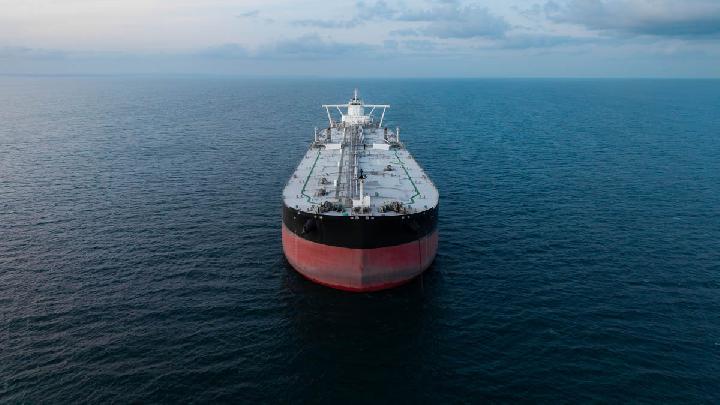
India’s procurement strategy highlights the divergence in how regional powers are navigating the crisis. Despite the lack of a sanctions waiver from the U.S., India has maintained imports of Russian crude near record highs. According to Kpler, India’s July imports from Russia averaged approximately 2.45 million barrels per day, nearing the record 2.64 million barrels per day seen in June.
Other Middle Eastern suppliers, such as the United Arab Emirates and Saudi Arabia, have sought to maintain market presence by diverting shipments through alternative routes, including Red Sea ports. However, the ongoing security risks in the Gulf continue to dictate global price benchmarks, with WTI crude reaching US$84 per barrel and Brent crude rising to US$85.41 per barrel by March 6, 2026.
Fiscal Pressures and Energy Security
The price volatility has forced governments to make difficult fiscal choices regarding energy subsidies. In Indonesia, officials noted that every US$1 increase in the Indonesian Crude Price (ICP) adds significant pressure to the state budget. For every one-dollar increase in the ICP (Indonesian Crude Price), from the expenditure side, we have to add Rp10.3 trillion because of energy subsidies and compensation,
said Susiwijono Moegiarso, Secretary of the Coordinating Ministry for Economic Affairs.

While the government has pledged to keep subsidized fuel prices steady, the long-term sustainability of this policy remains in question. As of early August, the market remains characterized by extreme caution. Shipping traffic through the Strait of Hormuz has collapsed, with recent data showing only two vessels transiting the waterway on Wednesday, compared to a pre-war baseline of 130 to 140 transits.
Worth a look