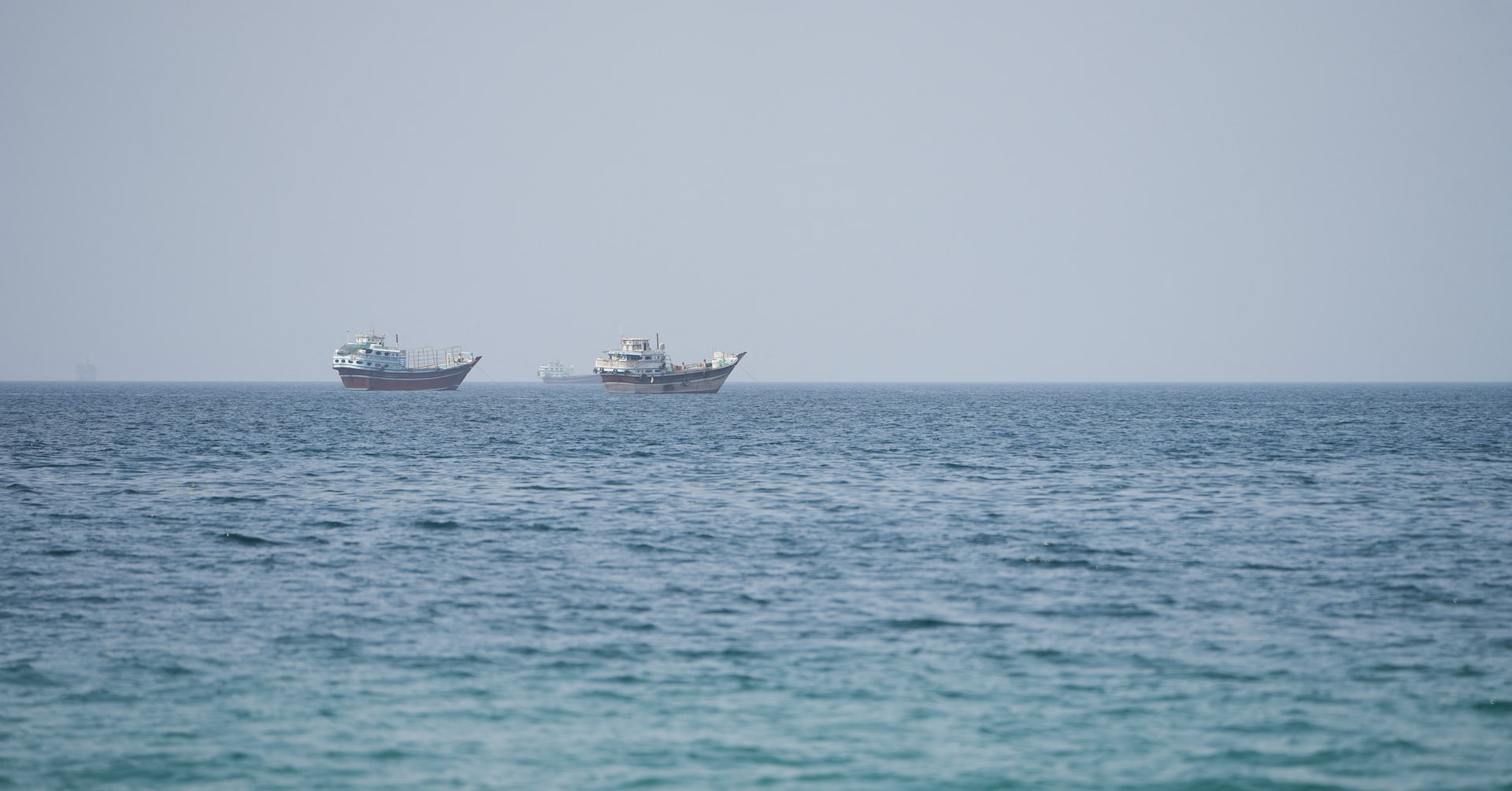
Maritime traffic through the Strait of Hormuz has declined to 33 vessels between Monday and Thursday of this week, according to data from Kpler. This represents a decrease from 50 vessels that transited the waterway during the same period the previous week, Reuters reports.
Shipping Volume Plummets in Strait of Hormuz
The current volume is a fraction of peacetime activity, where more than 100 ships typically transit daily. Historically, about 130 to 140 ships would transit the strait before Iran closed the waterway following the start of the U.S.-Israeli war on February 28.

On Thursday, four vessels transited the strait. These included a minor bulk carrier, two vessels carrying liquefied petroleum gas, and the Nissos Kea, a very large crude carrier transporting approximately 2 million barrels of Basrah crude from Iraq.
Overall activity for the week shows a significant imbalance in traffic:
- Exits: Only six crude oil tankers have exited the strait.
- Entries: A total of 21 vessels have entered, primarily via the Iranian route.
Despite steep discounts of nearly $30 a barrel for Basrah Medium and Basrah Heavy crude offered by Iraq’s state oil marketer SOMO for August loading, shipowners remain wary of entering the waterway. Shipping sources noted that while Chinese and Indian refiners have sought vessels to load at Iraq’s Basrah Oil Terminal, no vessels have been fixed.
Iran-Oman Diplomatic Negotiations
Global energy markets are monitoring talks between Iran and Oman in Muscat to determine if the key waterway can be reopened. A proposed deal would grant Tehran control over ships entering the Gulf through the strait.
According to a senior Iranian source and two regional officials, such an agreement would represent a major shift in regional power in favor of Tehran.
However, industry sources told Reuters that the proposal is not easily workable due to restrictive insurance clauses on payments and U.S. sanctions.
Disputes Over Transit Fees and Control
A central point of contention in the negotiations involves the implementation of transit fees.
The U.S. government maintains that the Strait of Hormuz is an open international waterway and denies any Iranian control.
Regional Security Risks
The decline in traffic is exacerbated by physical security threats and regional instability. A dry bulk ship was recently struck by an unidentified projectile near the Strait of Hormuz off the coast of Oman, according to the UKMTO maritime security agency. Maritime sources reported that the crew had to abandon the vessel and one seafarer went missing.
The broader Middle Eastern maritime corridor remains under stress. In the Bab el-Mandeb strait, which connects the Red Sea to the Gulf of Aden, Kpler data showed 26 vessels transiting on Thursday, up from 19 the day prior.
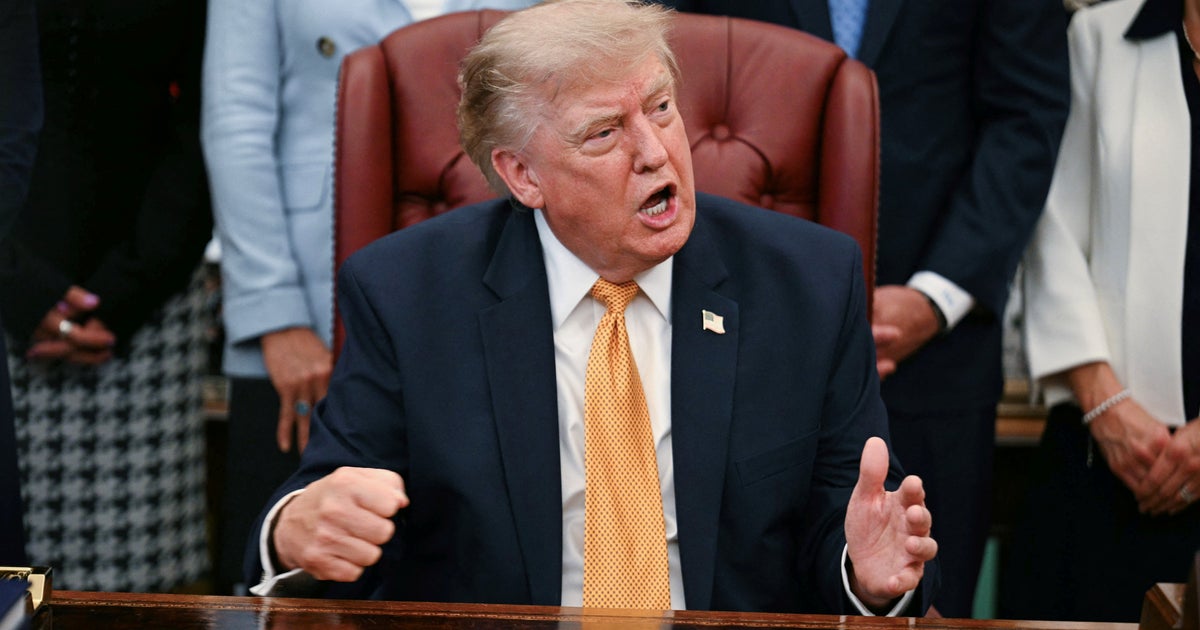
In the context of the wider conflict, President Donald Trump stated on Monday that talks with Tehran were underway and that Iran faced a last chance
to reach a deal. Conversely, Iranian officials have insisted that no negotiations with the United States are taking place, maintaining that their only talks are with Oman regarding the Strait of Hormuz.
Worth a look