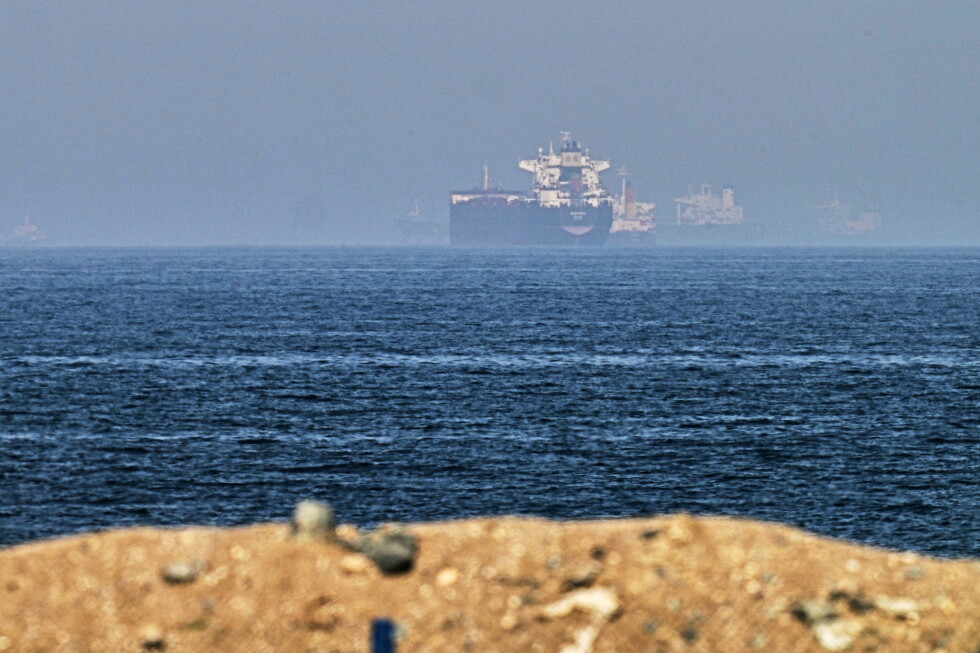
Iran and Oman are in the final stage of drafting an agreement concerning commercial shipping in the Strait of Hormuz, according to statements from Tehran. Esmail Baghaei, spokesperson for Iran’s Foreign Ministry, stated that the two Persian Gulf neighbors have engaged in bilateral talks over the past two months to establish a safe traffic route for commercial vessels. Regional sources and a senior Iranian official indicated that the proposed arrangement would grant Tehran authority over ships entering the Gulf through the strait, marking a substantial shift in the region.
Iran and Oman Draft Agreement to Reorganize Strait of Hormuz Traffic
President Donald Trump stated that an announcement regarding the reopening of the strait could happen soon, telling reporters that a lot of progress has been made. However, regional sources cautioned that significant issues remain unresolved and pushed back against suggestions that an agreement is immediately imminent. The White House and Pentagon have previously insisted that the U.S. would not accept Iranian control over the waterway, and the Trump administration has previously ruled out any deal that would cement Iran’s grip over the strait.
Navigational Controls and Proposed Cargo Fees
Under the draft terms discussed by negotiators, the potential agreement would establish specific routes for vessels transiting the vital energy corridor. Regional officials initially indicated that ships would enter the Persian Gulf through an Iranian-controlled route and exit through a route controlled by Oman, though subsequent regional updates noted that both inward and outward journeys would pass through waters associated with Iran. Before the war, the strait operated as an open international waterway free to all ships without fees.
As part of the current draft framework, Iran is seeking to charge service fees for providing security and preserving the maritime environment. The United States has expressed strong opposition to any arrangement that would permit Iran to charge fees.
Background of the Conflict and Broader Diplomatic Stakes
The closure of the Strait of Hormuz follows the military conflict launched on Feb. 28 by the United States and Israel against Iran, with stated goals including ending Tehran’s nuclear program and toppling the government. Those objectives have not been achieved, and the conflict devolved into a contest over the strait as Iranian attacks on shipping and assertions of control brought maritime traffic to a near-halt. The closure has disrupted a route through which a fifth of the world’s traded oil and natural gas once passed, driving up fuel and basic goods prices and putting pressure on the global economy.

Regional officials briefed on the negotiations described the potential deal as a temporary solution tied to an earlier agreement reached between the U.S. and Iran in June that aimed to end fighting and reopen the waterway before ultimately collapsing. The potential framework is also seen as a way to pave the way for the U.S. and Iran to resume negotiations on Tehran’s nuclear program.
Contingencies and Remaining Obstacles
Finalization of the draft deal remains subject to several conditions and potential roadblocks. Negotiators await final approval from Iran’s Supreme Leader Ayatollah Mojtaba Khamenei, who is believed to have been wounded in the opening strikes of the war and has not appeared in public since. Baghaei stated that a joint statement detailing the main considerations will be issued if certain third parties do not obstruct the process, an apparent reference to the United States.

Additionally, the agreement is contingent on the U.S. lifting its blockade on Iranian ports, and Iran has indicated that a return by the U.S. to commitments under a mid-June memorandum of understanding is a prerequisite for reopening the waterway. While U.S.
Keep reading