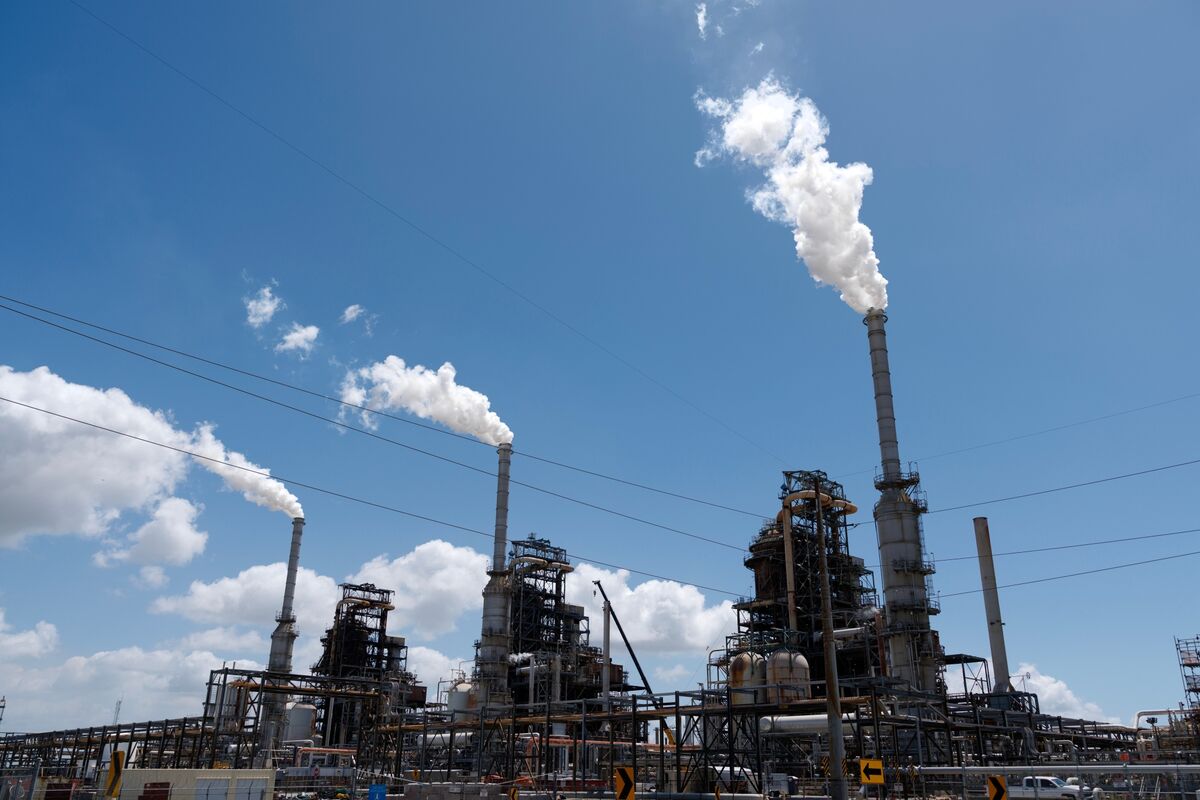
American energy giants ExxonMobil and Chevron posted soaring second-quarter profits on Friday, driven by a six-month conflict between the United States and Iran that choked shipping through the Strait of Hormuz and pushed global crude prices past $100 a barrel.
The ongoing military conflict in the Middle East has severely restricted petroleum shipments through the narrow maritime chokepoint, which previously served as a delivery route for a fifth of the world’s oil and natural gas supplies. As global markets tightened, the international benchmark Brent crude surged from roughly $70 to surpass $100 a barrel for much of the spring, peaking at $126. The resulting market disruption handed windfalls to major energy producers even as consumers worldwide faced steep fuel price hikes, sporadic rationing, and inflationary pressures.
ExxonMobil and Chevron Double and Quadruple Earnings
Spring financial disclosures show that major publicly traded oil corporations capitalised heavily on the elevated commodity prices. Exxon Mobil on Friday reported doubling its second-quarter profits to $14.53 billion, marking a 105% increase from the same period a year ago. The Spring, Texas-based oil giant generated $116.02 billion in revenue during the quarter, up 42% year over year.

Meanwhile, Chevron nearly quadrupled its profits to $12.07 billion, a 385% surge compared to the same quarter last year. Headquartered in Houston, Chevron brought in $70.06 billion in revenue, representing a 56% increase from the previous year.
European energy firms experienced similar financial growth. Six of Europe’s largest oil companies posted first-quarter profits totaling $22 billion, a 43% jump over the previous year, according to data from the environmental nonprofit Global Witness.
Global Fallout: Rationing, Shortages, and High Pump Prices
While energy producers celebrated earnings, the broader economic consequences rippled across international markets. Fuel supplies tightened significantly in several nations, prompting sporadic fuel rationing in Australia and forcing government office closures in Nepal and Sri Lanka due to energy shortages.
In the United States, gasoline prices climbed sharply over the quarter. The national average for a gallon of regular gasoline reached $4.11 on Friday, sitting roughly $1 higher than prices recorded at the same point in the previous year. Prior to the U.S. and Israeli military strikes against Iran, the average pump price had remained below $3 per gallon.
“There are constituencies around the world who are having a very good crisis, and the oil producers are one of them. When you compare that to the hundreds of millions of people who are struggling with rolling blackouts, with electricity curbs, rationing, waiting in line for food queues, or the disruption to fertilizers and the potential impact that that has on food prices, we don’t think that it’s a justifiable price for the rest of the world to be paying.”
Patrick Galey, fossil fuels lead at Global Witness
Refineries Capture Historic Margins Amid Surging Crack Spreads
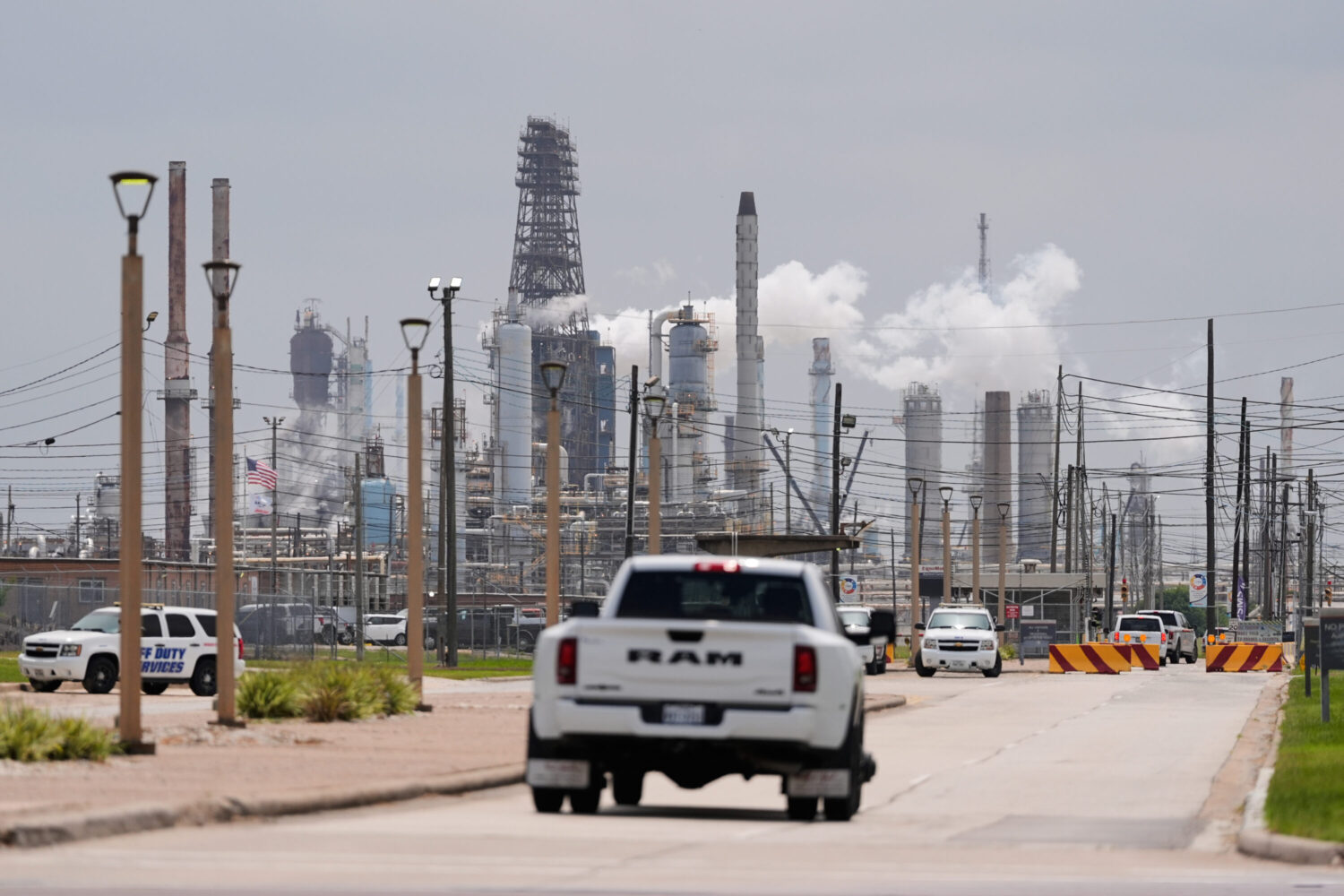
Integrated energy firms that manage both upstream extraction and downstream refining captured the largest market advantages. Tom Seng, assistant professor of energy finance at Texas Christian University, noted that outfits such as Exxon and Chevron benefited directly from historically high crack spreads—the projected profit margins refineries make by converting crude oil into refined products like gasoline, diesel, and jet fuel.
In late July, refiners planning to acquire a barrel of oil for approximately $80 were positioned to realize potential profits of $50 to $60 per barrel, dwarfing the average range of $20 to $25.
Congressional Windfall Tax Proposals Face Renewed Debate
The massive quarterly windfalls have revived legislative efforts in Washington to impose new taxes on major energy producers. Congressional Democrats introduced measures in March to levy taxes on profits accrued from 2026 onward, with proceeds earmarked for consumer relief.
Rep. Ro Khanna, D-Calif. The proposed tax code amendment would establish a per-barrel excise tax on companies producing or importing at least 300,000 barrels of oil per day in 2025. The levy would capture 50% of the difference between the prevailing oil price and the average price per barrel recorded last year.
“It’s fair to put a windfall profits tax on inordinate windfall profits rather than cut off children’s food programs,” Sen. Sheldon Whitehouse
Whitehouse also noted that gas stations he drove by had cracked $4 again per gallon the previous weekend, which he described as a big expense, particularly for families who earn their income driving from job to job in work vans or trucks, adding that it makes a real difference.
Similar windfall profit tax proposals failed to advance during previous years, leaving the path ahead for the current bills uncertain as the conflict in the Middle East continues to dictate global energy economics.
Keep reading