A sharp and unexpected slowdown in United States nonfarm payrolls for July 2026 has rattled global financial markets, forcing investors to reevaluate expectations for Federal Reserve monetary policy and driving a swift rebound on Wall Street. According to data tracked by financial institutions including the EBC Financial Group, job growth in the world’s largest economy drastically underperformed consensus expectations, dropping well below prior downwardly revised readings.
The employment report showed nonfarm payroll additions falling far short of analyst forecasts. Instead, the sudden cooling in labor market momentum triggered an immediate slide in Treasury yields and prompted futures markets to scale back aggressive bets on an imminent interest rate hike by the Federal Reserve at its September meeting.
Global stock exchanges and currency desks absorbed the data swiftly, with the U.S. dollar reacting to shifting interest rate probabilities.
Wall Street Rebounds on Cooling Labor Momentum
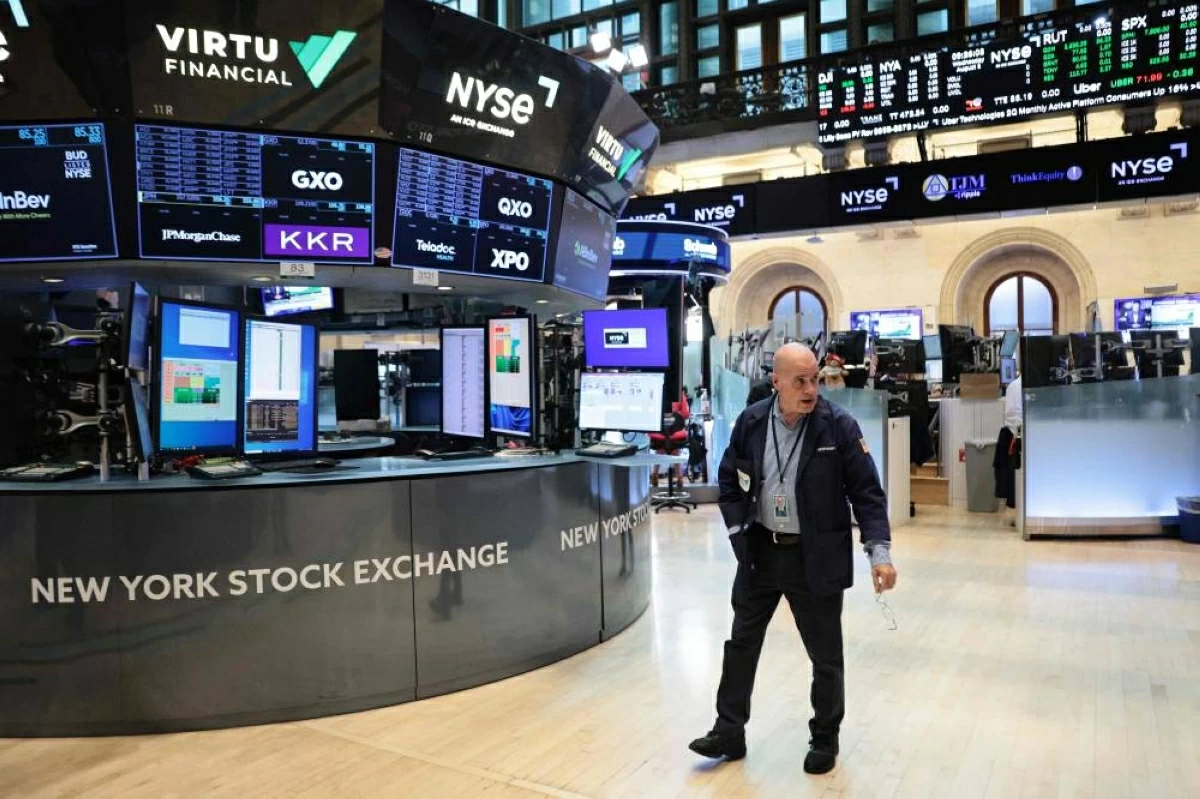
Equities in major U.S. indices recovered ground following initial volatility as traders priced in a softer monetary tightening path from central bankers. According to reports from regional financial desks and international business publications like the Khaleej Times, Wall Street indices turned positive as the weaker jobs report eased anxiety over runaway inflation and aggressive rate hikes.
When the July employment metrics crossed terminal screens, equity futures flipped direction. Traders began discounting the likelihood that the Federal Open Market Committee would push through another restrictive rate increase when policymakers convene.
Federal Reserve Rate Path and September Meeting Projections
Coverage by outlets such as CNN Business Arabic highlighted that currency and debt traders quickly adjusted their portfolios, unwinding bullish positions on the greenback as yields on two-year and ten-year U.S. Treasury notes tumbled.
However, data showing a deceleration in hiring alters the risk balance for central bank governors.
Foreign Exchange Impacts and U.S. Dollar Volatility
Foreign exchange markets absorbed the employment shock through sharp movements in major currency pairs. According to currency analysts cited by FXStreet, nonfarm payroll reports remain among the most influential catalysts for the U.S. dollar because employment trends directly dictate real yield differentials between the United States and other major economies.
Next Steps for Market Participants
Share your perspective on how these labor market developments will influence your portfolio strategy in the comments below.