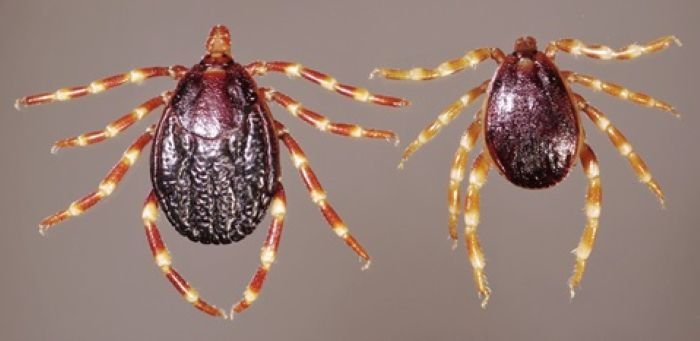
Public health authorities in Iraq are grappling with a sharp rise in Crimean-Congo hemorrhagic fever (CCHF), reporting 24 fatalities linked to the tick-borne viral disease. The outbreak has placed veterinary and medical sectors on high alert across multiple provinces, as health ministries rush to contain transmission linked primarily to livestock handling and rural agricultural practices.
According to the World Health Organization and regional health reporting, Crimean-Congo hemorrhagic fever is a severe viral zoonosis transmitted to humans either by tick bites or through contact with infected animal blood and tissues during and immediately after slaughter. The disease carries a high case fatality rate, making early detection and supportive hospital care critical for patient survival.
Health officials note that rural workers, livestock traders, and slaughterhouse operators face the highest exposure risks. In response to the rising death toll, municipal governments have intensified vector control measures, including widespread acaricide spraying on livestock and animal housing facilities to suppress tick populations before the peak summer breeding season.
Understanding Crimean-Congo Hemorrhagic Fever Risks
Crimean-Congo hemorrhagic fever is endemic to many parts of the Middle East, the Balkans, Central Asia, and parts of Africa. The virus belongs to the Nairoviridae family and is primarily carried by hyalomma ticks. When these infected vectors bite humans or livestock, or when humans crush ticks with bare hands, the pathogen enters the bloodstream.
Clinical manifestations typically begin suddenly with high fever, muscle ache, dizziness, neck pain, backache, headache, sore eyes, and sensitivity to light. According to clinical guidelines from international health agencies, patients often experience nausea, vomiting, diarrhea, abdominal pain, and sharp mood swings in the early stages, progressing rapidly to mood confusion, agitation, and bleeding complications such as petechiae and severe hemorrhaging.
Veterinary experts emphasize that livestock frequently show no visible signs of carrying the infection, making routine handling an invisible hazard for farmers and butchers who do not wear appropriate personal protective equipment. Public health campaigns currently underway across affected regions stress the mandatory use of gloves, aprons, and eye protection during animal slaughter and meat processing.
Mitigation Strategies and Official Guidance
To curb further transmission, Iraq’s Ministry of Health has urged citizens to purchase meat strictly from government-regulated abattoirs where veterinary inspectors screen carcasses for signs of disease. Home slaughter, particularly during holidays and traditional gatherings, remains a major vector for community spread due to the casual handling of fresh blood and offal.
Medical facilities in high-risk governorates have received emergency shipments of ribavirin, an antiviral medication used alongside intensive supportive care to manage symptomatic patients. Health authorities continue to monitor suspected cases closely, while urging anyone exhibiting sudden flu-like symptoms following contact with livestock to seek immediate medical evaluation at designated public health centers.
For ongoing updates and official health advisories regarding vector-borne illnesses, residents and international observers can consult public health bulletins issued regularly by the World Health Organization and national institutional channels.
We welcome your thoughts and insights on this developing public health story. Please share your comments below.
- Why Patients Walk Out: How Modern Patient Checkout Software Fixes Healthcare Payment Drop-Off
- Ultimate Toilet Hygiene & Cleaning Hacks: Expert Tips for a Spotless Bathroom
- Cyclosporiasis Outbreak Spreads Across Nearly Every Ohio County (news-usa.today)
- Chelsea Gray Hits Game-Winner As Aces Defeat Fever in Overtime Thriller (archyworldys.com)