The U.S. State Department has integrated data analytics firm Palantir and military technology company Anduril into its newly established Freedom Tech Excellence Program (FTEP), drawing immediate criticism from civil liberties advocates over the federal government’s partnerships for advancing digital freedom and countering digital surveillance.
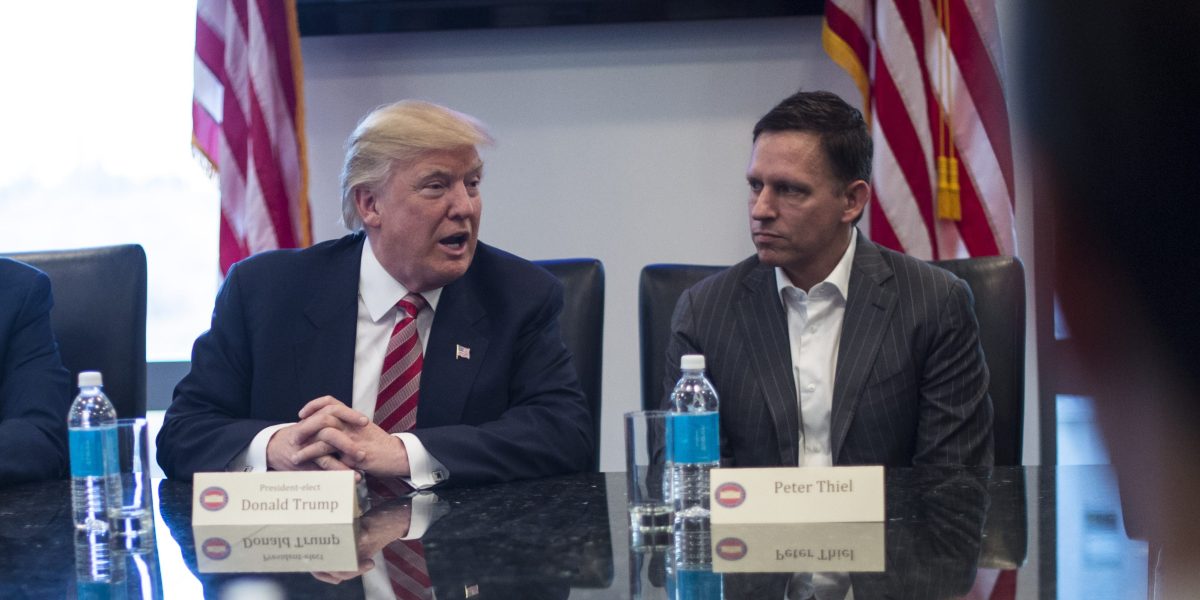
According to the State Department’s public website and official statements, the initiative brings private sector talent into the agency on limited-term assignments through early 2029. The program aims to support diplomatic efforts concerning online freedom of expression, privacy-enhancing technologies, and responsible artificial intelligence governance. However, the selection of Palantir—an AI and data integration firm founded by Peter Thiel with an extensive record of federal and international surveillance contracts—has intensified scrutiny regarding the administration’s alignment with First Amendment principles.
“To some extent, this announcement and this program sound like doublespeak,” said Carrie DeCell, a senior staff attorney at the Knight First Amendment Institute, pointing to the stark contrast between the partners’ corporate histories and the stated goals of online freedom. “Certainly neither this State Department, nor the partners they have announced so far, are trustworthy leaders in what they identify as online freedom of expression or countering digital surveillance.”
Program Scope and Structure of FTEP
The Freedom Tech Excellence Program is designed to place technology sector employees into temporary roles across the State Department. Agency officials clarified in statements to independent reporters that participants may require security clearances and could be positioned anywhere within the department.
Despite focusing on digital freedom and counter-surveillance advisory work, the State Department emphasized that the initiative “is not geared towards bolstering the Department’s internal application or operational use of AI technologies.” Instead, the program intends to leverage external talent to shape diplomatic messaging and international digital policy standards through the beginning of 2029.
Alongside Palantir, the State Department listed Anduril as a key partner in the initiative. Anduril is a defense technology firm closely linked to Palantir and Peter Thiel through financial and leadership networks. Trae Stephens, the executive chair of Anduril, serves as a partner at Thiel’s Founders Fund, which has invested approximately $2.6 billion in Anduril. Neither Palantir nor Anduril responded to public requests for comment regarding their inclusion in the program.
Palantir’s Federal Contracts and Surveillance Controversies
Palantir has built its reputation on large-scale data analysis platforms utilized by corporate clients, police departments, and federal authorities, including the U.S. military and Immigration and Customs Enforcement (ICE). While company executives, including CEO Alex Karp, have repeatedly denied that the firm engages in unconstitutional surveillance or operates as a traditional surveillance company, its technological footprint across federal agencies is well-documented.
Whistleblower disclosures provided by Edward Snowden previously revealed that Palantir’s software assisted the National Security Agency (NSA) in expanding global data collection and communication-monitoring programs. Stateside, the firm maintains a 15-year relationship with ICE, supplying software that has aided immigration enforcement operations, including tracking visa overstays and self-deportations.
Furthermore, Palantir’s data-mining contracts with the Internal Revenue Service (IRS) have prompted congressional pushback. Last year, 10 members of Congress sent a letter to Alex Karp demanding transparency regarding a federal “mega-database” constructed using IRS data, though the firm denied building such a repository or conducting widespread domestic surveillance.
International operations have sparked similar pushback. In the United Kingdom, Palantir faced widespread protests over its contract with the National Health Service (NHS), leading to an official apology from the NHS after the agency admitted it had incorrectly claimed the firm lacked access to identifiable patient data.
Legal Actions and Press Freedom Concerns
Critics of the State Department’s new initiative also point to the corporate leadership’s history of legal battles involving journalistic outlets and public commentary. Peter Thiel famously bankrolled a multi-million-dollar lawsuit that ultimately forced the bankruptcy of the media outlet Gawker following reporting on his personal life. Reporters Without Borders condemned Thiel’s covert legal campaign at the time, describing it as a severe threat to media independence comparable to government-enforced censorship.
Palantir itself has engaged in aggressive legal maneuvers against foreign journalistic organizations. The firm filed a lawsuit against the Swiss online news magazine Republik after the publication reported on Palantir’s unsuccessful bids for Swiss government contracts. A Swiss court ultimately ruled against Palantir on 22 out of 23 charges, ordering the company to cover the majority of the media outlet’s legal expenses.
David Greene, senior counsel for the Electronic Frontier Foundation, argued that partnering with an organization holding such a litigious history undermines Washington’s moral standing on international human rights issues.
“There’s a big problem right now with the U.S. government and the people outside government who exercise power, in terms of trying to claim free speech as a value when they clearly don’t sincerely hold that value,” Greene said. “It really lowers the esteem of the U.S. in terms of having any moral authority on freedom of expression grounds.”
Next Steps and Official Oversight
As the Freedom Tech Excellence Program rolls out across diplomatic offices, lawmakers and civil society organizations continue to demand transparency regarding the selection process for private contractors and the scope of their advisory duties. Further updates on FTEP placements and agency policy guidelines are expected through the State Department’s official public channels as implementation proceeds toward 2029.
Readers are encouraged to share their thoughts or engage in the discussion in the comments section below.
Related reading
- Global Food Prices Rise Amid Heatwaves and Geopolitical Tensions
- Hong Kong Woman Recalls “Century Panic” After Phone Dies in Central: A Heartwarming Encounter That Lasted a Lifetime
- Tariff vs. Price Floor: What Trump's New Solar Rule Does (daybreakwire.com)
- Blanche Confirmation Complicated by Trump IRS Lawsuit Settlement Scrutiny (newsdirectory3.com)