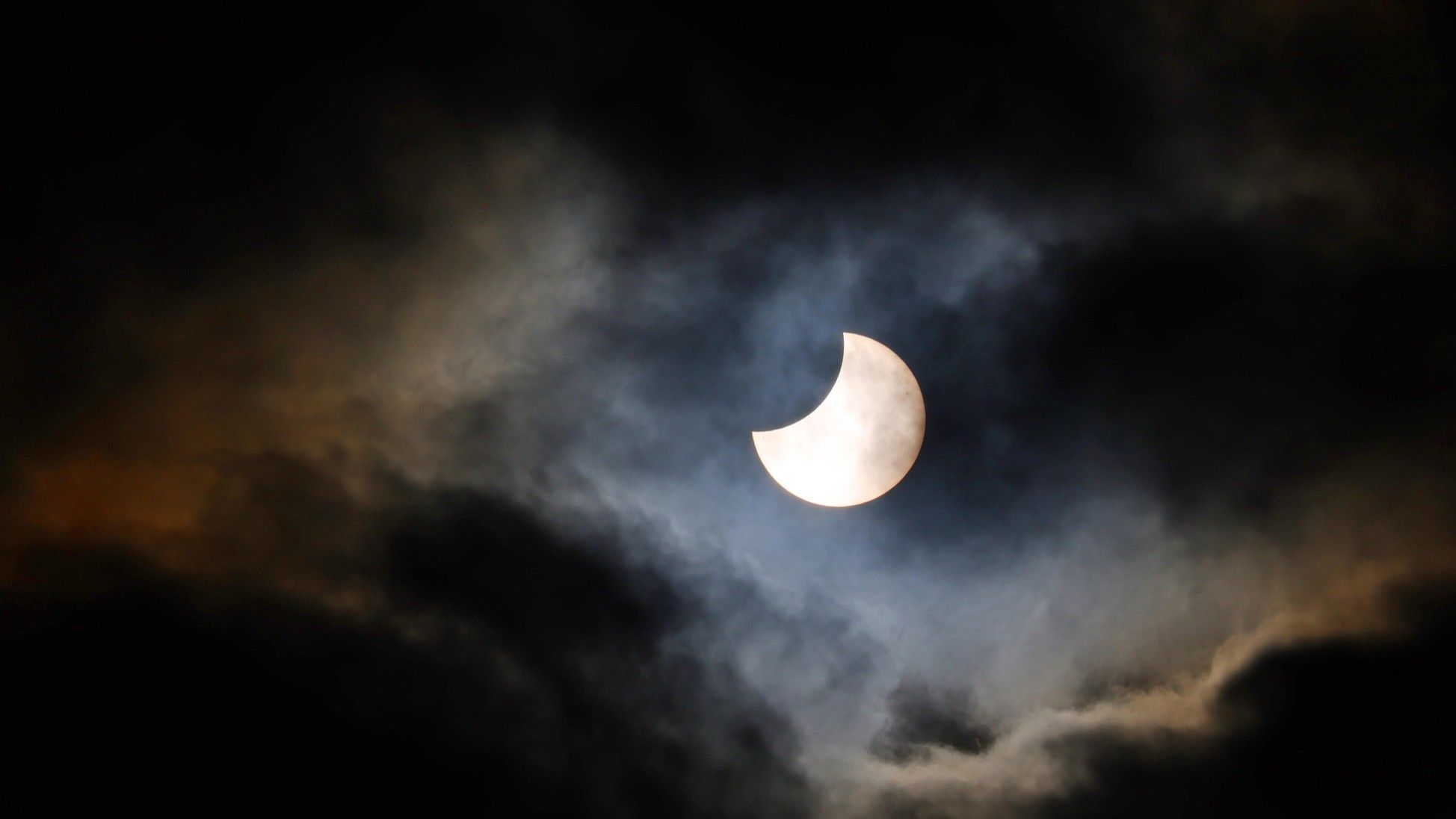
On August 12, 2026, skywatchers across North America will witness a partial solar eclipse as the Moon passes between Earth and the Sun. While Europe experiences a total eclipse, North American viewers can catch regional partial phases, accompanied by a simultaneous six-planet alignment and the peak of the Perseid meteor shower.
Celestial calendars are clearing space for a convergence of astronomical events on August 12, 2026. While the path of totality for the main solar event crosses Greenland, Iceland, Spain, and small parts of Portugal, millions of residents across North America will still experience a partial solar phase as the Moon takes a bite out of the sun. Rather than plunging communities into midday darkness, this partial alignment will transform the sun into a bright crescent or a daytime smile for observers positioned across twenty U.S. states and every Canadian province.
Viewing Times and Visibility Across U.S. and Canadian Cities
Visibility and timing will vary significantly depending on geographic coordinates. Viewers situated farther north and east will catch a deeper eclipse phase. Across the United States, timing spans from early morning hours in Alaska to midday and afternoon slots in the Northeast. Fairbanks, Alaska will see a 37% maximum eclipse at 8:27 a.m. AKDT, while northeastern hubs experience the spectacle around lunchtime and into the early afternoon. In Maine, Presque Isle reaches 28% coverage at 1:50 p.m. EDT, and Portland records 19% coverage at 1:53 p.m. EDT. Down the coast, Boston hits 16% at 1:55 p.m. EDT, while New York City experiences a modest 10% maximum coverage at 1:54 p.m. EDT, tapering down to single-digit percentages in parts of Pennsylvania and New Jersey.
Canada enjoys broader and deeper coverage. Iqaluit, Nunavut leads the continent with a 61% maximum eclipse at 1:24 p.m. EDT, followed by St. John’s, Newfoundland and Labrador at 53% coverage during the mid-afternoon. Moncton and Halifax will see roughly 31% to 32% obstruction, while Quebec City records 24% at 1:46 p.m. EDT. Major urban centers further west, including Toronto and Windsor, will watch smaller partial phases ranging from 8% down to 3% coverage.
Safety Mandates and Equipment Requirements for North American Observers
Because the Sun is never entirely obscured anywhere on the North American continent during this celestial alignment, safety guidelines remain strict. Astronomy outlets emphasize that direct viewing without proper gear is hazardous. Safety experts state that during a partial solar eclipse, it is NEVER safe to look directly at the sun without solar eclipse glasses designed for solar viewing
. Observers must utilize certified equipment adhering to international safety standards. Regular sunglasses offer no protection, regardless of tint darkness.
For those using optical instruments such as binoculars, telescopes, or cameras, an approved solar filter must be fitted securely to the front of the optics before observation begins.
A Confluence of Celestial Phenomena on August 12
The solar eclipse shares the calendar with several other major astronomical occurrences. International astronomy trackers highlight an early-morning planetary alignment involving six planets—Jupiter, Mercury, Mars, Uranus, Saturn, and Neptue—visible before sunrise. While Mars and Saturn appear brightly to the naked eye, observers tracking Uranus and Neptue will require binoculars and telescopes.
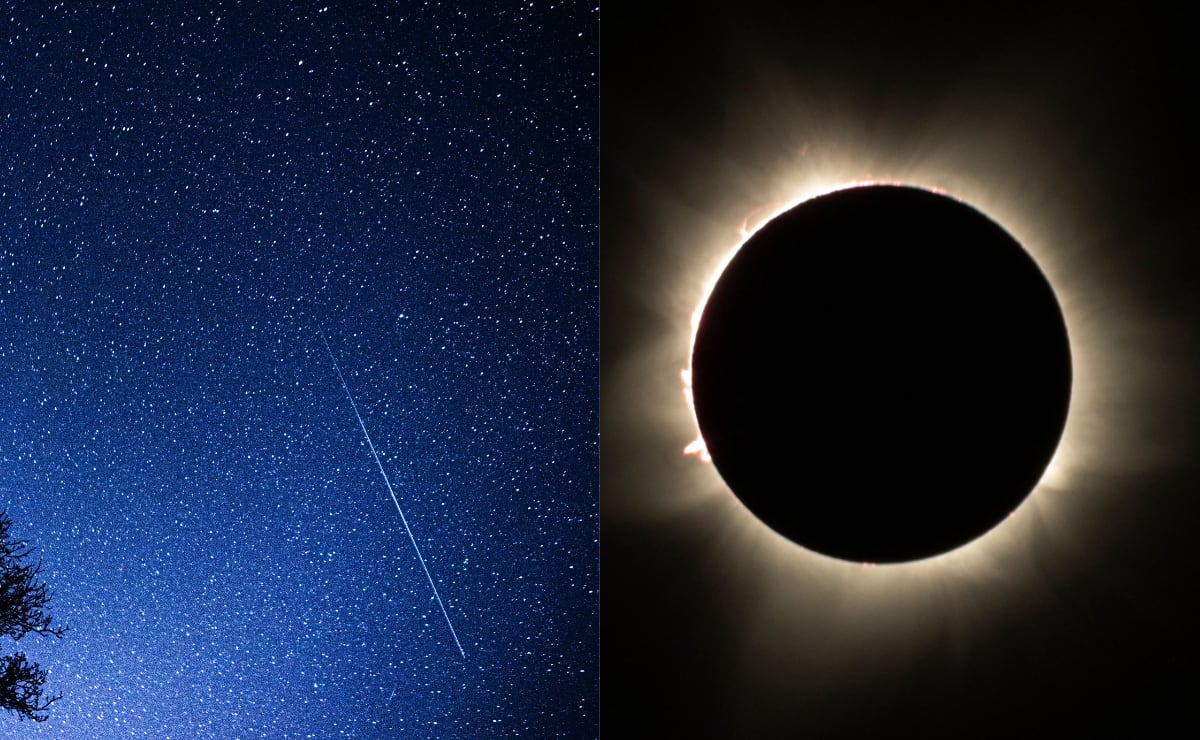
Additionally, the Luna Nueva de agosto occurs on the exact same date, creating optimal dark-sky conditions for the peak of the Perseid meteor shower during the night of August 12 into August 13. The lack of lunar illumination will enhance meteor visibility across the Northern Hemisphere. For audiences unable to travel to the path of totality in Europe or catch favorable local weather, space agencies including NASA plan comprehensive digital coverage, streaming the total eclipse live across multiple online platforms starting late morning.
Worth a look