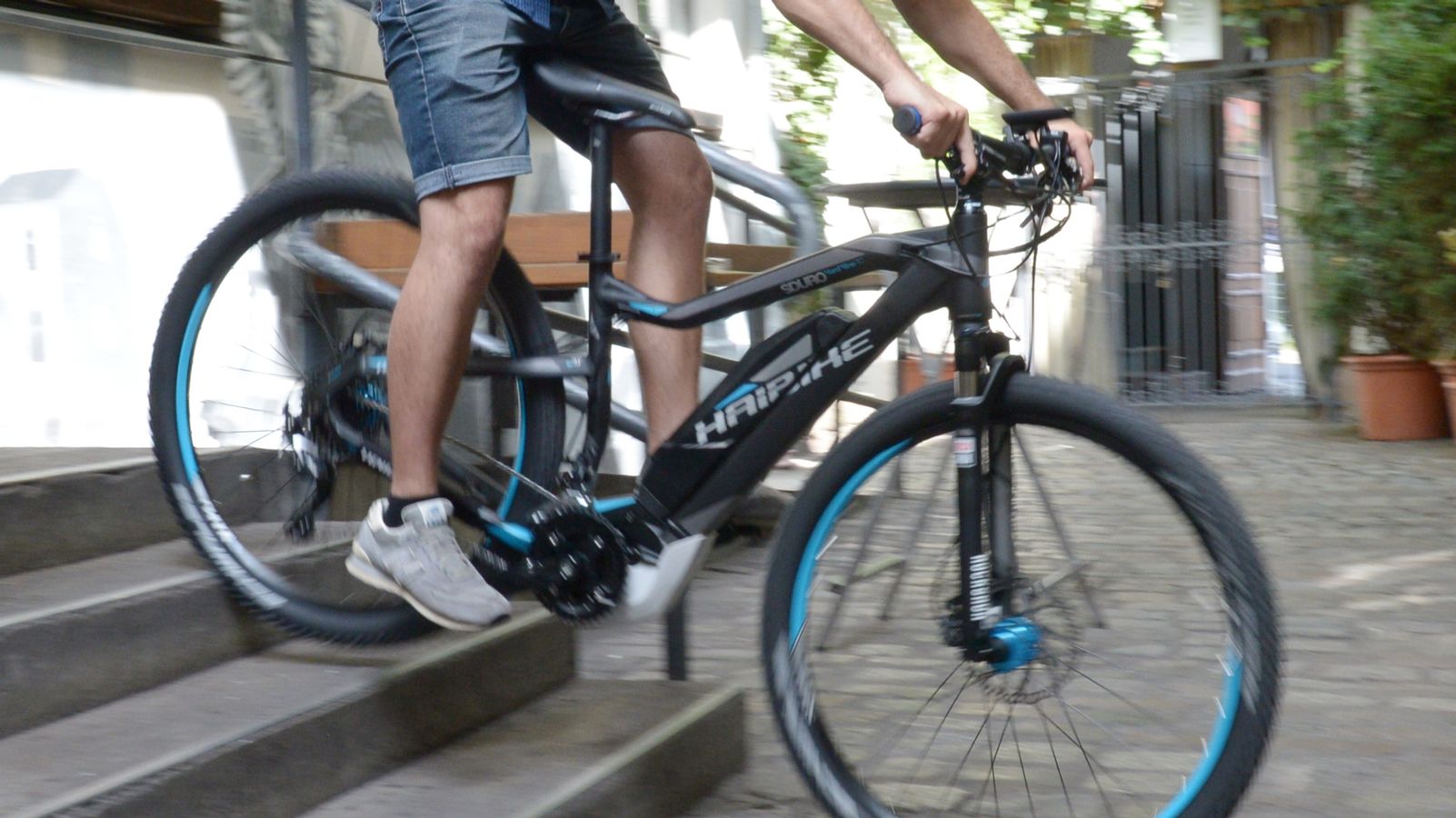
The post-pandemic bicycle boom has fundamentally shifted, leaving German cycling brands like Winora, Haibike, and Ghost facing severe market corrections, overstocked inventories, and plunging demand. As consumer spending cools and warehouse shelves groan under excess inventory accumulated during the COVID-19 pandemic, historic cycling labels are navigating an unforgiving commercial landscape defined by deep discounting and restructuring across the industry.
During the public health crisis, surging interest in outdoor recreation and personal mobility triggered an unprecedented rush for bicycles and electric bikes. Manufacturers and retail networks rushed to secure components and build massive stock reserves to meet surging consumer enthusiasm. However, as supply chains normalized and inflationary pressures reshaped household budgets, that momentum ground to a halt, creating a glut of unsold inventory that continues to pressure traditional manufacturers.
Industry analysts and regional media reports, including extensive coverage by Bayerischer Rundfunk, have highlighted how iconic German brands tied to major parent groups must now adapt to a permanently altered market reality. For companies rooted in traditional manufacturing and regional supply networks, the path forward requires painful structural adjustments, production cutbacks, and strategic shifts to clear warehouse floors without destroying brand equity.
Inventory Glut and the Post-Pandemic Correction
The core challenge facing brands such as Winora and Haibike stems from the extreme mismatch between pandemic-era procurement strategies and current consumer demand. When global supply chains froze during 2020 and 2021, bicycle makers placed massive advance orders for frames, motors, and electronic components to protect against shortages. When those shipments finally arrived en masse, consumer appetite had already contracted due to rising living costs and economic uncertainty.
According to market observations from regional economic reporters, independent bike dealers and major corporate groups alike have spent the past several seasons locked in aggressive clearance sales. Heavy discounting has protected cash flow for struggling retailers, but it has squeezed profit margins across the manufacturing sector. Premium e-bike models and specialized mountain bikes from brands like Ghost now compete in a crowded marketplace where buyers expect steep markdown promotions.
This prolonged clearance cycle has forced parent companies to reevaluate manufacturing footprints and operational footprints across Europe. Winora Group, a fixture of the Franconian cycling scene, along with its sister brands, has had to navigate these turbulent financial waters by scaling back output and focusing heavily on core models that guarantee steady turnover rather than experimental product lines.
Restructuring and Corporate Strategy at Winora, Haibike, and Ghost
For established names under corporate umbrellas—such as the Accell Group, which owns prominent German cycling labels—the market correction has triggered sweeping internal reorganizations. Corporate leaders have prioritized supply chain efficiency, reducing lead times, and integrating digital sales channels to better match factory output with real-time retail data.
Haibike, renowned globally for pioneering sporty electric mountain biking, and Ghost, famous for its performance mountain and gravel platforms, rely heavily on specialty retail partnerships. As regional bicycle shops grapple with high carrying costs and tied-up capital, manufacturers have had to offer flexible terms and marketing support to keep local dealer networks solvent. Industry associations emphasize that maintaining a robust local dealer network remains vital for servicing complex e-bike drive systems, preventing brands from relying solely on direct-to-consumer digital sales.
At the same time, design and engineering teams are focusing on technological refinement rather than sheer volume expansion. Innovations in lightweight motor integration, battery longevity, and sustainable frame production represent the primary avenues through which these heritage brands intend to differentiate themselves from low-cost import competition.
What Lies Ahead for the European Cycling Market
The long-term outlook for traditional German bicycle manufacturers depends heavily on broader macroeconomic recovery and consumer confidence across Europe. While the era of unchecked pandemic growth is definitively over, urban mobility mandates, corporate leasing programs, and the enduring popularity of electric cycling provide a stable foundation for future demand.
Industry stakeholders continue to monitor upcoming financial disclosures and trade fair attendance figures to gauge when retail inventories will finally normalize to pre-crisis levels. Until that balance is fully restored, brands like Winora, Haibike, and Ghost will continue their delicate balancing act between managing legacy stock and investing in next-generation mobility solutions.
Readers interested in further updates on the German manufacturing sector and official corporate restructuring announcements can consult financial filings published via regulatory portals or regional business reporting from public broadcasters such as Bayerischer Rundfunk. Join the conversation below by sharing your thoughts on how local bike shops and manufacturers are adapting to these market changes.
- Nouveaux dentistes à Port-Sainte-Marie : qui remplace le Dr Didier Laurent ?
- Glenmeadow Announces 2026 Age of Excellence Award Honorees
- SK Hynix Massive Investments and Q2 Growth Amid South Korea Market Crash (world-today-news.com)
- ICQ Relaunch: Cult Messenger Returns Amid New Secure Chat Trends (archynewsy.com)