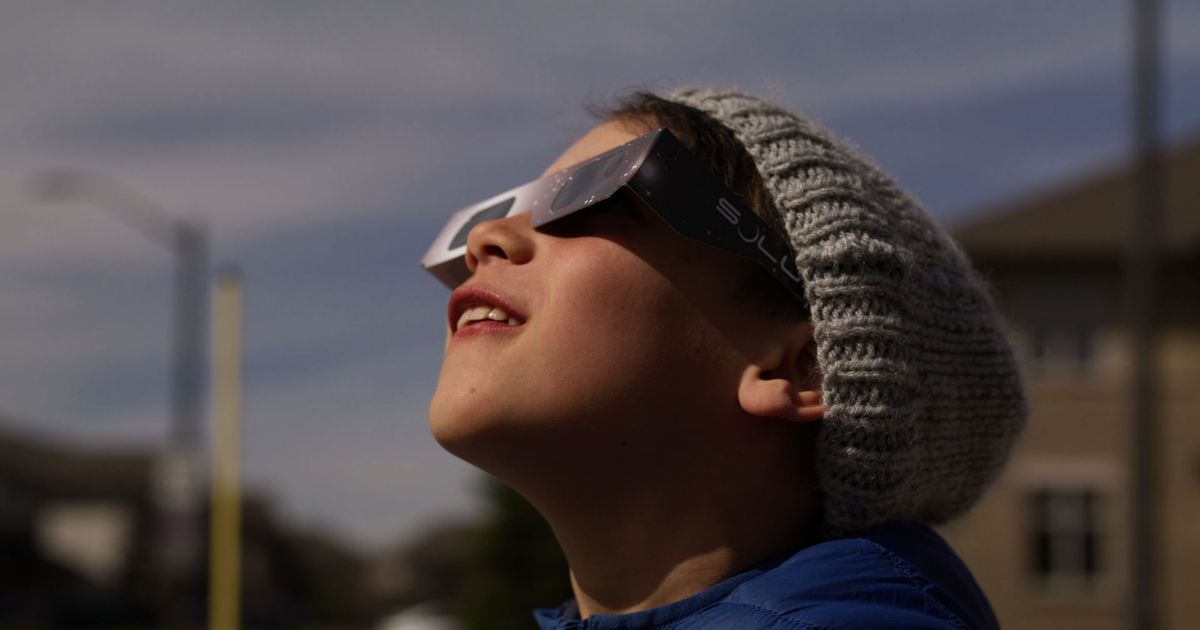
Viewing a solar eclipse requires specialized eye protection, as standard sunglasses do not provide the necessary filtration to prevent permanent retinal damage.
Understanding Safe Solar Observation
Protective eyewear must comply with the ISO 12312-2 international safety standard. These specialized filters block nearly all visible, infrared, and ultraviolet light, allowing only a fraction of a percent of sunlight to reach the eye.
Why Standard Sunglasses Fail
A standard pair of fashion sunglasses typically transmits a significant amount of visible light. In contrast, ISO-certified eclipse glasses are designed to transmit a negligible amount of visible light. Furthermore, standard lenses do not consistently block the high-energy infrared and ultraviolet wavelengths that cause thermal damage to the internal structures of the eye.
Experts consistently warn against using “homemade” filters, including smoked glass, exposed photographic film, or layers of neutral density filters not specifically rated for solar observation. These materials may appear to dim the sun effectively but often remain transparent to invisible, harmful radiation.
Best Practices for Eclipse Viewing
For those planning to observe an eclipse, the most reliable method is the use of handheld solar viewers or eclipse glasses that carry the ISO 12312-2 certification label. Before use, viewers should inspect the lenses for scratches, punctures, or separation from the frames. If the filter is damaged in any way, it must be discarded.
For individuals utilizing optical instruments such as telescopes, binoculars, or cameras, the requirements are more stringent. These devices focus solar energy into a concentrated beam, which can melt standard eclipse glasses and cause instantaneous, catastrophic eye injury. Specialized solar filters must be securely attached to the front (the aperture) of the lens, rather than the eyepiece, to prevent the internal components of the device from heating up.
The Scientific and Cultural Appeal
Solar eclipses continue to draw significant public interest, often prompting large-scale gatherings and travel. The fascination stems from the rare alignment of celestial bodies, which briefly alters the daylight environment and reveals the sun’s corona—an aspect of the star usually hidden by its own glare. For researchers, these events provide a unique opportunity to study the solar atmosphere, while for the public, they offer a tangible connection to orbital mechanics.
As communities prepare for future viewing opportunities, local astronomical societies and science centers remain the best resources for obtaining verified safety information and authorized viewing equipment. Observers should verify that their equipment is purchased from reputable vendors, as counterfeit products lacking proper certification have been identified in the marketplace during previous high-profile celestial events.
For the latest updates regarding eclipse timing, path of totality, and regional visibility, interested observers should consult official bulletins from national space agencies or local astronomical observatories. Monitoring these channels ensures that viewers are informed of the most current safety protocols and timing specific to their geographical location.
Have you secured your ISO-certified eyewear for the next celestial event? Share your plans and questions in the comments below.
Related reading